Posted on April 6, 2020 by Serbian Animals Voice (SAV)
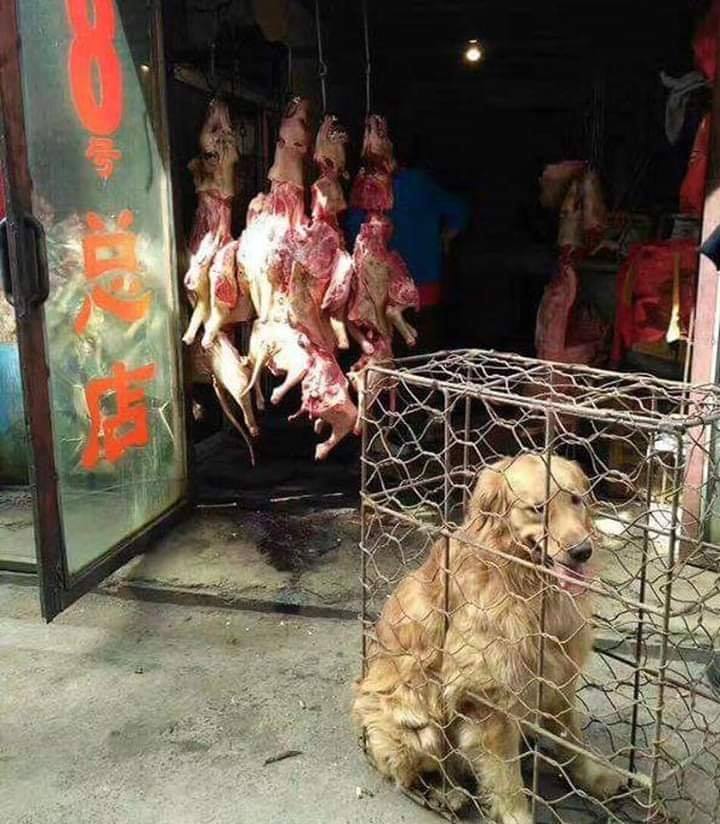
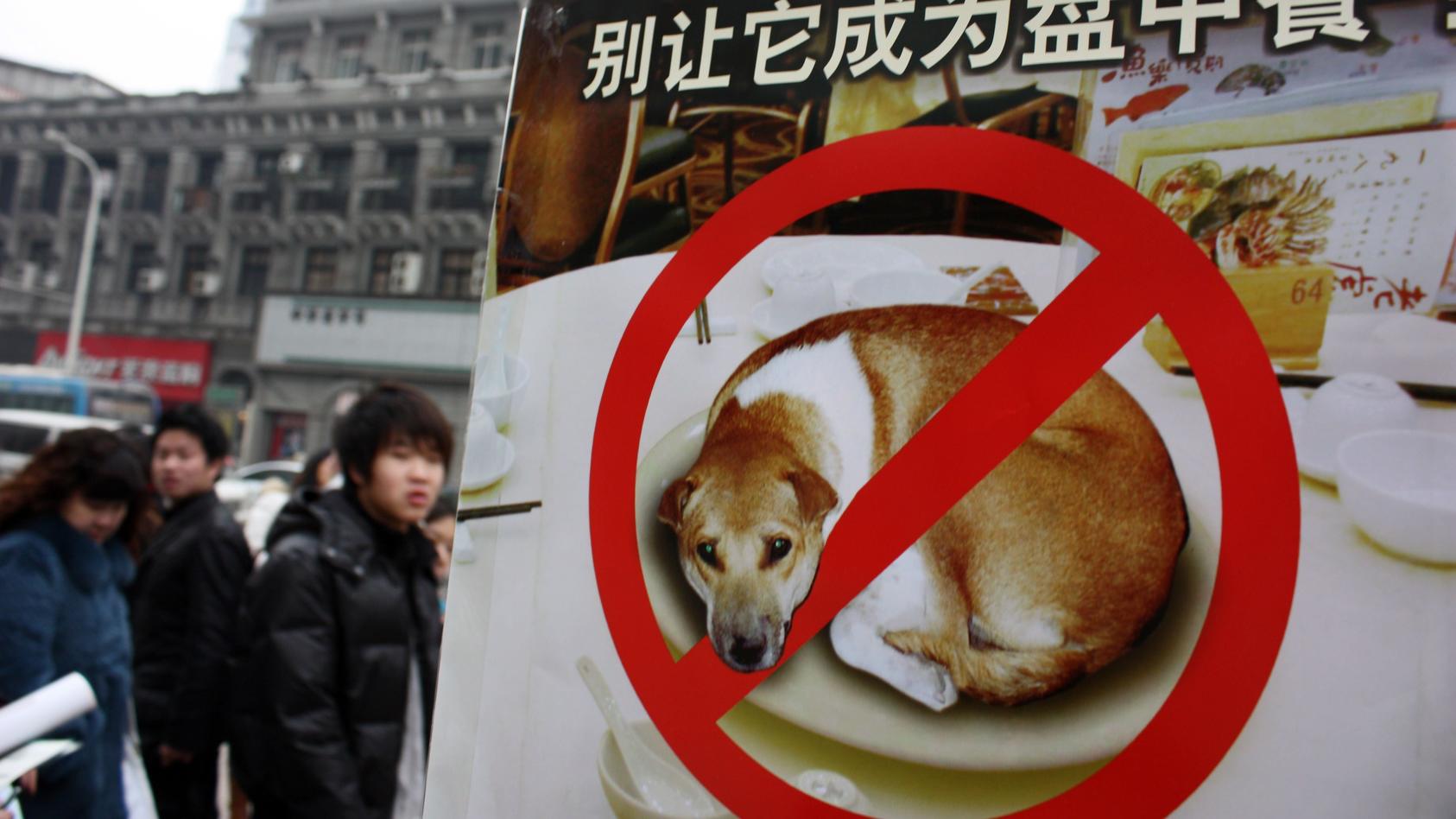
Finally good news in the Corona crisis! Thethe city metropolis of Shenzhen will ban the trade and consumption of wild animals and pets. Dogs, cats, snakes, etc. can then no longer be sold, slaughtered and bred for consumption.

The Chinese city of Shenzhen has passed a law that prohibits the production and consumption of cat and dog meat. This makes Shenzhen the first city in mainland China to prohibit eating pets.
The law is due to enter into force on May 1, 2020.
And: It also applies to the trade and consumption of wild animals such as snakes and lizards. Anyone who violates this can expect fines of up to EUR 19,600.
Trade in wild animals is currently banned throughout China – but only temporarily. The law in Shenzhen should now apply without time restrictions.
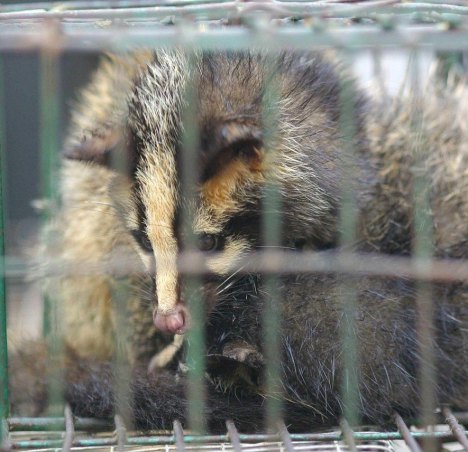
The government is thereby reacting to the coronavirus outbreak, which according to current estimates is said to have passed from animals to humans in a wild animal market in Wuhan, China.
Nevertheless, the law in Shenzhen includes not only wild animals, but also pets.
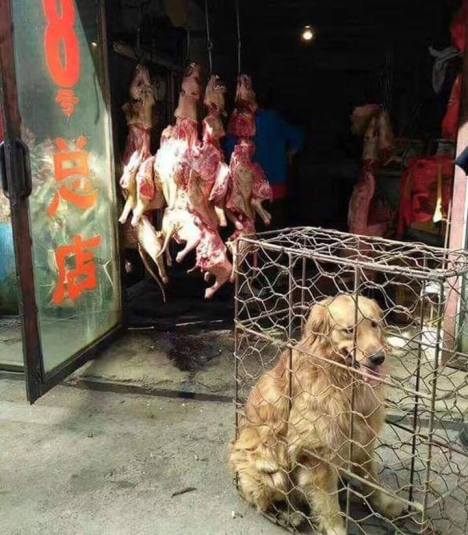
In an announcement, a city spokesman said: “Dogs and cats have a much closer bond to humans as pets than other animals. In developed countries, Hong Kong and Taiwan, it is normal to ban dogs, cats and other pets. This prohibition also corresponds to the demands and spirit of human civilization. “
Of course pork, beef, sheep, rabbits, poultry and other animals that are specially bred for consumption may continue to be eaten (!!)
Animal welfare organizations such as the Humane Society International or the Animal Hope & Wellness eV association welcome the decision. They hope that the fifth largest city in China will have a domino effect and other regions will follow suit.
In China, it is estimated that around ten million dogs and four million cats are killed each year for meat trading and consumption.
Contrary to Western prejudice, eating dogs and cats in China is anything but normal. In Beijing, for example, there is hardly a restaurant that offers such meat.
According to surveys, only a minority of Chinese have eaten dog meat at all.
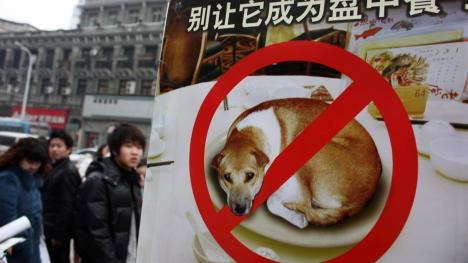
And I mean…It is a very welcome decision by the Chinese to stop killing dogs and cats for consumption.
Every step that leads to the abolition of cruelty to animals is a step towards more justice, everywhere!
Abolishing wildlife trade and consumption has always been our vision. China confirms our long struggle in this direction today.
However, animal rights are not restricted goods.
If we want fair conditions in animal life, the abolition of meat consumption should not preserve privileged and unprivileged animals, but should aim at ALL animal species.
Otherwise, the animal rights movement runs the risk of being satisfied with a result that frees some from suffering and legalizes the suffering of others.
If we want to do our job properly and well, we must continue the struggle for the liberation of ALL animals from the slavery, which has been legalized and established by a fascist regime, the regime of the human species.
My best regards to all, Venus
Filed under: GENERAL NEWS - International / National / Regional | Leave a comment »
Posted on April 5, 2020 by Serbian Animals Voice (SAV)
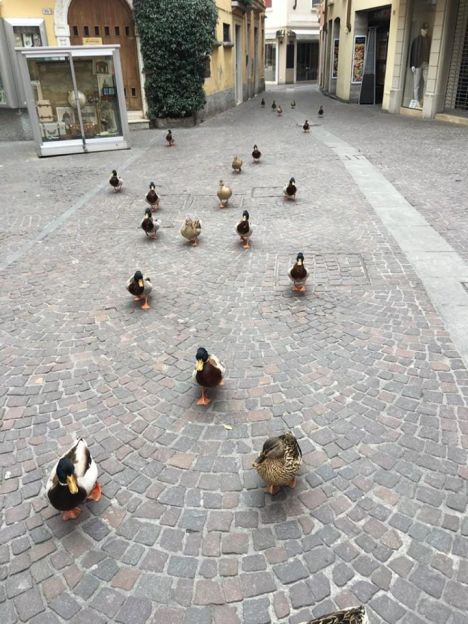
All over the world recognize animals
That there aren’t many people around
And enjoy it ..
That the planet’s pandemic is locked up 🤗
Regards and good night from Venus
Filed under: GENERAL NEWS - International / National / Regional | Leave a comment »
Posted on April 5, 2020 by Serbian Animals Voice (SAV)
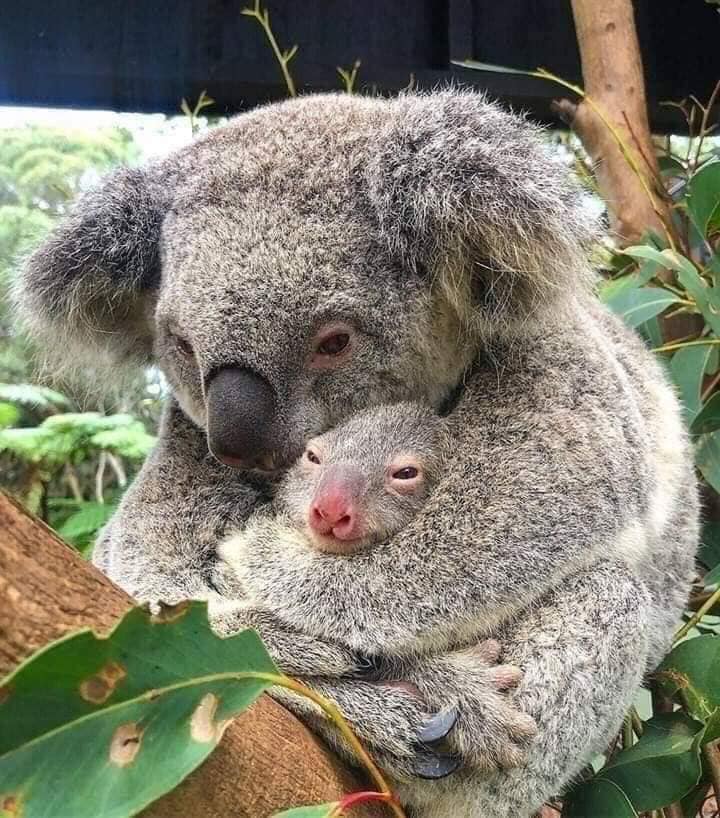
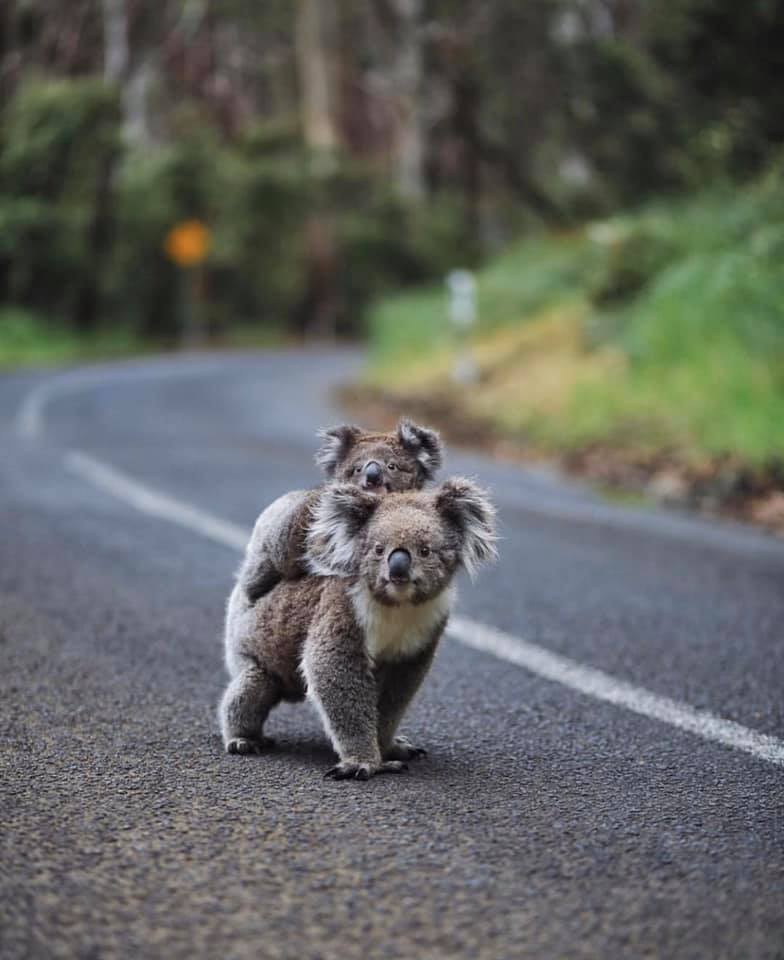
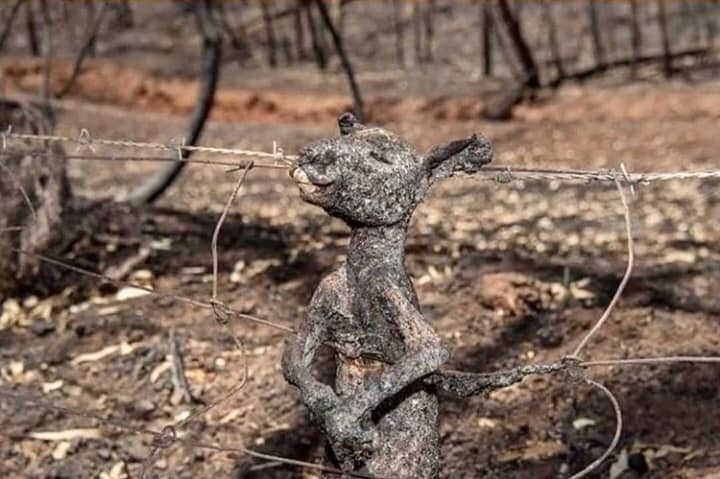
A mere month after the bushfires that devastated much of Australia have been contained, a logging company in the state of New South Wales (NSW) has continued to deforest what was left unburnt.

This is the same NSW that lost close to a third of its koala population to the blazes, while 24% of all koala habitat was turned to ash.
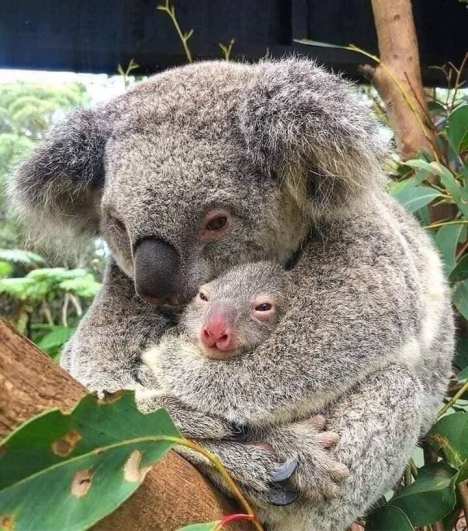
Because the assessment of the bushfires’ environmental impact has not yet been completed, we have no idea just how bad it is.
But one thing is sure: logging will only hurt more and should not be allowed to continue until we know the extent of the damage. We could lose entire species forever.
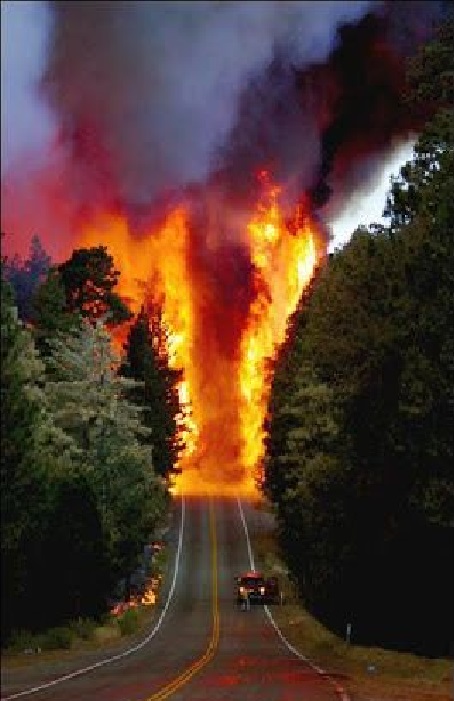
But the Environment Protection Authority (EPA) of NSW says that the logging company, called Forestry Corporation, is not in violation of the logging laws in the state.
That’s why we must demand that the government of NSW temporarily suspend the Coastal Integrated Forestry Operations Approval (IFOA), the state’s logging laws, until the fires’ impacts have been completely assessed.
Sign the petition today!
The devastation that Australia’s koala population suffered was broadcast around the world. It is hard to forget the videos of koalas running from fires, their fur often singed or filled with smoke, as brave witnesses spring into action with blankets and water bottles.
But they are not the only species in trouble.
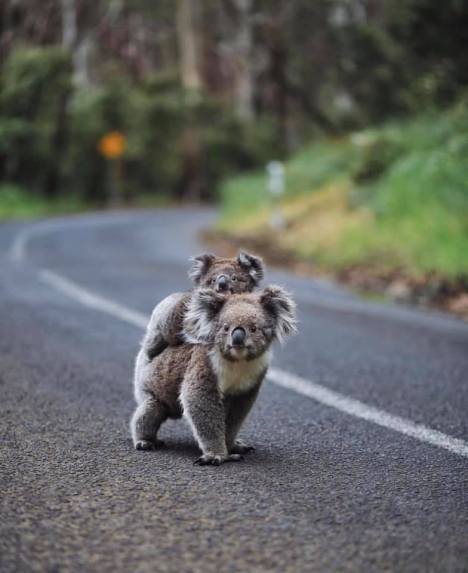
In fact, the Department of Agriculture, Water, and the Environment released a list of 119 species that they considered in urgent need of aid post-fires. One of the ways a species lands a spot on this list is if a large portion of its habitat was taken in the fires.
One such species is the Hastings River mouse, whose habitat burned down to just 18% of its original size. Yet some of the unburnt sites that Forestry Corporation has been logging serve as important remnant habitat for the displaced and devastated mouse population.
Forestry Corporation had been granted clearance to log in burnt areas of the state’s forests, where animals cannot live but timber can still be salvaged.
But instead they continued to log in patches of thriving forest, including areas within the proposed Great Koala national park.
Australia must step up to protect its native animal populations.
244 species found on the continent do not appear anywhere else in the world, and therefore must be protected at all costs. If logging companies are allowed to conduct business as usual without a complete fire impact assessment informing operations, we risk losing these animals forever.
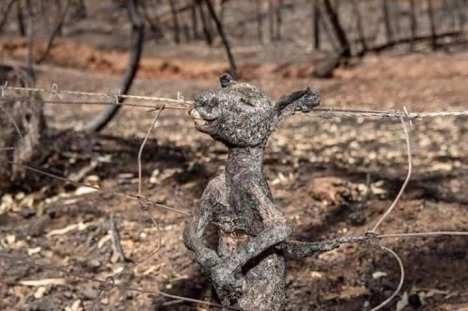
But there is still time to save them!
Add your name to the petition asking the state government of NSW to suspend the Coastal IFOA until all impact assessments of this season’s bushfires are complete.
And I mean…the human animal does not have the least biological value on this planet, there is absolutely nothing that it can give to nature, it lacks any competence for it …
with everything it does, it only destroys nature and animal life.
And something like that is called “intelligent” … it is by far the stupidest, most perfidious and most hideous being on earth …
It is not part of nature at all, it is excluded from nature.
My best regards to all, Venus
Filed under: GENERAL NEWS - International / National / Regional | Leave a comment »
Posted on April 5, 2020 by Serbian Animals Voice (SAV)
The level to which humans feel they can exploit, commodify, abuse and subjugate other animals holds no bounds.
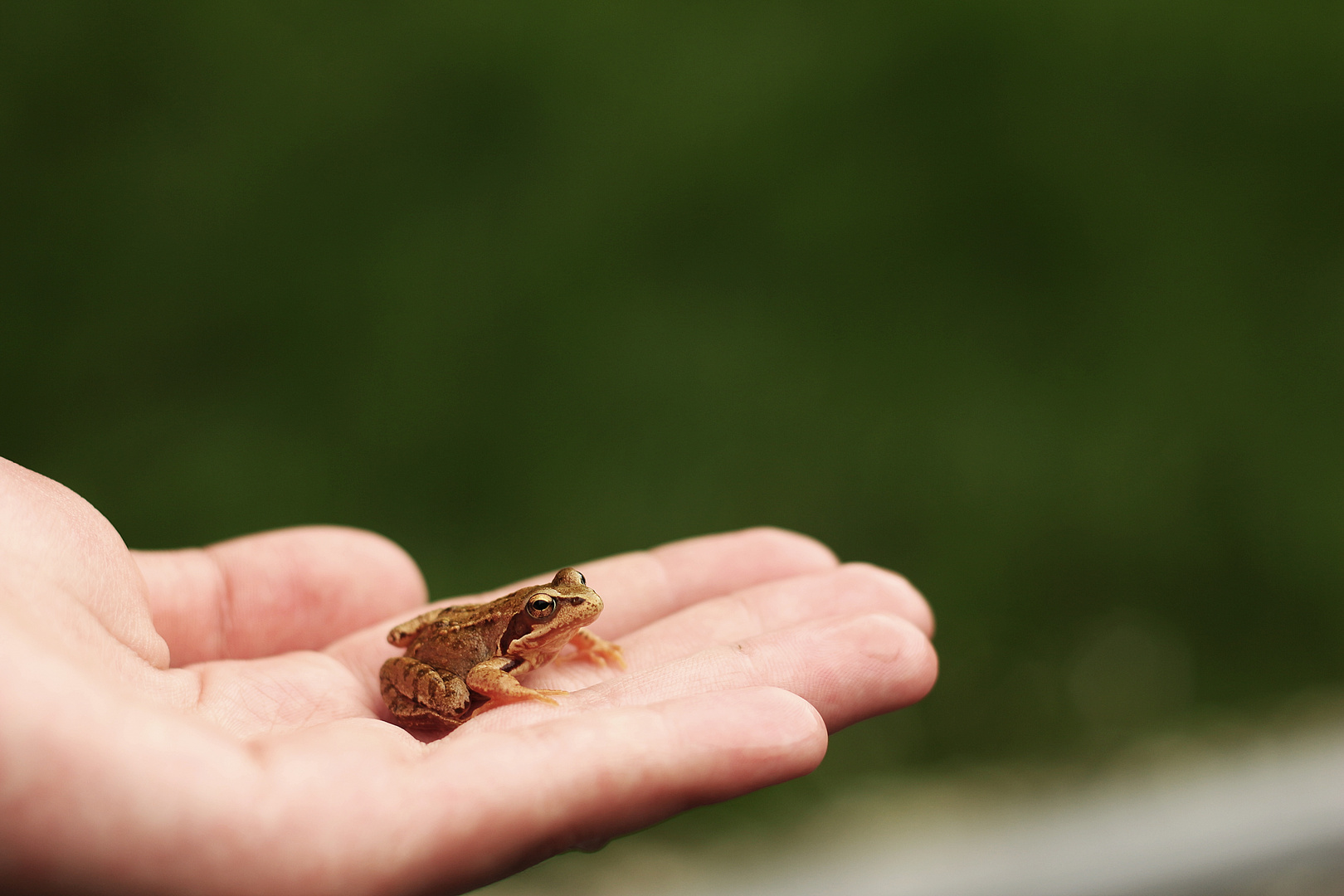
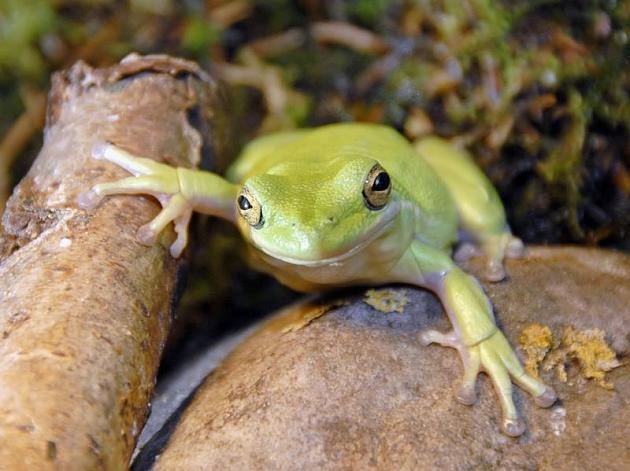
Frog farming, like all other types of animal farming, occurs in nothing more than the name of tradition and taste.
Farmed frogs are shipped alive to restaurant kitchens, where they will be murdered by the chef before each meal.
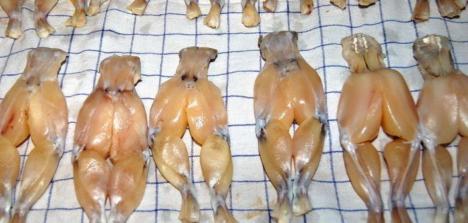
The standard restaurant method of killing frogs is via the victim being held down, and then the point of a knife being stabbed through the top of the frog’s head, followed by a slice down through the face until the victim’s head is split in half.
Other methods include bludgeoning the frog by slamming them and then decapitating them with a cleaver. At street food stalls, frogs are sometimes skinned alive, chopped into pieces, and thrown while still wriggling into hot soup as a “delicacy”.
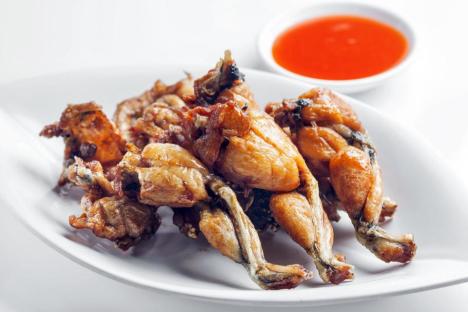
This psychotic behaviour from humans is UNJUSTIFIABLE.
My comment: In the area of animal protection / species protection there are topics that only trigger a weary yawn in public.
“What? Eat frog thighs? That was once an issue in the 1970s”, many think, and this opinion is quite wrong.
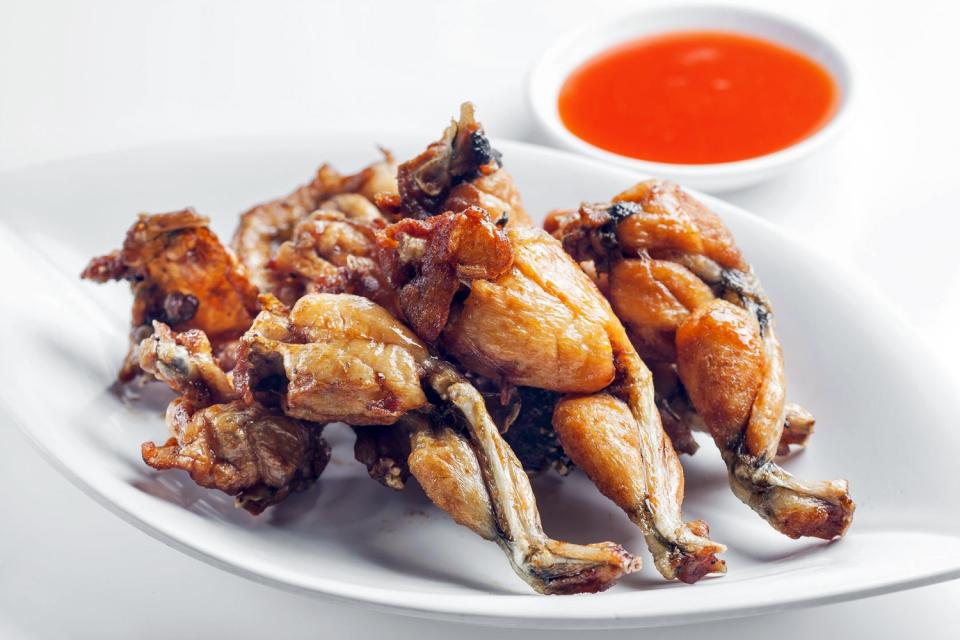
It is frightening how many places in Germany meanwhile frog legs are sold and prepared and eaten in bars.
While we are organizing campaigns in spring to save frogs and toads during the annual amphibian migrations, these are consumed in the restaurant next door!

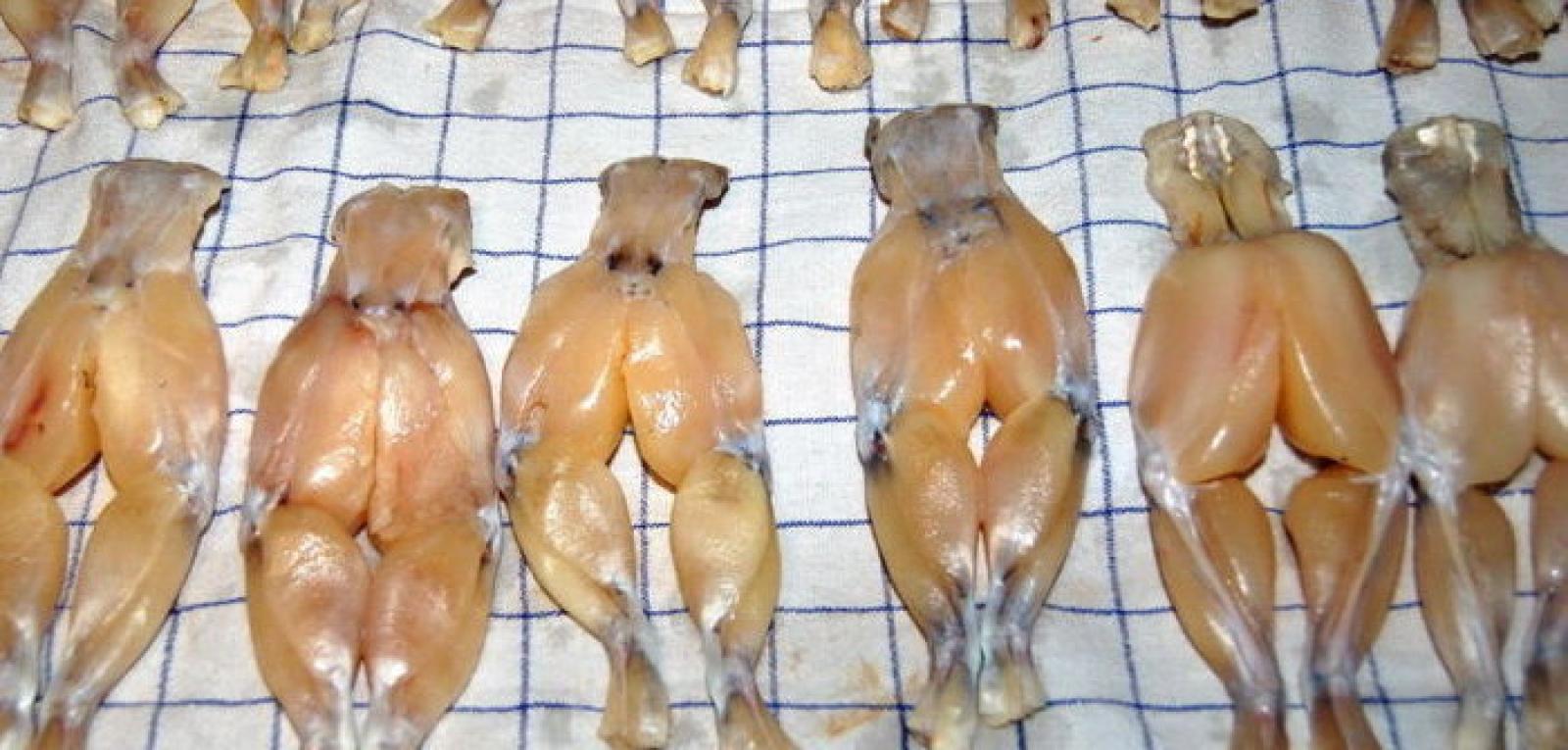
In 2015, the European Union imported 4,234 tons of frog legs – which corresponds to the limbs of between 84 and 200 million frogs writes Deutsche Welle and reports:
“After India and Bangladesh banned the export of frogs in 1987 and 1989, Indonesia became the main exporter. Today, more than two-thirds of all frog legs in supermarkets worldwide come from there. For many years, conservationists have been warning that trade cannot be sustainable. And it goes even further: According to a new study, many frog legs are wrongly identified”
With the “frog leg harvest” the extremities from the frogs are usually separated from the body while the body is alive.
Many of the imported frog legs still come from wild catches.
This reduces the endangered animal species and increases the risk of malaria at the same time.
Frogs in particular help prevent the spread of this infectious disease.
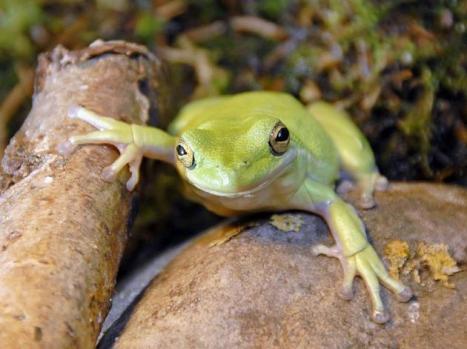
Eating frog legs is not just cruelty to animals, it also endangers human life.
More than 700 amphibian species are affected by an aggressive fungal infection worldwide, many of which have already died out.
This is to blame for a deadly mushroom epidemic called chytrid, one of the most important causes of global amphibian death.
Since the 1980s at the latest, this pathogen has carried tons of frogs, toads and newts – initially only in Latin America and Australia, but now all over the world.
One of the central causes for the spread of the chytrid mushroom is the worldwide trade in frogs …
The import of frog legs to Germany and Europe is a legalized form of animal cruelty and an exploitation of poor countries like Indonesia.
A particular scandal is the uncontrolled import of wild catch, which endangers not only endangered species, but also the rural population if the lack of frogs increases the risk of malaria.
And with it the risk of the next pandemic ..
My best regards to all, Venus
Filed under: GENERAL NEWS - International / National / Regional | Leave a comment »
Posted on April 5, 2020 by Serbian Animals Voice (SAV)
Less than a month after taking steps to permanently ban the trade and consumption of live wild animals for food, the Chinese government has recommended using Tan Re Qing, an injection containing bear bile, to treat severe and critical COVID-19 cases. It is one of a number of recommended coronavirus treatments—both traditional and Western—on a list published March 4 by China’s National Health Commission, the government body responsible for national health policy. This recommendation highlights what wildlife advocates say is a contradictory approach to wildlife: shutting down the live trade in animals for food on the one hand and promoting the trade in animal parts on the other.
Secreted by the liver and stored in the gallbladder, bile from various species of bears, including Asiatic black bears and brown bears, has been used in traditional Chinese medicine since at least the eighth century. It contains high levels of ursodeoxycholic acid, also known as ursodiol, which is clinically proven to help dissolve gallstones and treat liver disease. Ursodeoxycholic acid has been available as a synthetic drug worldwide for decades.
Traditional Chinese medicine practitioners typically use Tan Re Qing to treat bronchitis and upper respiratory infections. Clifford Steer, a professor at the University of Minnesota in Minneapolis, has studied the medical benefits of ursodeoxycholic acid. He knows of no evidence that bear bile is an effective treatment for the novel coronavirus. But, he says, ursodeoxycholic acid is distinct from other bile acids in its ability to keep cells alive and may alleviate symptoms of COVID-19 because of its anti-inflammatory properties and ability to calm the immune response.
Enacted in 1989, China’s wildlife protection law sees wild animals as a resource to be used for the benefit of humans. In 2016, it was amended to further legitimize the commercial use of wildlife, asserting explicitly that animals can be used for traditional Chinese medicine, Humane Society International’s China policy specialist Peter Li wrote at the time.
Although use of bear bile from captive animals is legal in China, bile from wild bears is banned, as is the import of bear bile from other countries. According to Aron White, wildlife campaigner for the Environmental Investigation Agency (EIA)—a nonprofit based in London, England, that exposes wildlife crimes—his organization learned first about the Chinese government’s recommendations to treat COVID-19 via social media posts from illegal traders.
“We were witnessing how this government recommendation was being coopted by the traffickers to advertise their illegal products as a treatment,” White says. Illegal bile from wild bears is produced in China, he says, and is also imported from wild and captive bears in Laos, Vietnam, and North Korea. The illegal trade persists even though Asiatic black bears, one of the species most commonly farmed for their bile, are protected from international commercial trade under the Convention on International Trade in Endangered Species of Wild Fauna and Flora, which regulates cross-border trade of wildlife and wildlife products.
Wildlife advocates worry that China’s recommended use of Tan Re Qing injections, which contain goat horn powder and extracts from several plants in addition to bear bile powder, will increase the trade in illegal wildlife products and justify animal abuse. “There’s a consistent preference among consumers for the wild product, which is often regarded as more powerful or ‘the real deal,’” White says. “So, having this legal market from captivity doesn’t reduce pressure on the wild populations—it actually just maintains demand that drives poaching.”
At bear bile farms in China and across Southeast Asia, the animals may be kept for decades in small cages. Bile is routinely extracted by inserting a catheter, syringe, or pipe into the gallbladder. All methods for extracting bile are invasive and “cause severe suffering, pain, and infection,” according to Animals Asia, a nonprofit dedicated to ending bear bile farming. Neglect and disease are common on these farms, and consumers risk ingesting bile from sick bears, which may be contaminated with blood, feces, pus, urine, and bacteria, according to Animals Asia.
Another traditional medicine on the National Health Commission’s approved list that could be in demand for use against COVID-19 is a pill called Angong Niuhuang Wan. The remedy, used to treat fever and various diseases, traditionally contains rhino horn, which is strictly banned from global trade. Under Chinese law, the pills must contain buffalo horn, White says, but some traders continue to tout pills containing rhino horn.
Promotion of Tan Re Qing injections and other wildlife-based treatments at a time when Beijing seems intent on shutting down the country’s trade in live wild animals “really speaks to the mixed messages coming out of China at the moment,” White says.
But in China, use of traditional medicine, most of which is plant-based, spans thousands of years and was the primary form of health care until the early 1900s, when the last emperor of the Qing dynasty was overthrown by a Western-trained doctor. Traditional cures are often endorsed by the government as a pillar of Chinese culture, and in 2018, the World Health Organization included traditional medicine diagnoses in its medical compendium. During the coronavirus pandemic, officials have emphasized their use, and 85 percent of COVID-19 patients receive some form of herbal treatment, according to the Ministry of Science and Technology.
China’s National Health Commission did not respond to requests for comment.
Risks to human health
All wildlife farms pose health risks, regardless of whether the animals are being bred for meat or traditional medicine, White says. For example, in both cases, hundreds of wild animals often live crammed together, and people often interact with carcasses.
“Whether [wildlife is] being consumed as meat or as medicine, the risks are still there in how the animals are being slaughtered, gathered and stored, processed, consumed,” White says. If China is closing farms that produce meat from wild animals such as peacocks, porcupines, and boar because they pose a disease risk, White says, “why are they also not looking at farms—you know, bear farms, tiger farms? You have many of the same issues.” Besides, he adds, “the vast majority of traditional Chinese medicine doesn’t contain any wildlife parts. This doesn’t need to be a threat to wildlife.”
When it comes to COVID-19, what we need is clear, says the University of Minnesota’s Clifford Steer. “At the end of the day,” he says, “the world just has to develop a vaccine against this to protect people.”
Filed under: GENERAL NEWS - International / National / Regional | Leave a comment »
Posted on April 5, 2020 by Serbian Animals Voice (SAV)
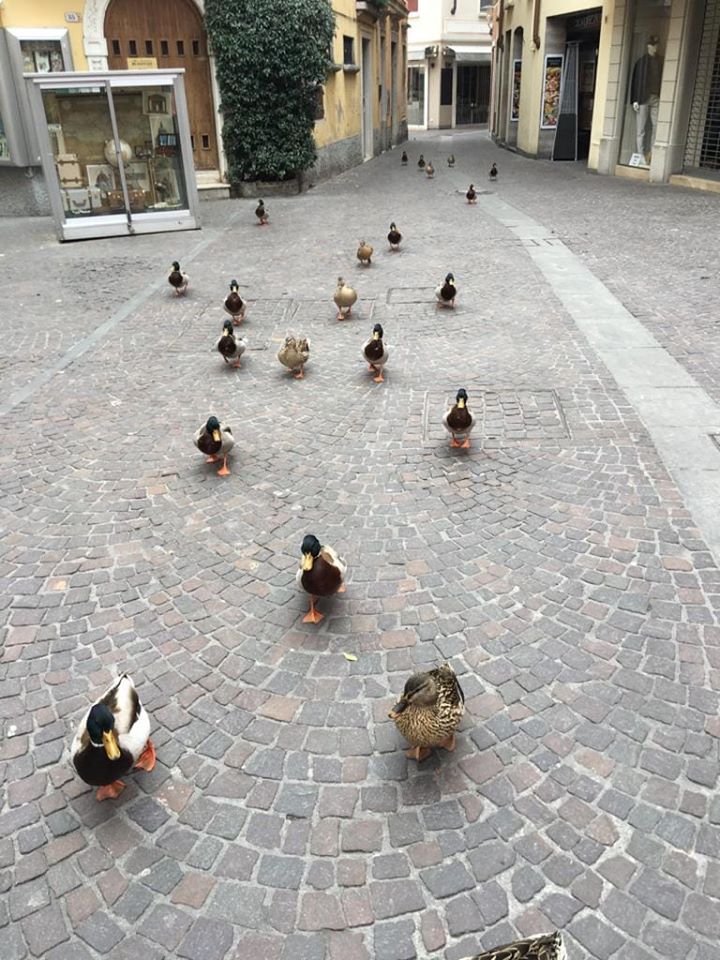
Is there anything better than a walk in spring?
Especially when you are accompanied by pigs, sheep and dogs like in the land of animals! 🐖🐑🐕🚶♂️
No! There’s nothing more beautiful!
For most people it is now compulsory to avoid people.
But early on I preferred the company of animals to that of humans.
Many people suffer because of the communication lock
under conspecifics
They should now learn a meta level of communication.
That of the animals.
My best regards to all, Venus
Filed under: GENERAL NEWS - International / National / Regional | Leave a comment »
Posted on April 4, 2020 by Serbian Animals Voice (SAV)
Coronavirus: Indian street traders ‘risking human health by slaughtering goats, lambs and chickens in squalid conditions’
Exclusive: ‘Wet markets are filthy, nightmarish places and a major threat to human health’
Street traders in India — as well as southeast Asia — are risking starting dangerous diseases like coronavirus by keeping animals for consumption in squalid conditions, an investigation has found.
Goats, lambs and chickens are sold from cramped cages in scenes mirroring those in live animal markets in Wuhan, China, where Covid-19 originated, according to witnesses.
In exclusive footage captured in China, Vietnam and India, animals such as deer, crocodiles, raccoons, cats and dogs can be seen living in filthy conditions, where the investigators said dehydration, starvation and disease were rife.
The videos were taken at “wet” markets — where animals from cats to crocodiles are slaughtered on demand for customers, and people are in constant close contact with animal body parts and bodily fluids, including blood.
Scientists strongly believe it was at such a market where Sars started in 2003-4, and also in Wuhan where Covid-19 virus, which has killed more than 45,000 people worldwide, began.
In February, after the outbreak of coronavirus, the Chinese government temporarily banned the sale of wild animals for consumption, but street traders said they planned to resume as soon as the ban was lifted.
On Wednesday, the city of Shenzhen became the first in the country to permanently to ban the consumption and production of dog, cat and wildlife meat in stores, markets and restaurants.
Investigations by wildlife trade monitoring network Traffic have previously found wet markets in India illegally selling turtles and occasionally parts of other wild species.
Killing chickens on demand at the roadside is common in the country, and animal-welfare campaigners say all types of open-air slaughter pose health risks to humans.
Abigail Penny, executive director of Animal Equality UK, said: “Wet markets are filthy, nightmarish places. The overwhelming fear that these poor animals suffer is unimaginable. But also, time and again wet markets have been the source of dangerous viruses — they are a major threat to human health, there’s no doubt about it.
“It’s not enough to close them temporarily, wet markets need to go once and for all.”
Amruta Ubale, of Animal Equality India, said: “There are some wet markets that are still open in India, while the rest are closed. Many individual meat shops (not situated in markets) are still open and are slaughtering animals like chickens in the shops as they usually do.”
Previous research has found pangolins butchered for their scales, which are then sold on the black market for traditional Asian medicine in India. Pangolins are believed to have been a key carrier of the coronavirus before it passed to humans.
And similar work also uncovered an international trade in monitor lizards for their body parts after the animals are poached in India.
Professor Andrew Cunningham, of the Zoological Society of London, said: “The animals have been transported over large distances and are crammed together into cages. They are stressed and immunosuppressed and excreting whatever pathogens they have in them.
“With people in large numbers in the market and in intimate contact with the body fluids of these animals, you have an ideal mixing bowl for [disease] emergence.”
Dr Ian Lipkin, an infectious disease expert at Columbia University’s Mailman School of Public Health, said: “If you take wild animals and you put them into a market with domestic animals or other animals, where there’s an opportunity for a virus to jump species, you are creating … a superhighway for viruses to go from the wild into people. We can’t tolerate this any more. I want the wild animal markets closed.”
Filed under: GENERAL NEWS - International / National / Regional | 2 Comments »







 Serbian Animals Voice (SAV)