Posted on January 6, 2021 by Serbian Animals Voice (SAV)
By now, you may have heard about palm oil: it’s a substance used in many products as a preservative, appearing in everything from foods to bath soaps.
Unfortunately, the way we farm it is rife with environmental and animal abuses.
That’s why it’s so disheartening to learn that a brand like “Earth Balance” that produces vegan products and claims to be both environmentally and animal friendly actually uses it in their products.

Palm oil is a vegetable oil made from the fruit of an African oil palm tree and it’s the leading cause of orangutan extinction. That’s because these primates’ habitat is being cleared rapidly to make room for palm oil plantations.
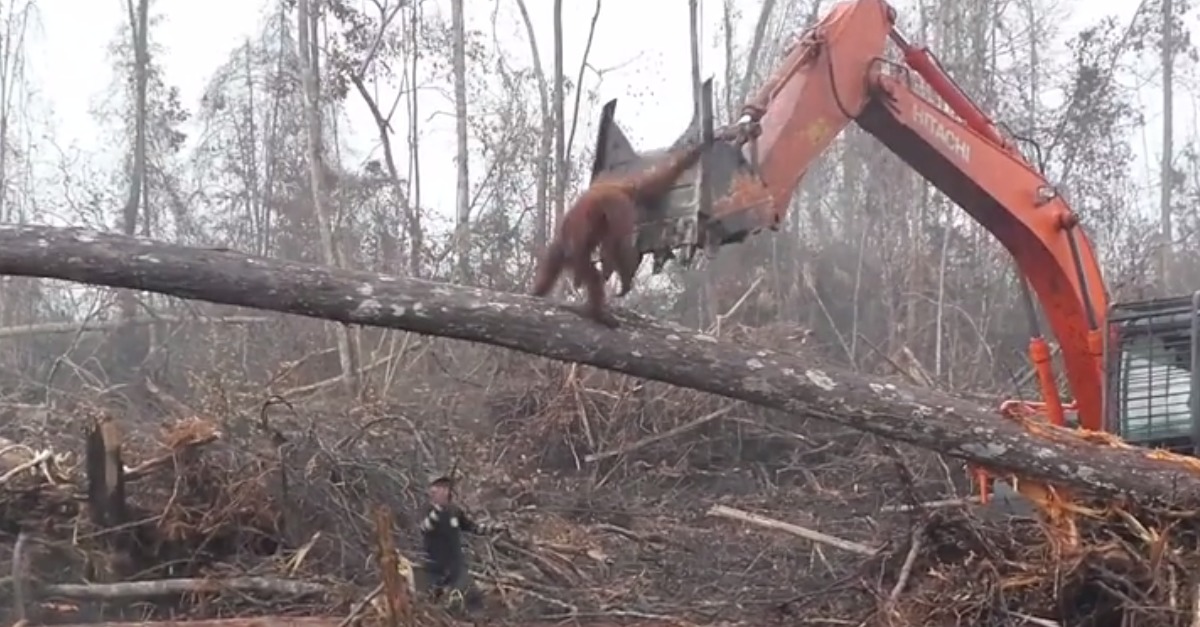
And when their habitat disappears, they are forced into spaces where they come into more conflict with humans and are poached.
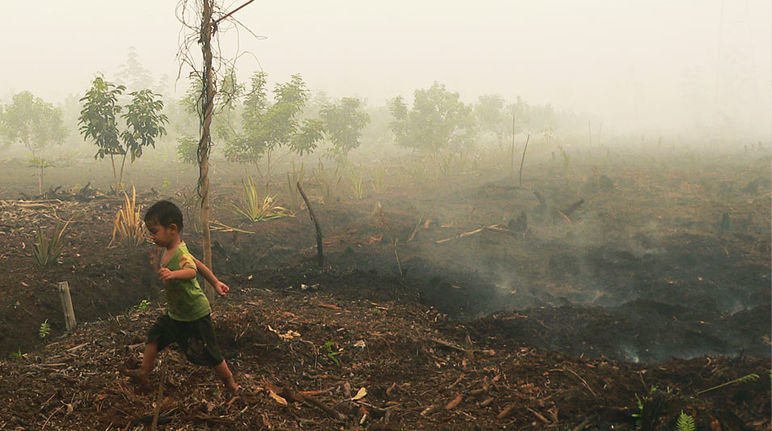
Even worse: farmers often set fire to the orangutans’ forest homes, causing whole animal communities to go up in flames.
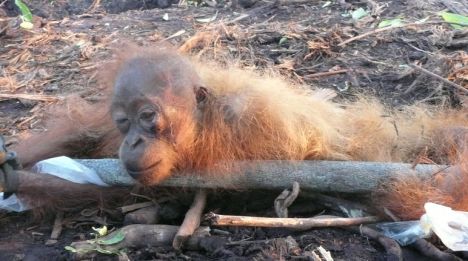
Just in the past few years, wildlife sanctuaries have seen huge increases in the number of horrifically burnt orangutans needing immediate life-saving care.
But not only are orangutans threatened by palm oil plantations, so is the broader environment. The palm oil tree can only grow in extremely humid conditions, but that’s where tropical forests are that act as a carbon sink for us.
Carbon sinks are important because they absorb greenhouse gases from the atmosphere, and when they’re upended, all of that stored carbon is released — making things that much worse.
So every time another forest is bulldozed to plant palm oil trees, we are inching closer to both devastating climate change and the loss of the entire orangutan species!
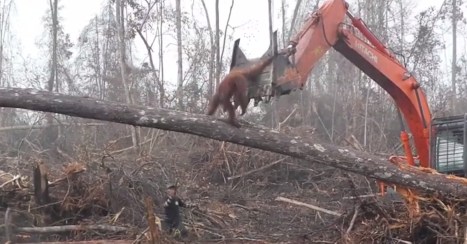 Destroyed forest, destroyed habitat
Palm oil is found in somewhere around 50% of western products. While it’s good for individual consumers to try not to buy products with palm oil, that’s not possible for everyone to practice, nor does everyone know how bad it is to support this industry.
And I mean…We here in Germany regularly contribute to the fact that every year thousands of orangutans die, lose their homes, burn, capture, and even sell as pets.
A study by the Society for international cooperation (GIZ) has shown that Germany imported around 1.3 million tons of palm oil from Indonesia and Malaysia in 2015 alone!!
Wild animals like the Sumatran tiger or the Borneo pygmy elephant are becoming extinct. Maybe someone has lost their home for our chocolate delicacies.
The reason for the suffering and the clearing of the rainforest is palm oil.
Palm oil is the most commonly produced vegetable oil in the world.
Detergents, shampoos, chocolate, sweets, ready meals, and cosmetics – they all mostly contain the raw material of palm fruits.
Many foods, candles, cleaning agents, cosmetics, and even “biofuel” contain palm oil – to be more precise, in every second product in the supermarket.
So our purchase contributes to the destruction of rainforests, habitats for humans and animals, and the worsening of the greenhouse effect.
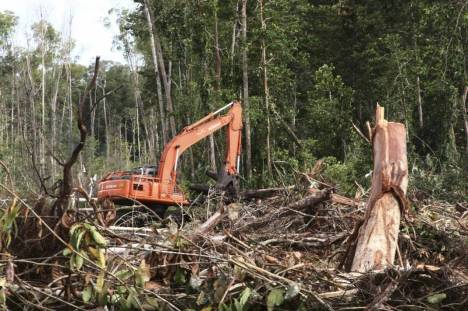
The Tripa peat forest in the Indonesian province of Aceh on Sumatra was once called the global capital of orangutans.
Only an estimated 200 of the great apes now live in the area.
According to estimates by the International Union for Conservation of Nature, IUCN, there are only about 14,600 specimens left in Sumatra.
The message has to be: Don’t choose palm oil, the demand for palm oil has to be drastically reduced, only then is it really possible to stop the clearing of tropical forests.
So we all need to be mindful. When shopping, we have to take the time to pay attention to the ingredients and the fine print.
Preferably buy organic products and products with local oils (e.g. sunflower, rapeseed oil, or olive oil).
Substances such as palmitates, glyceryl, or vegetable oil can be indications of palm oil, which destroys the habitat of orangutans and humans.
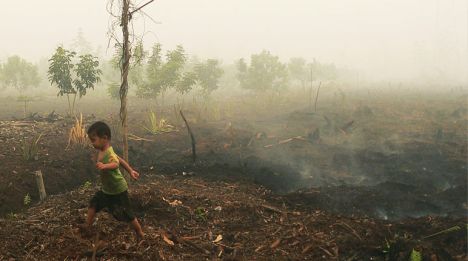
The orangutan is not the last in this chain to lose the desperate fight for survival sooner or later.
Humans themselves (and even here only the self-appointed, civilized part of humanity) will pay in the near future as the trigger and sole beneficiary of the catastrophe.
Sign on the petition if you want Earth Balance to stop using Palm Oil finally!
My best regards to all, Venus
Filed under: GENERAL NEWS - International / National / Regional | Leave a comment »
Posted on January 6, 2021 by Serbian Animals Voice (SAV)
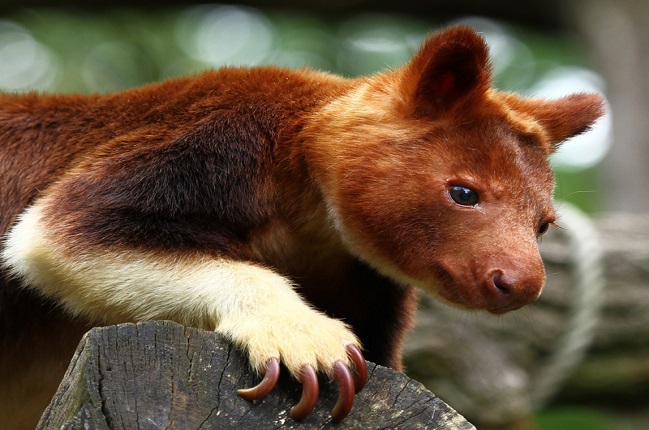
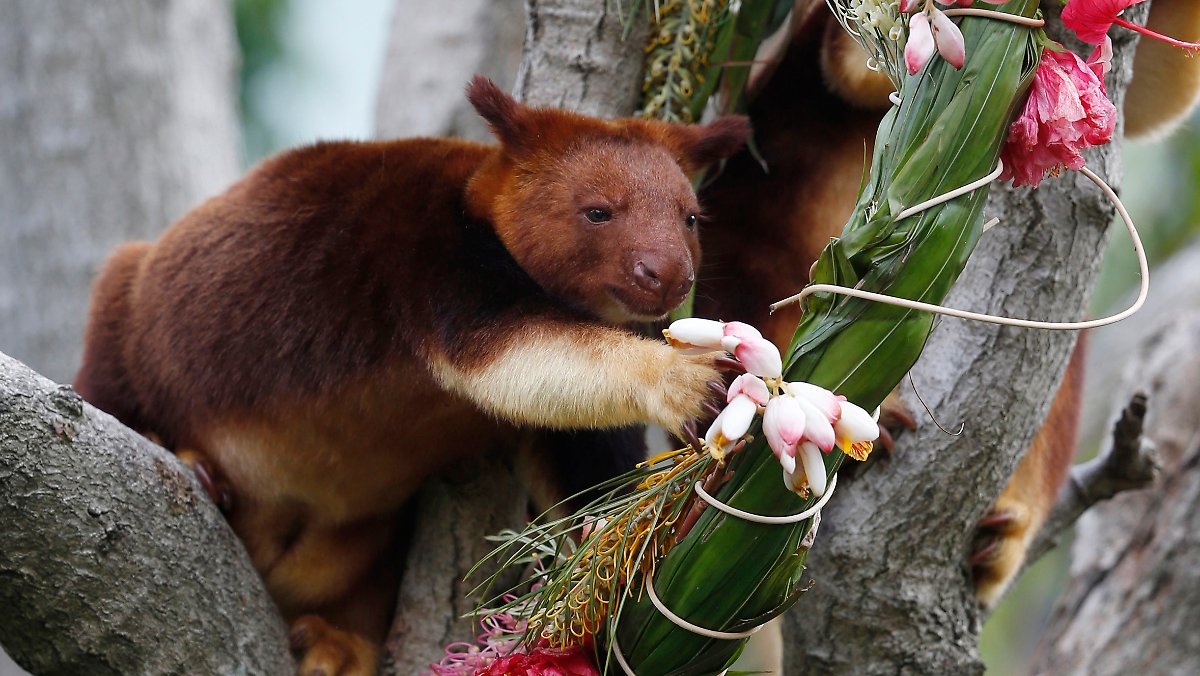
This cute kangaroo is endemic to the Huon Peninsula in northeast New Guinea.
A population on Umboi Island was likely introduced by humans.
The Goodfellow tree kangaroo is a medium-sized, short-tailed tree kangaroo.
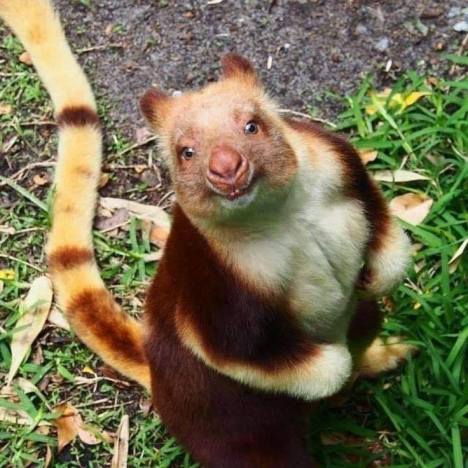
Unlike the kangaroo we know, the fluffy tree kangaroo doesn’t live on the ground, but rather in the high treetops of the rainforests of Australia and New Guinea.
Females reach a head-body length of 51 to 63 cm, males are in most cases 61 to 66 cm larger.
The tail of the females is 45.5 to 68.5 cm long and the male is 55.5 to 62 cm long.
The weight of the animals is between 7 and 10.5 kg.
The fur is dense and rich in contrast.
The basic color is brown, throat, chest, forearms and lower legs, the insides of arms and legs, hands and feet, the tail, the muzzle, and the ears are light yellowish

They have bear-like claws so that they can hold on to the trees. The fur colors also vary depending on the species. There are tree kangaroos with black, gray or gray-brown, red or even white fur.
The animals are solitary, not easy to meet, and inhabit relatively extensive territories, usually over 120 hectares in size.
Overlaps with the territories of other animals of the same sex occur.
Goodfellow tree kangaroos feed primarily on leaves of trees, shrubs, ferns, orchids, and herbs.
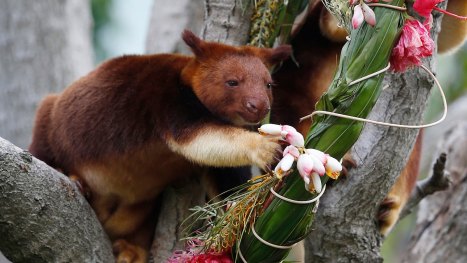
Fruits and flowers are also eaten, but makeup only a small part of the diet.
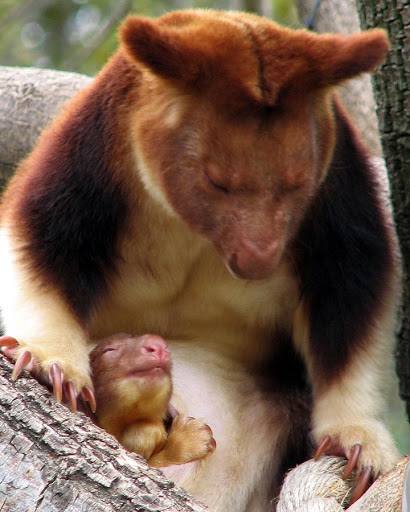
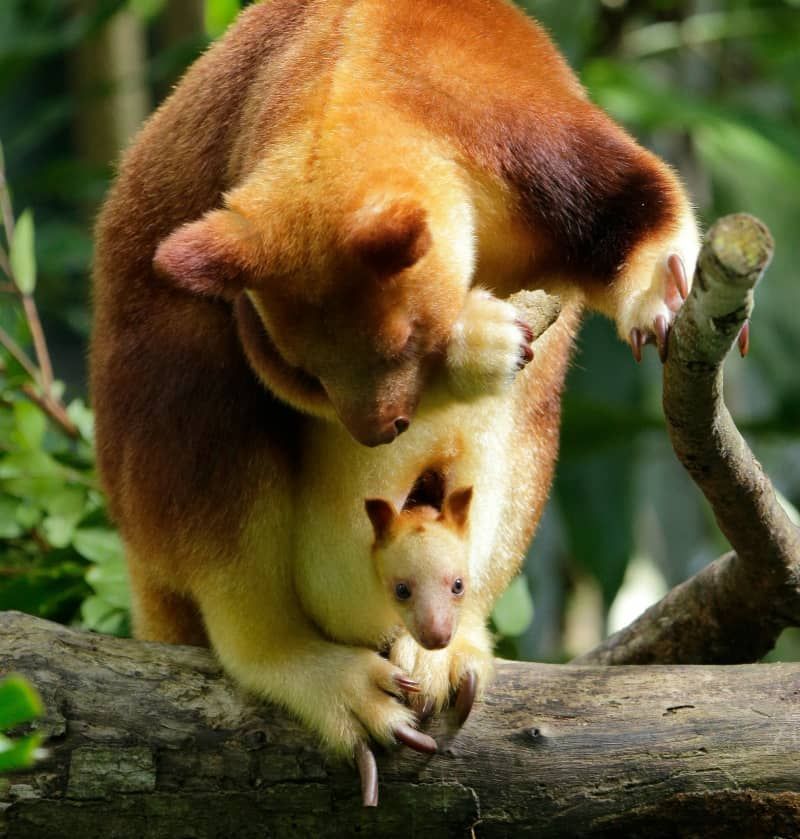
The sexes lead a solitary way of life and only meet briefly to mate. The females have a well-developed pouch that opens upwards.
Inside the bag, there are four teats for suckling the offspring.
After a gestation period of 30 to 40 days, the female gives birth to one or two young animals that are only two centimeters long and weigh one to two grams.

The birth takes place in a sitting position.
The little developed young animals are in the embryonic stage at birth and crawl independently from the birth canal into the pouch and suck on one of the teats.
The young remain in the bag for about six months before they lookout for the first time.
The kittens leave the pouch for the first time at eight months, but keep returning to the pouch.
By the age of ten to twelve months, they are weaned and independent.
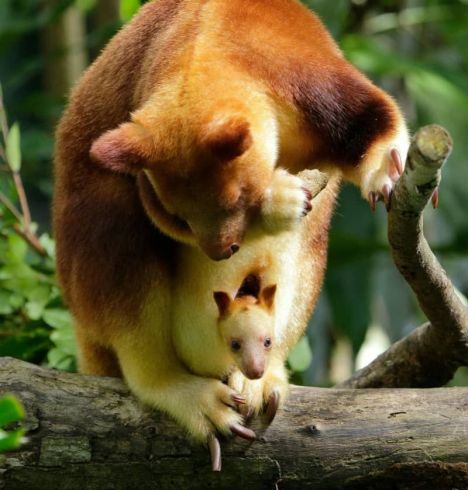
The Goodfellow tree kangaroo is unfortunately threatened because of the heavy hunting of the animals by the local population and the clearing of the forests and is listed as critically endangered in the IUCN Red List.
The total range of the species is less than 14,000 km² and the total number of fully grown individuals is estimated at only 2500 specimens.
The last retreat points are now only in a few reserves in the highland rainforests.
However, it is only a matter of time before these forests will also fall victim to the chainsaws of the wood industry. Goodfellow tree kangaroos are an easy target for poachers, as the animals move slowly and can hardly escape.
And I mean…We are just a somewhat advanced breed of monkeys who have made themselves the only living being with rights through the right to vote, and who can decide about the (hardly existing) rights of animals.
So this brood of monkeys, human species, is no better in any way, but it just took that right away.
One of the worst injustices on the planet is that the human species is getting more and more and the animal species is getting less and less
My best regards to all, Venus
Filed under: GENERAL NEWS - International / National / Regional | Leave a comment »
Posted on January 5, 2021 by Serbian Animals Voice (SAV)
Posted on January 5, 2021 by Serbian Animals Voice (SAV)
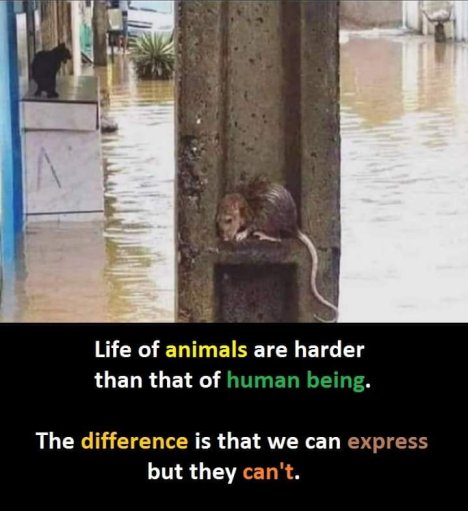
Our neighbors are not just humans
Our neighbors are all beings -Albert Schweitzer
Regards and good night, Venus
Filed under: GENERAL NEWS - International / National / Regional | Leave a comment »
Posted on January 5, 2021 by Serbian Animals Voice (SAV)
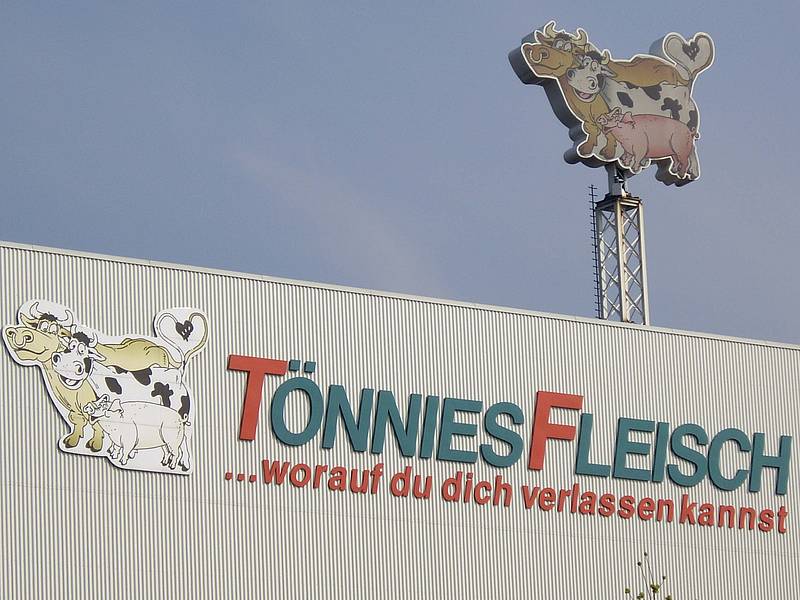
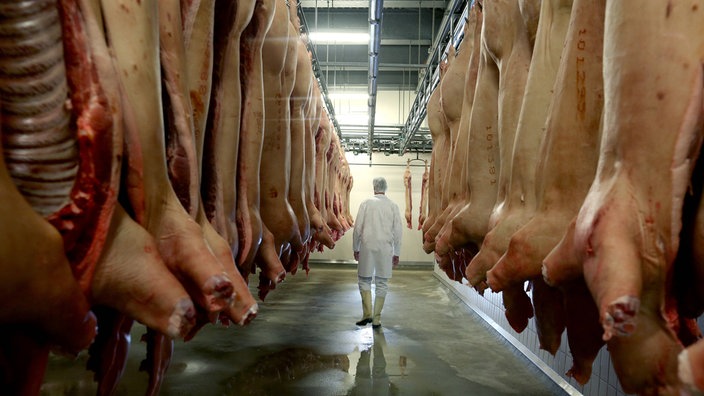
The Tönnies group of companies is building a slaughterhouse in China for up to six million pigs a year.
The company is convinced of growth in Asia.
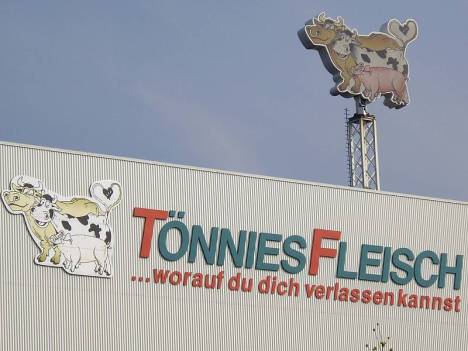
Together with the Dekon Group, a subsidiary of the West Hope Group, the Tönnies slaughterhouse will set up a slaughtering and cutting center for initially two million pigs in the Sichuan region.
In a second step, this can be expanded to up to six million pig slaughterings per year. The corresponding contract was signed by the partners this week.
The joint venture started in September last year with a joint letter of intent between the two companies. Construction and technical implementation should begin in a few months.
The Tönnies group of companies is aiming for its first production site outside of Europe.
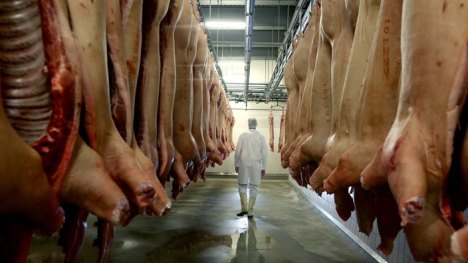 Tönnies: Rheda-Wiedenbrück, Germany
“This joint venture is a milestone for our international development,” said Clemens Tönnies, the managing partner of Tönnies Holding.
Total investment of 500 million euros
For more…athttps://worldanimalsvoice.com/2021/01/05/tonnies-will-slaughter-in-china-in-the-future/
And I mean…Tönnies operates large slaughterhouses abroad, for example in Poland and Denmark, and is Germany’s largest butcher.
He also has plans to build a very modern slaughterhouse in the Spanish province of Aragon.
At least that’s what the Spanish newspaper “Helaldo” reports.
The meat cutting process should be fully automated and supported by robots. Up to 625 pigs could be slaughtered per hour.
That would be 70,000 animals a week. Tönnies wants to invest 75 million euros there and create up to 1,000 jobs.
The slaughterhouse in Aragon has been planned for some time. According to the newspaper, the city council of Calamocha has been in talks with Tönnies for five years (!!!)
At the request of the “Handelsblatt”, the company said the project was still at a very early stage. There is a “Letter of Intent”, the contract planning is still ongoing.
According to “Heraldo”, the meat from Calamocha is to be marketed primarily in Spain and the EU.
Spain has recently become the world’s largest exporter of pork.
The planned meat factory in Spain is to be built by 2024 at the latest
Tönnies’ grand plans in China are not just expansion.
Because of the outbreak of African swine fever in German wild boars, China, an important customer of Tönnies, has stopped importing pork from all over Germany for the time being.
That is why the company wants to build large slaughterhouses in a joint venture with the Dekon Group there.
Everyone who eats meat, regardless of its type and origin, should be ashamed to collaborate in such businesses.
This applies to all meat-eaters… in China, Spain, Germany, Poland, Australia …
For their own enjoyment or profit, they let others do the killing for them and with their consumption, they help animal killers to do the bloody business with animals in the billions.
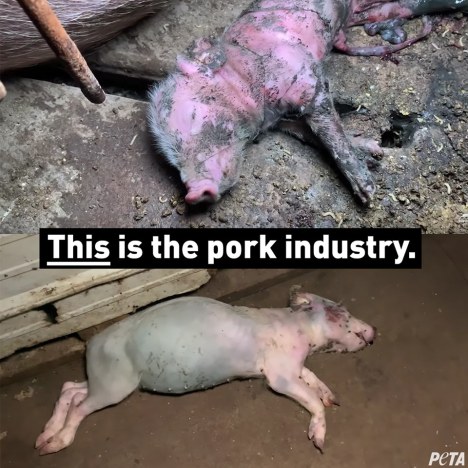
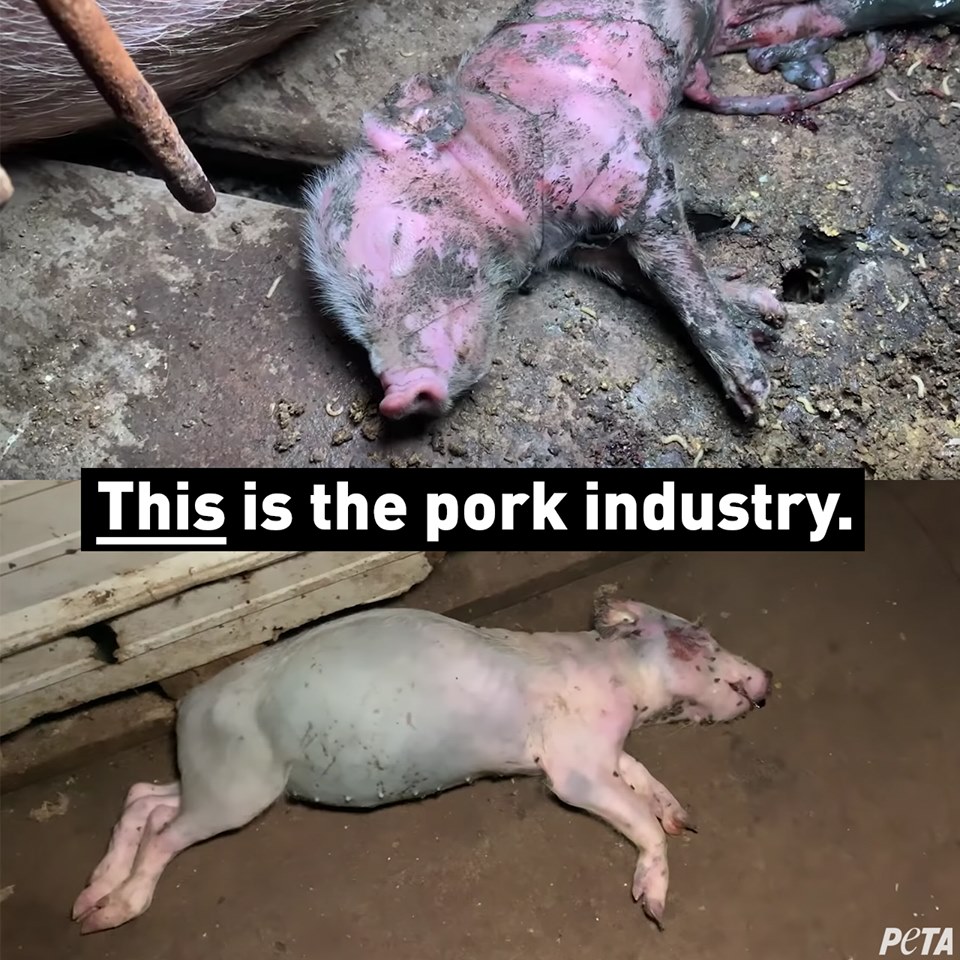
Factory farming is nothing more than legalized cruelty to animals.
Anyone who buys animal products signs the contracts with, for this cruelty to animals – everyone and in every country !!
My best regards to all, Venus
Filed under: GENERAL NEWS - International / National / Regional | Leave a comment »
Posted on January 4, 2021 by Serbian Animals Voice (SAV)

You don’t need a lot of money to make your animals happy
But fantasy
Regards and good night, Venus
Filed under: GENERAL NEWS - International / National / Regional | Leave a comment »
Posted on January 4, 2021 by Serbian Animals Voice (SAV)
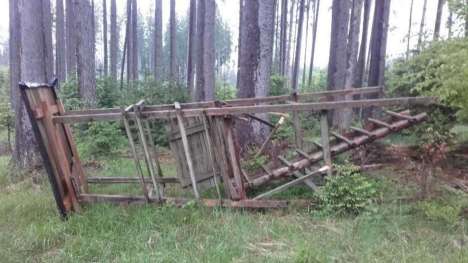
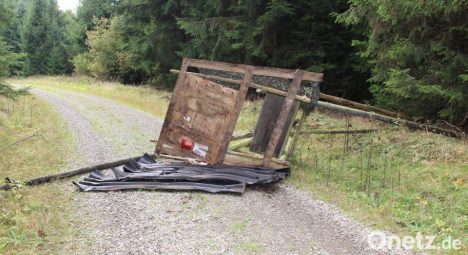
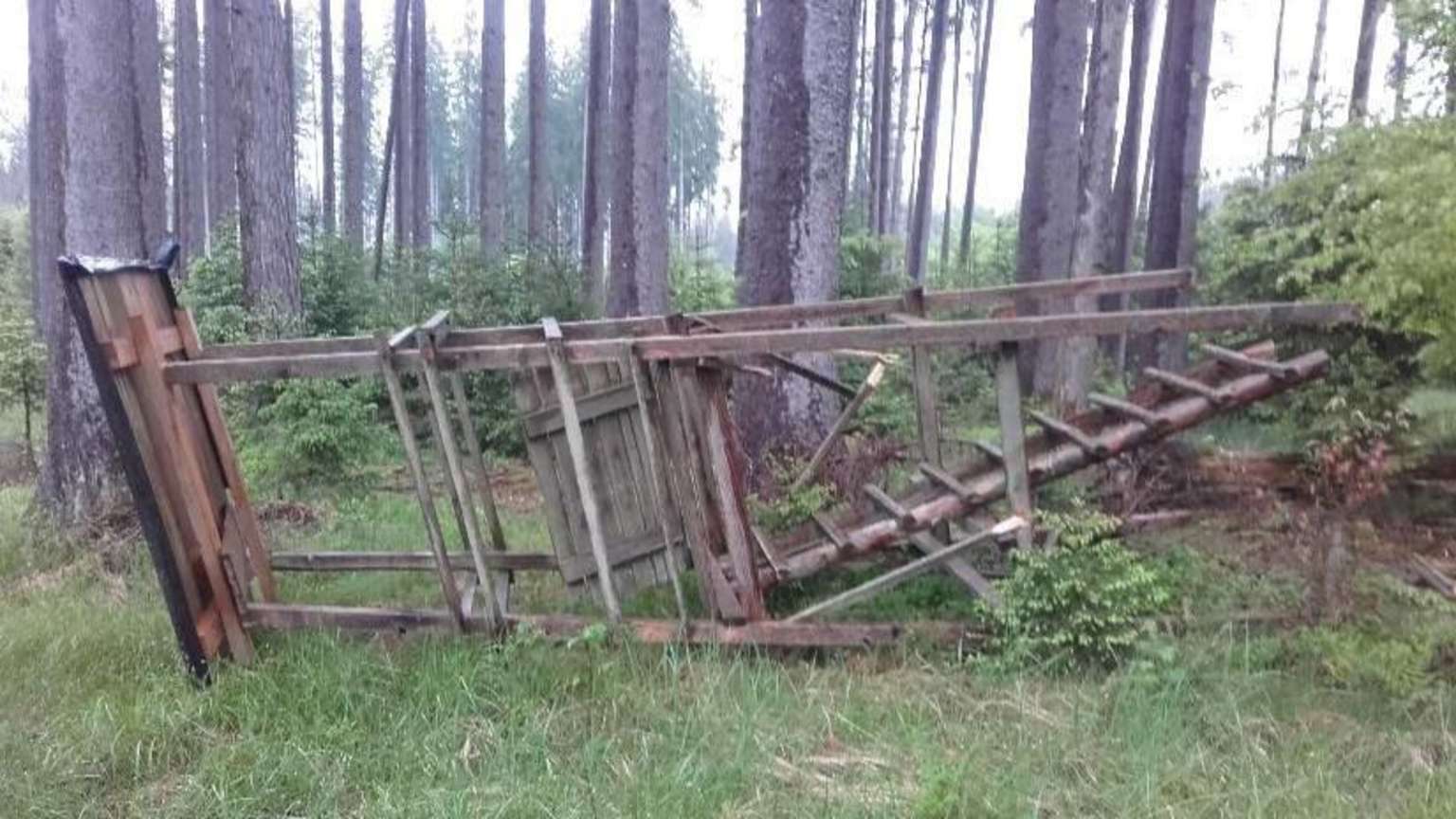
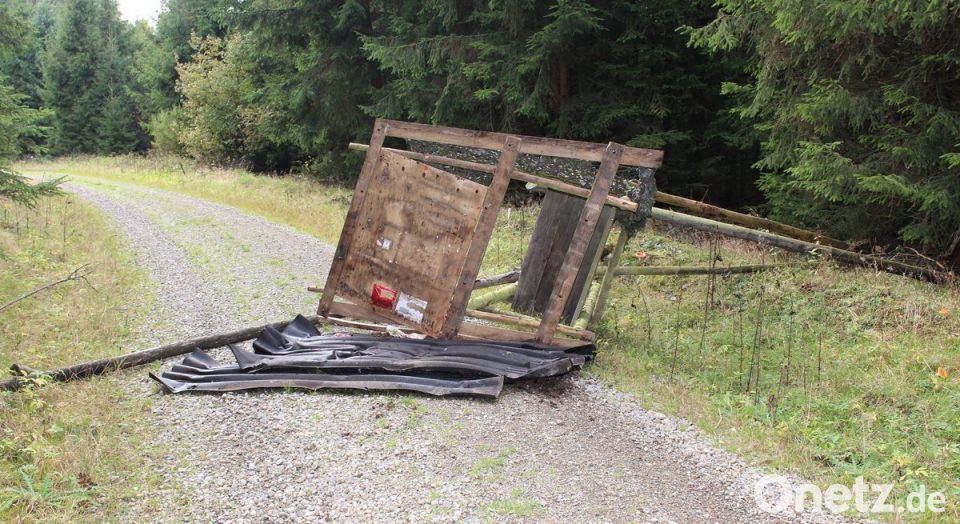
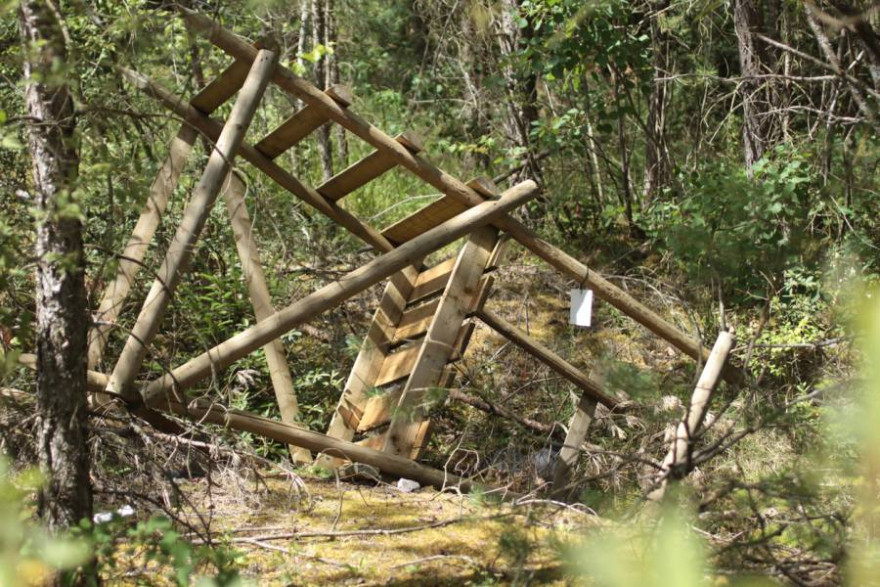
The Kochel police cleared up a series of sawn high seats in the Walchensee area. The perpetrator is a former police officer. The pensioner confesses.
A former police officer has let his hatred of hunters at “Walchensee” (Bavaria) run free
Since 2018 he has been sawing, among other things, several high seats
He was caught red-handed.
 Icon image
The cases go back to 2018, the Kochler police chief announced on Wednesday.
A 75-year-old man from the southern district was identified as the perpetrator.
He confesses and it is a retired police officer
The man was caught red-handed in the forest by one of the victims in August 2020.
The investigation has been ongoing since then.
The officials in Kochel also examined cases from previous years. Until 2018, property damage in the Walchensee area of the perpetrator could be proven, according to the Kochler police chief.

Specifically, there are eight cases with sometimes massive damage to so-called hunting facilities such as high seats and salt licks.
“In some cases, high seats had been completely cut, sometimes only the ladders were sawed,” reports police chief. The property damage is “in the very high four-digit range” (!!!)
The local Hunting Entitled (!!!) and the Bavarian State Forests are affected. Fortunately, no one was harmed in the acts.
It is possible that some high seats were even “climbed in ignorance of the danger”.
The perpetrator confessed to the damage to property.
“As a motive, he named personal problems with hunting wild animals.”
The 75-year-old confessed to some of the cases, while others could be detected by wildlife cameras or the location of the tracks.
“For example, we found traces of paint rubbed off on saws on the suspect.”
The Kochel police have worked through all the cases from previous years in this matter.
The perpetrator has so far not appeared as a criminal offense.
All reports will now be sent to the public prosecutor.
The perpetrator must expect a fine or even a low-threshold prison sentence.
And I mean…First of all, respect and solidarity belong to the man.
In addition, for one more reason: despite his old age, he continued to try to eliminate the execution places in the forest.
Some things should be clarified here about the status of these murder seats.
Not all are legal, but who dares to ask?
And each scrap of them costs a maximum of 200 euros, most of which are built by the hunter himself.
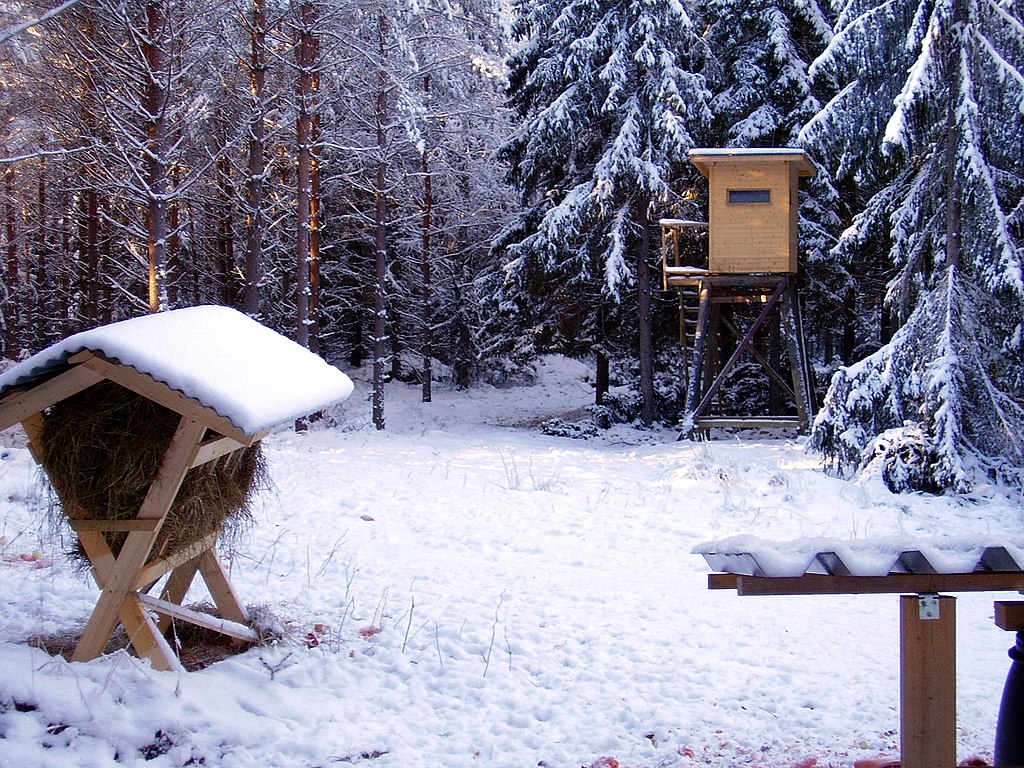
These “salt licks” are nothing more than bait that the hunters put in front of the high seats so that the future victims get used to them and visit the site regularly.
This is the only way the hunter can create a safe execution site for the future.
Of course, the hunters claim that by fattening them up, they help the weaker ones to survive the hard winter in the forest.
But if the winters are as mild as it was in 2020, it should go without saying that no hunter feeds.
But they do it anyway.
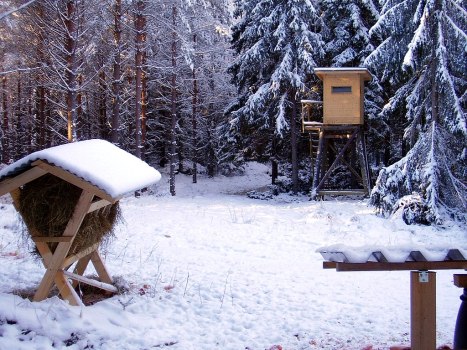 By Ohikulkija – Own work, CC BY-SA 3.0, https://commons.wikimedia.org/w/index.php?curid=30977723
So.. why are hunters so strongly against a possible feeding ban?
It is clear !! Because by regularly feeding the animals, any city hunter can play the nature boy in the fields and hallways and shoot a deer quickly and not sit and wait long in the high seat.
It is creepy when suddenly there is a bang in a high seat in the forest and animals that have been shot (but not dead) fight for their lives.
For someone who has experienced that, it is unforgettable
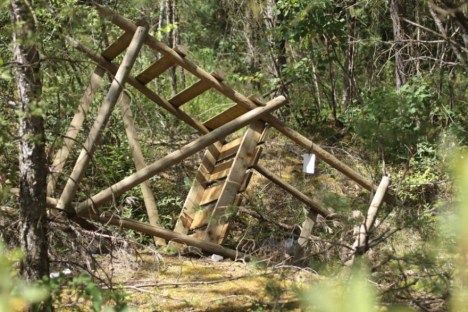
Therefore we are happy when these execution places are sawed down.
It is not forbidden.
My best regards to all, Venus
Filed under: GENERAL NEWS - International / National / Regional | Leave a comment »



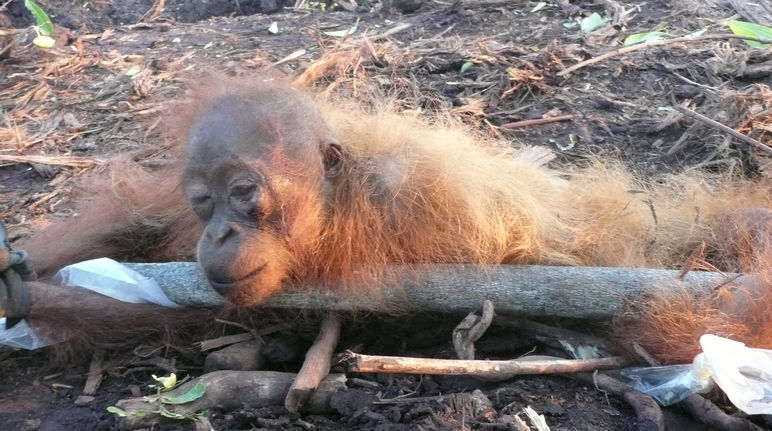
 Destroyed forest, destroyed habitat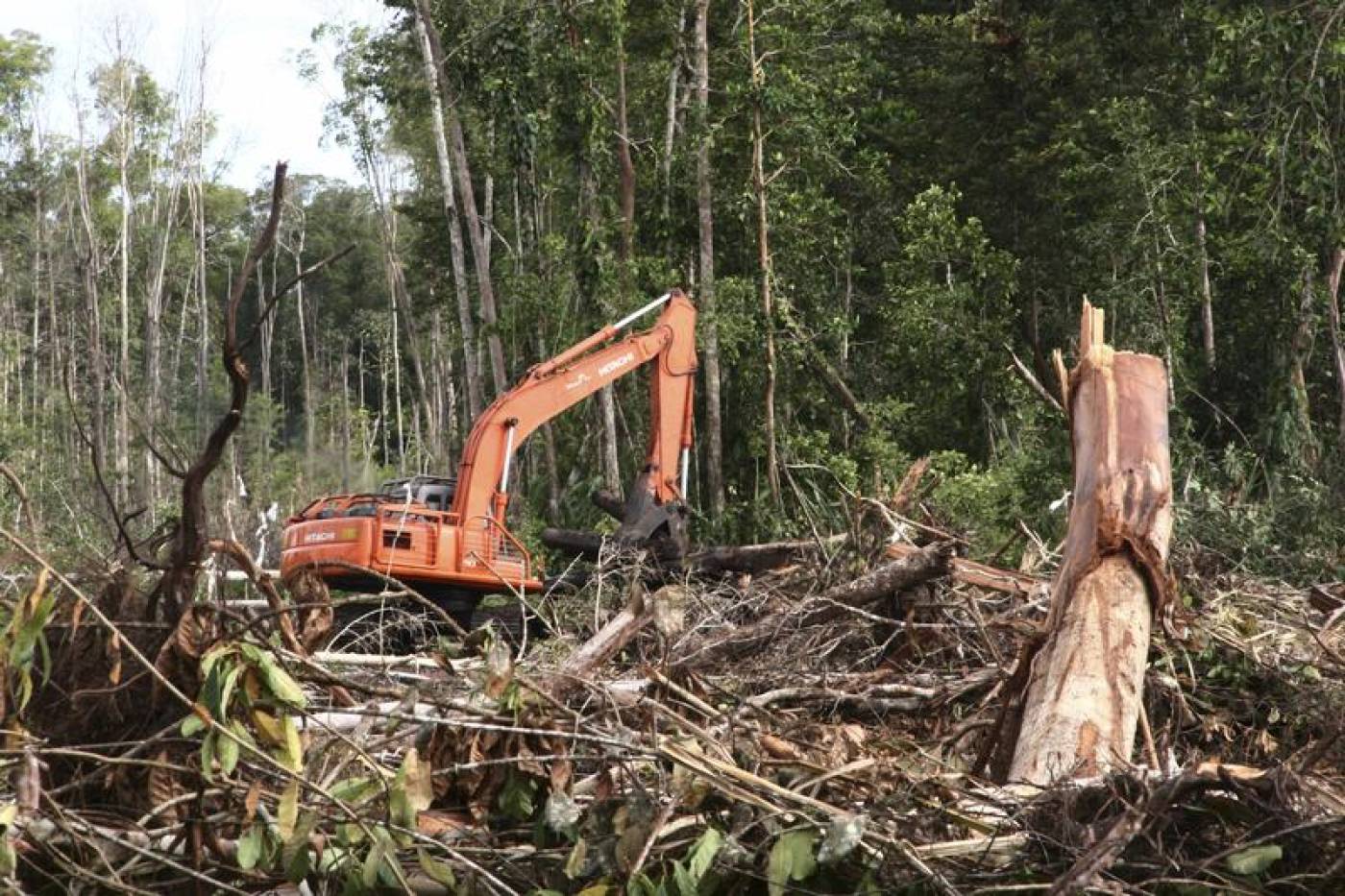








 Serbian Animals Voice (SAV)