Posted on May 29, 2020 by Serbian Animals Voice (SAV)
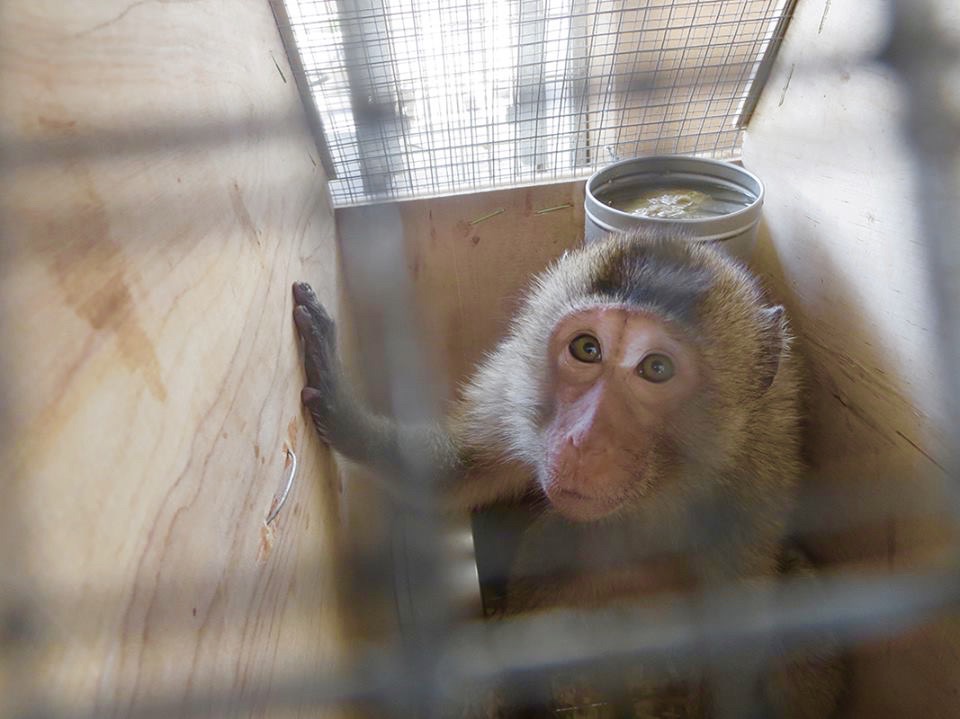
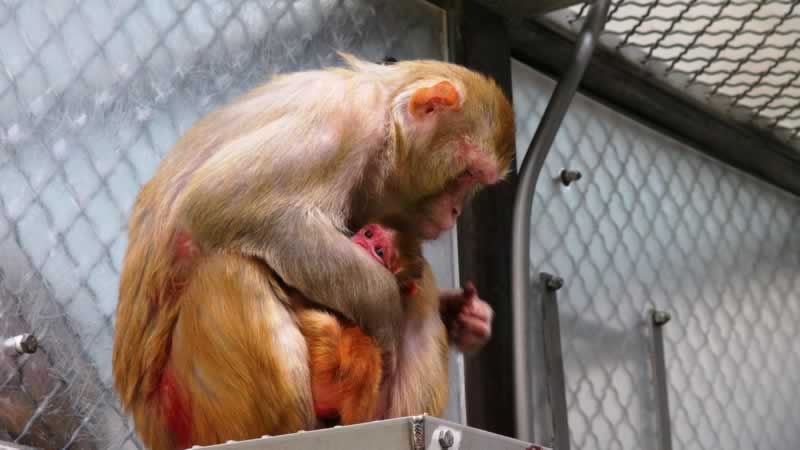
We have just received disturbing information alleging that more than 600 monkeys destined for laboratories will be shipped to Chicago on a Volga-Dnepr flight leaving Cambodia on May 29.
We’ve received disturbing reports that the Russian airline Volga-Dnepr Airlines, under its parent company Volga-Dnepr Group, allegedly transported a shipment of monkeys for use in laboratories in the U.S. and maybe planning to do it again.
Insiders allegedly at Ted Stevens Anchorage International Airport reported that Volga-Dnepr Airlines transported a shipment of live monkeys from Cambodia to the U.S., where they will be sent to laboratories and used for cruel and deadly experiments.
We confirmed that the airline did indeed operate flight VI3236, which departed Phnom Penh International Airport in Cambodia on April 30, 2020, and arrived at George Bush Intercontinental/Houston Airport in the U.S. on May 1, 2020, after making two stops—at Khabarovsk Novy Airport in Russia and Ted Stevens Anchorage International Airport.
We were told that the cargo on board this flight was live monkeys destined for experimentation.
We contacted Volga-Dnepr Airlines’ executive team and global offices multiple times, but they are refusing to answer our questions about transporting monkeys for experimentation.
Volga-Dnepr Airlines: Come clean! Are you transporting monkeys to laboratories?
My comment: Experts in the field of microfluidics and “human-on-a-chip” technology assume that no toxicity tests will be carried out on animals in the foreseeable future, and shortly thereafter no more tests on the effects of the medication will be carried out on animals because of the alternatives are scientifically superior.
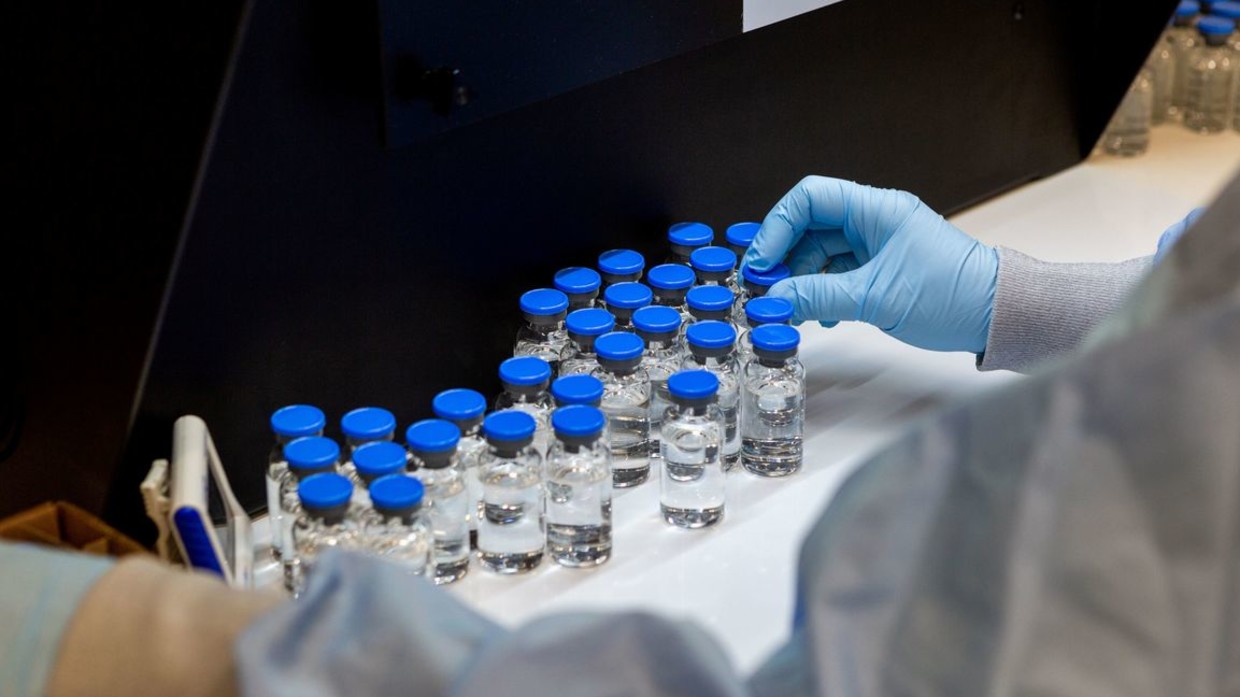
On May 14, 2020, the science magazine “Science” reported that a Dutch research group had succeeded in showing on the human intestinal organoid and how coronaviruses attack the gastrointestinal system.
On May 5, 2020, the Max Planck Institute for Infection Biology in Berlin described the human lung organoids on its website as “the ideal test system for corona infection”!
We are currently living in transition.
The corona crisis could be the reason to finally abolish animal experiments that are worthless for human animals and cruel for non-human animals.
Posted on May 28, 2020 by Serbian Animals Voice (SAV)
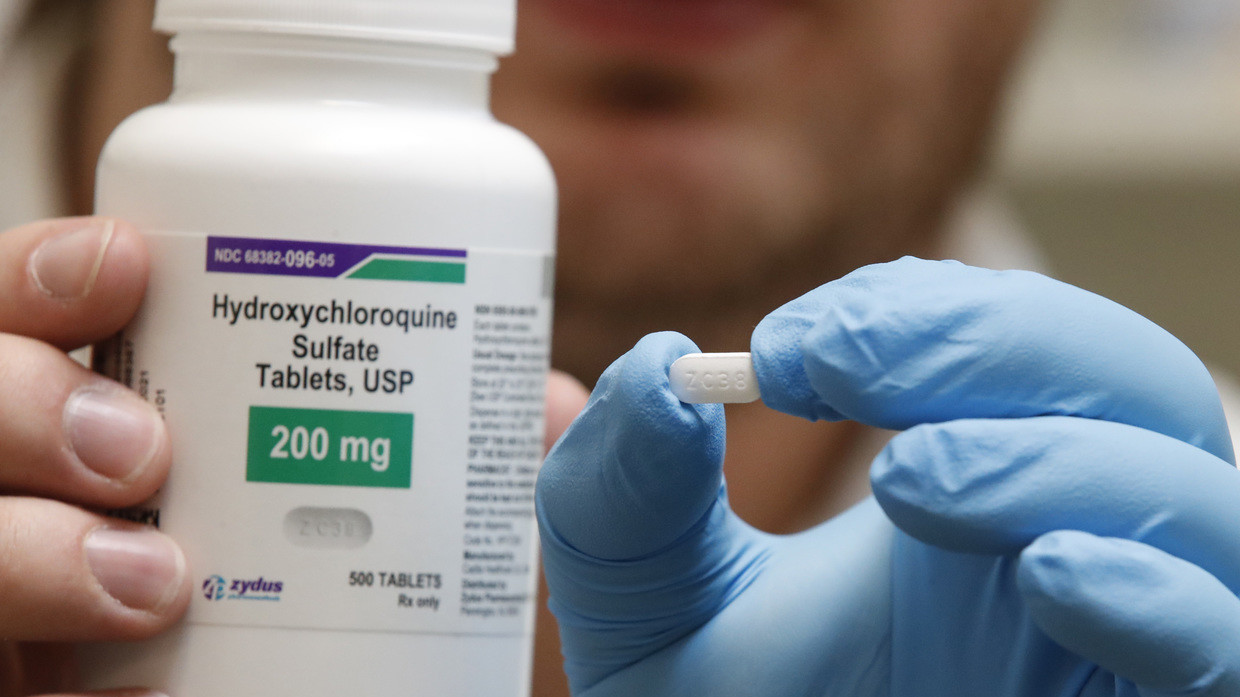
Italy and Belgium have joined France in moving to ban the use of the controversial hydroxychloroquine to treat Covid-19 patients, as questions continue to mount over its safety.
On Wednesday, France revoked its decree authorizing the prescription of the anti-malarial drug for the novel coronavirus following a decision from the government’s health advisory agency.
Now Belgium’s health body has warned against using the drug outside of ongoing registered clinical trials.
Italy’s health authorities also concluded that there is too little evidence to support the use of hydroxychloroquine for Covid-19 and that the lack of proof means it should be banned outside of clinical trials.
The Italian Medicines Agency(AIFA) also cited new clinical evidence on the use of the drug which “indicates an increased risk for adverse reactions with little or no benefit.”
My comment: WANTED: Human guinea pigs for big pharma. Must be willing to risk the health and possibly their lives in the name of profits. Must waive all rights of recourse against said vaccine creators.
At the moment, only French, Belgian, and Italian guinea pigs are not in demand.
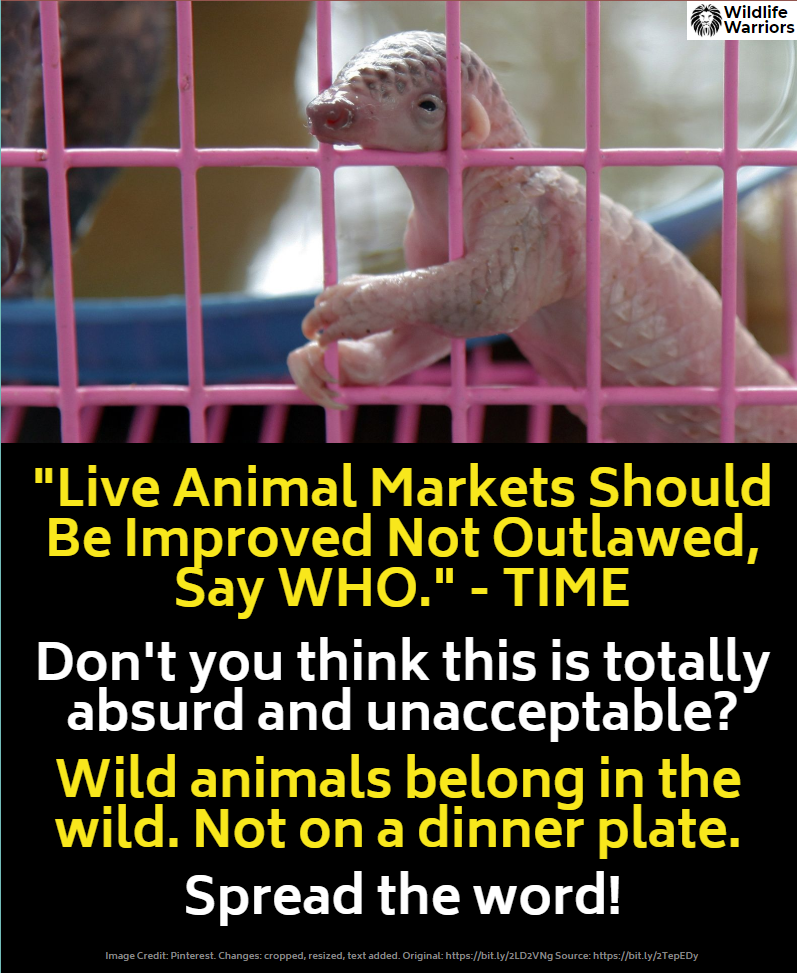
After releasing footage taken inside “wet markets” in Indonesia and Thailand in early April – months after the COVID-19 outbreak began – PETA Asia investigators observed more filth, misery, and death at nearly a dozen other animal markets elsewhere in Asia.
At one market, the flesh of wild boars, snakes, dogs, and rats was sold openly, and even cats were slated for slaughter – huddled together, terrified and exhausted, in a crowded, dirty cage.
Since PETA released the initial footage in April, more than 200,000 people have joined PETA and our affiliates in urging the World Health Organization (WHO) to call for an end to deadly live-animal markets around the globe. More than 60 bipartisan congressional lawmakers followed in our footsteps, too, writing their own, similar letter to WHO urging the agency to request the closure of all such markets immediately. And as hundreds of thousands of human lives have already been claimed by COVID-19, it’s more critical than ever that we all take action.
Please join us in urging the World Health Organization to call for an end to live-animal meat markets.
Thanks for all you do for animals.
Sincerely,
Simon P-H
PETA UK
After releasing footage taken inside “wet markets” (also called “live-animal markets”) in Indonesia and Thailand in early April—months after the COVID-19 outbreak began—PETA Asia investigators observed more filth, misery, and death at nearly a dozen other animal markets elsewhere in Asia. Despite a growing death toll, calls by world leaders for a ban on such markets, and the continued importance of flattening the curve, they and others like them are still conducting business as usual.
These Live-Animal Markets Could Be Where the Next Pandemic Originates
This new footage, shot just days ago, takes viewers inside live-animal markets in Cambodia, China, Indonesia, the Philippines, Thailand, and Vietnam, where chickens, ducks, fish, and dogs as well as bats, monkeys, and other exotic animals are sold.
Terrified live animals, bloody carcasses, and rotting flesh were all being peddled for human consumption. At multiple sites, investigators observed marketgoers walking around in flip-flops on floors covered with bodily fluids and handling raw flesh and touching blood-streaked countertops with their bare hands. At two other markets, civet cats and bats were sold for food—even though they’re a reservoir species for severe acute respiratory syndrome (commonly known as SARS), another deadly coronavirus.
Blood and Rotting Flesh Everywhere
Weeks before, PETA Asia investigators had visited wet markets in Indonesia and Thailand and were shocked even back then that any were still operating. At the Tomohon Market in Indonesia, the flesh of wild boars, snakes, dogs, and rats (whose babies like to put their arms around their mother’s neck while being bathed) were openly sold at the market. Gloveless workers and customers were seen handling the body parts of animals who had been killed on site. A mutilated snake was curled up on a table, blood staining the white tiles red. Chickens with open wounds were bound to other birds slated for slaughter.
Enough Is Enough
All wet markets are potential breeding grounds for zoonotic diseases, such as COVID-19, SARS, and MERS. At such markets, feces and other bodily fluids can easily get on traders’ and customers’ shoes and be tracked into restaurants and homes. The workers who handle the animals often don’t wear gloves (as seen in the video footage) and can also spread bacteria. Flies swarm around the bodies of dead pigs and other animals, and the countertops and floors are streaked red with the blood of gutted fish and slaughtered animals.
PETA Asia has written to health officials in Cambodia, China, Indonesia, the Philippines, Thailand, and Vietnam to call for an end to deadly live-animal markets.
Shutting down foreign wet markets isn’t good enough. To prevent more diseases like COVID-19, we must do more than crack down on these markets only in certain areas of the world. All live-animal markets must go.
Live Birds Caged With Their Dead Companions
Live ducks and chickens (who have their own unique language, with more than 30 different sounds) were kept in cramped, filthy cages, sometimes with the bodies of birds who’d already been purchased and killed. Live turtles (some of whom can hold their breath under water for over 100 days) and other “exotic” sea animals were also available for purchase. Like all animals, they just want to be left in peace, not killed for food.
Suffering and Death in a Thai ‘Wet Market’
At Bangkok’s Khlong Toei Market, PETA Asia’s investigator saw mesh bags jam-packed with live, frightened frogs (some of whom use trees as “drums” to send messages to one another) being plunked down next to the mutilated bodies of other slaughtered frogs.
Cats Are Caged and Sold for Meat, Too
Terrified, exhausted cats—sensitive and intelligent, just like the cats we share our hearts and homes with—were kept in a crowded, dirty cage without food or water until they were purchased for their flesh.
Help Prevent the Next Global Pandemic: Take Action Now!
Posted on May 28, 2020 by Serbian Animals Voice (SAV)
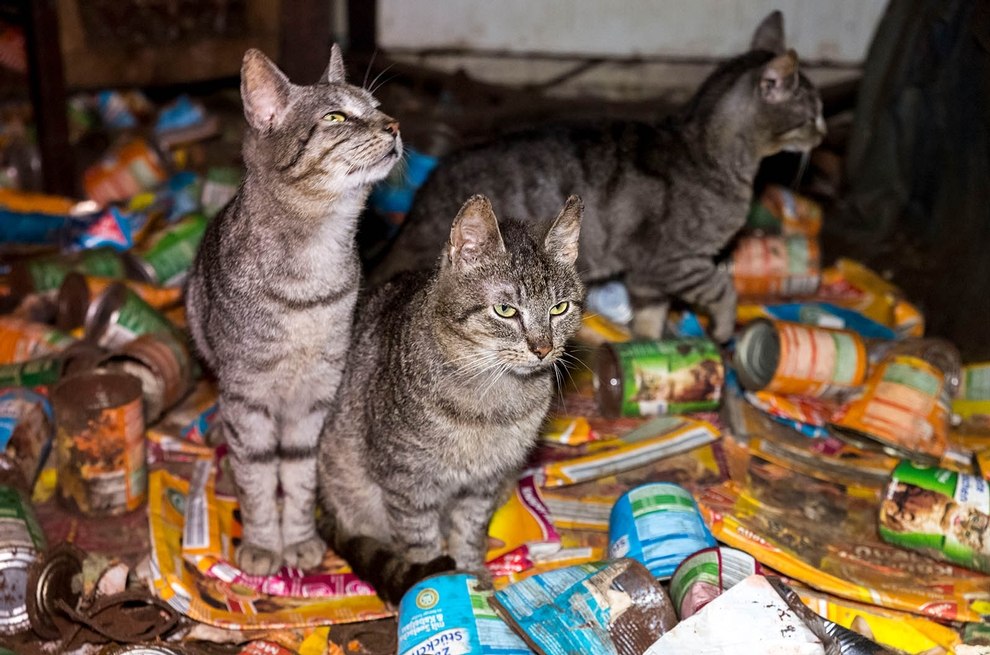
Animal hoarding describes the morbid addiction to collecting animals – a widespread phenomenon not only in Germany.
People who hoard a large number of animals in this form usually cause terrible animal suffering: they often do not provide food, adequate hygiene, and veterinary care.
Again and again, countless animals have to be saved from terrible circumstances in which they lived with animal collectors.
What is animal hoarding?
Animal Hoarders are mostly not aware of the suffering they cause to the animals in their care – even if it seems obvious to other observers. The animal collectors are also characterized by the following striking behaviors:
-They collect a large number of animals, often kept in too little space.
-They don’t care about the most basic needs of animals, such as freshwater, feed, shelter, veterinary care, and hygiene.
-They make excuses or deny the miserable conditions under which their animals – and other people in the household – have to live.
Even if the well-being of oneself or other family members are endangered, the people affected usually no longer respond.
And I mean…Mostly, Hoarding is a symptom of a mental disorder, to which the animals ultimately fall as victims, mainly because the family or the environment of the person intentionally remains indifferent.
The Hoarders are not aware of how much the imprisoned animals are suffering, but they are also unable to recognize that they themselves need psychological help.
Nevertheless, the common preaching of the Hoarders for collecting animals is … “I have to rescue as many cats as possible, otherwise they will be run over on the street”, or … “this dog is a very beautiful animal, it is unjust that he lives on the street “… and so over the years, they cause a personal tragedy and the cruel death of many innocent animals.
The Hoarders claim that they develop a very special bond with each animal, which they “save”, although most of them do not provide the animals with enough food, water or protection, nor medical help when they get sick.
According to a study about 408 dogs harvested from a Hoarder, these animals showed the following reactions when they later came into contact with humans:
-They were afraid of unknown people because of a lack of socialization
-Once they saw a person, they urinated because they lived in isolation
-They trembled as soon as someone stroked them because they never came into contact with people
Hoarding is nothing more than a bad form of animal cruelty.
Although the perpetrator is not acting out of sheer sadism or joy in the suffering of the animals, the result is the same: he causes the cruel death of animals, and therefore Hoarders belong to the psychiatric institution.
As society shifted from liberty to lockdown, life as we know it changed. This global crisis warrants a global response and that’s what we’re giving it… or are we?
We’ve seen schools close and pop-up hospitals open. As planes sat idle, airlines sought bailouts. Anti-bac became our everyday elixir. We’re now living a life full of hand-sewn face-masks, never-ending Zoom calls and supermarket home-deliveries.
In France police patrol the streets checking people’s permits to stroll outside. In Spain some residents resorted to walking toy dogs in an attempt to dodge imposed restrictions. And finally, after two long months of strict lockdown measures, Italy has taken a collective deep breath of fresh air.
So, as we battle this deadly pandemic, it’s only right that ‘Stay Home, Save Lives’ became our quarantine mantra.
Journeys
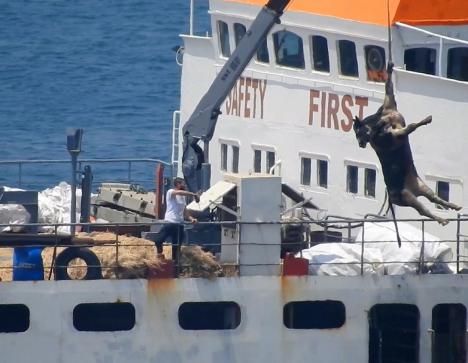
As many of us keep safe inside, farmed animals continue to roam — though they too are not free. With a one-way ticket to an international destination of the industry’s choice, they are shipped great distances for ‘fattening’ and butchery.
Forced to travel many miles from where they were born, footage showed them in small metal pens, their hooves caught between the bars and their journeys lasting for days or even weeks. Some are pregnant or become injured along the way; most endure extreme temperatures with little food, water or rest; all are unaware of the chilling fate that awaits them.
Last month animal protection organisations, Eyes on Animals and L214, released undercover footage of calves from Ireland transported on long journeys to France for veal, where they were callously kicked and beaten with sticks.
And just a fortnight ago coverage of a newly published European Commission report highlighted that the welfare of millions of animals exported from the EU is being put at risk by failings, “including heat stress, bad planning and a lack of information from the destination country”.
Here in the UK thousands of live sheep, calves, pigs and even horses continue to be exported to countries in the EU and beyond. The cliffs of Dover are witness to lambs on their way to slaughter.
Disease
So, why one rule for the animal agriculture industry and another for the rest of us?
A particularly poignant question at a time when researchers are suggesting that the consumption of animal products may be linked to the coronavirus crisis and when science tells us that 75 percent of new and emerging infectious diseases in people come from animals.
Forcing animals to live in intensive conditions, travel great lengths in restless confinement and suffer a merciless death leaves us in a more precarious position than ever before.
Live export is certainly not necessary on animal welfare grounds, nor for reasons of public safety, so why exactly is this practice still permitted in the current health crisis?
As I write, animals are struggling in overcrowded lorries and ships, stuck in even longer queues than usual as COVID-19 further disrupts transport links. We cast-off these blameless animals with no controls in place for how they are to live or die: once they depart British soil, they may as well already be dead to us.
Profits
Workers too are in imminent danger. Truckers, vessel crews, animal handlers and others are all in close proximity with these frightened animals and will be amongst the first to catch any deadly pathogens that lurk. No one should be forced to be at risk just to make a living.
Though can we really be all that surprised that the meat industry is prioritising profits over people?
Weeks ago we saw workers stage a walkout of a poultry plant operated by Moy Park — one of the UK’s largest chicken producers, responsible for raising and slaughtering over 312 million birds here each year — due to fears over lack of PPE and inadequate measures to combat the spread of coronavirus.
And stories from slaughterhouses and meat packing facilities continue to dominate our screens, with coronavirus cases especially prevalent in abattoirs throughout the US and Ireland. This from an industry that prides itself on ever-increasing ‘kill line’ speeds, where workers are typically in close proximity and made to work as quickly as possible, all to maximise profits.
Inaction
Worldwide, an estimated two billion live animals are transported long distances each year. Since we went into lockdown in the UK on 23rd March, over 350 million live animals have been exported around the world. The numbers are staggering… the risk to us all equally so.
Boris himself has spoken out in the past in favour of a ban, claiming that by “abolishing the cruel live shipment of animals” the UK can demonstrate that “we will be able to do things differently” post-Brexit.
Despite this, no legislation has been put in place. Animal Equality is among many animal protection groups calling for action, including Compassion in World Farming, Eurogroup for Animals, KAALE and more.
The export of live animals poses a serious threat to humans and animals and now, more than ever before, we cannot afford the further spread of disease. The Government must end live animal exports.
This Author
Abigail Penny is executive director for Animal Equality. Animal Equality will be joining Compassion in World Farming’s global twitterstorm on 14 June 2020 to raise awareness of this issue and to signal to policymakers that this cruel practice must end now. Learn more from its website.
Posted on May 27, 2020 by Serbian Animals Voice (SAV)
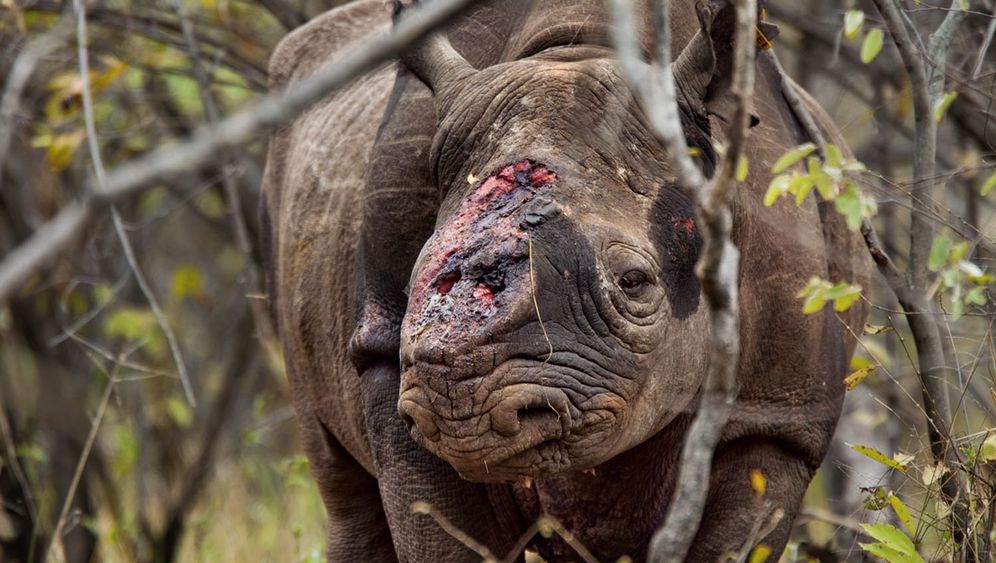
Much has been written about the decimation of rhino populations in Africa due to poaching. Due to COVID-19, the problem has worsened as gangs in Mozambique take advantage of the lack of tourists and guards in South Africa’sKruger National Park, killing nine rhino already.
Since lockdown, six rhino in Botswana has been slaughtered for their horn.
Why do the poachers do it? In all the coverage of the rhino disaster — about the demand from China, the gangs who control the racket and the horrific on-the-ground images — the people who commit the actual murder of the animal have largely remained silent, until now.
In 2016, award-winning journalist Godknows Nare spent six months in the epicenter of rhino poaching, around the perimeter of Kruger National Park, interviewing poachers and their families.
Shortly after he returned, I talked with Nare about his time with the poachers. (Nare, who had received death threats for several years due to his work exposing the inhumane prison system in Zimbabwe as well as his investigations into corruption in South Africa, was shot and killed outside his home by Johannesburg Metropolitan Police in 2017. Three officers were arrested and put on trial for murder, later to be acquitted.)
“At first I thought [poachers] were just cruel criminals,” Nare told me. “But then you engage with the people, you live with the people … There are villages just around the Kruger National Park, [where people] live on social grants because there is no more land to farm … You just need to fill up your stomach. Then you can think about other things.”
And I mean…Ivory and Rhino Horn are billions of deals that can only be compared to those in the arms or drug business.
The largest market for illegally traded rhino horn is in Vietnam. Here the horn is used primarily by the new social elite as a status product and as a remedy for many diseases.
The rhino only contains keratin, which our fingernails also have.
Most of the business is done by black South Africans, who receive a commission of up to 3,000 euros.
Behind it are white gangsters who have made technological improvements with the money of Horn business: they have small multi-purpose helicopters and the latest night vision devices with which they can recognize the outlines of a rhino from four kilometers away.
Vietnamese usually act as middlemen and smuggle the loot into China via their homeland.
We have to find a way to eliminate the demand for rhinoceros horn so that nobody pays poacher for it.






 Serbian Animals Voice (SAV)