Posted on June 14, 2018 by Serbian Animals Voice (SAV)
Animal rights activists illegally take pictures of grievances in stables.
A survey shows that most people in Germany find this legitimate.
Get into a stable and film secretly: So activists reveal animal cruelty again and again. Foto: ARIWA
BERLIN taz-newspaper |
Most people in Germany consider it justified that animal welfare organizations reveal animal suffering by secretly filming in stables. This emerges from a representative survey of the opinion research institute Emnid. On Thursday evening, the Federal Parliament wants to debate a proposal by the FDP (the Liberal Party), which should make such searches more difficult with the help of tax law.
Clients of the survey are the Animal Organisations Ariwa, Animal Equality, German Animal Protection Bureau, Peta, Soko Animal Protection and Animal Retriever, which themselves repeatedly published undercover images of abuses on farms.
This undercover method supports 82.5 percent of respondents. 85 percent were in favor of stronger controls on animal welfare on farms. According to the study, 1,012 people over the age of 14 were interviewed last week for the study.
The CDU and the FDP, on the other hand, demand that activists who secretly enter agricultural farms for undercover shootings be punished. In addition, they want to withdraw the charitable status of organizations that publish appropriate footage !!
In this notch also suggests the FDP application in the federal day. Accordingly, the plenary is to call on the government to defend against the charitable status of associations that “violate the applicable penal laws or call for such a breach of law.” Probably the topic is first referred to a committee.
FDP (the Liberal Party)says: “Animal rights activists ax to the rule of law!”
Gero Hocker, agricultural policy spokesman of the FDP parliamentary group, justified the application in conversation with the taznewspaper so: “I believe that puts the ax to the rule of law, if private-sector organizations take over functions, that actually have to be taken over by the veterinary authorities.” The animal rights activists respond that the state does not fulfill this task sufficiently and therefore must be generated by their shots political pressure.
Foto: Animal Equality
Peta-law expert Edmund Haferbeckdoes not believe that the proposal, if made, would change the legal situation. Already now, the tax authorities would take the status of “Public usefulness“ from this organisations, which calls for criminal offenses. “In addition, the Higher Regional Court in Naumburg (Germany) has judged that penetration in stables is not punishable, if it uncovered maladministration, for which there were hints, for example, by whistleblowers,” said Haferbeck.
Peta is not vulnerable anyway. “We only publish videos that have been taken by others.” The organization had already disbanded its “investigation department” in 2013. The German Animal Welfare Office, for example, argues similarly.
Contrary to what is often said, the entry into the stables is usually not “burglary”. For, for example, the Duden defines this as follows: “forcibly entering a building, into a room or similar (to steal something)“. But violence is usually not necessary to enter many stables: they are often not closed. There are also no (or few) cases, where farmers have accused the activists of opening doors or stealing something. Legally, the activists are therefore usually accused of trespassing. But even that usually does not last in court.
But violence is usually not necessary to enter stables: they are often not closed!!
“The results of the survey show how far the demands of some politicians, above all the FDP parliamentary group and the Federal Minister of Agriculture Julia Klöckner, are bypassing the will of the population,” said the six animal rights associations. “Again and again, new cases show that official animal welfare controls are not effective. The fact that the detection of abuses by animal rights organizations should be targeted is a scandal and does not coincide with the conviction of the German population. “
Posted on June 14, 2018 by Serbian Animals Voice (SAV)
As we are fully aware:
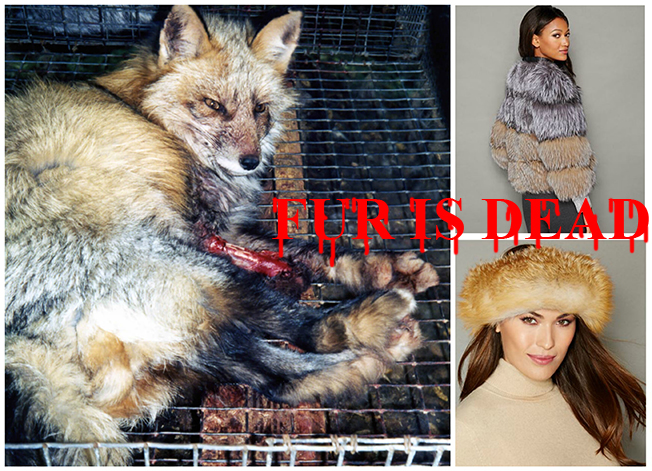
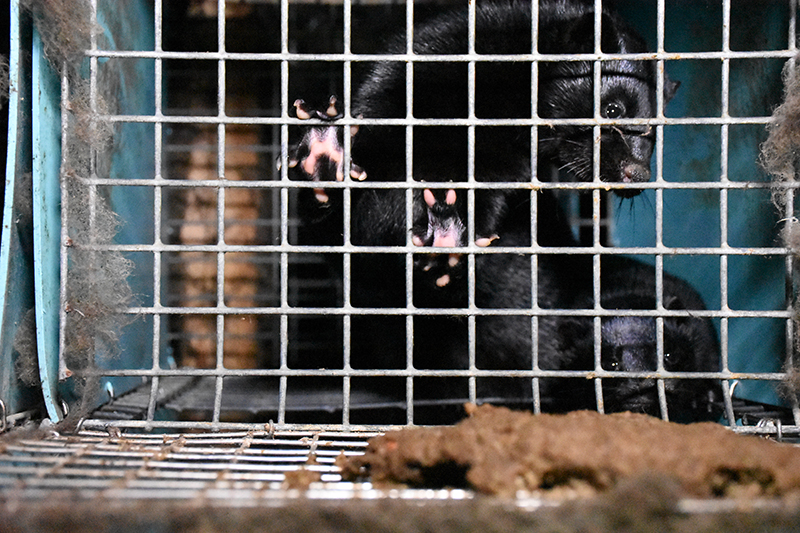
Animals on fur farms are deprived of food and water, confined to filthy cages, beaten, electrocuted, and gassed before they’re skinned and dismembered while still conscious and able to feel pain.
These cruel and cheap killing methods are used by fur farmers to cut costs—with little to no regard for the animals’ well-being.
This is what animals endure in the fur industry for clothing and accessories like those found at Macy’s, yet the company refuses to stop selling fur.
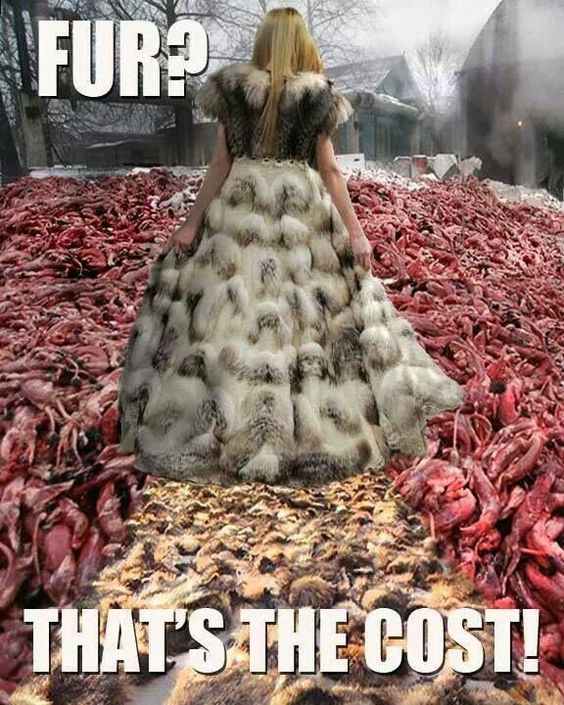
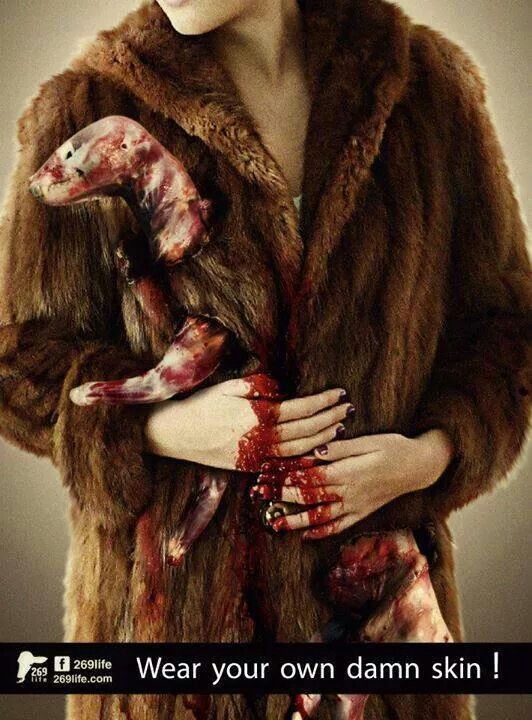
Whether it came from an animal on a fur farm or one who was trapped in the wild, every fur coat, trinket, and bit of trim caused a living, feeling being tremendous suffering—and took away a life.
With so many innovative and environmentally friendly vegan options available today, there’s no excuse to kill animals for clothing.
ACTION
Please urge Macy’s to legitimize its claims of being an operation of “integrity” by leaving abused animals out of its stores.
Addressed to: Head of Government of the CDMX José Ramón Amieva
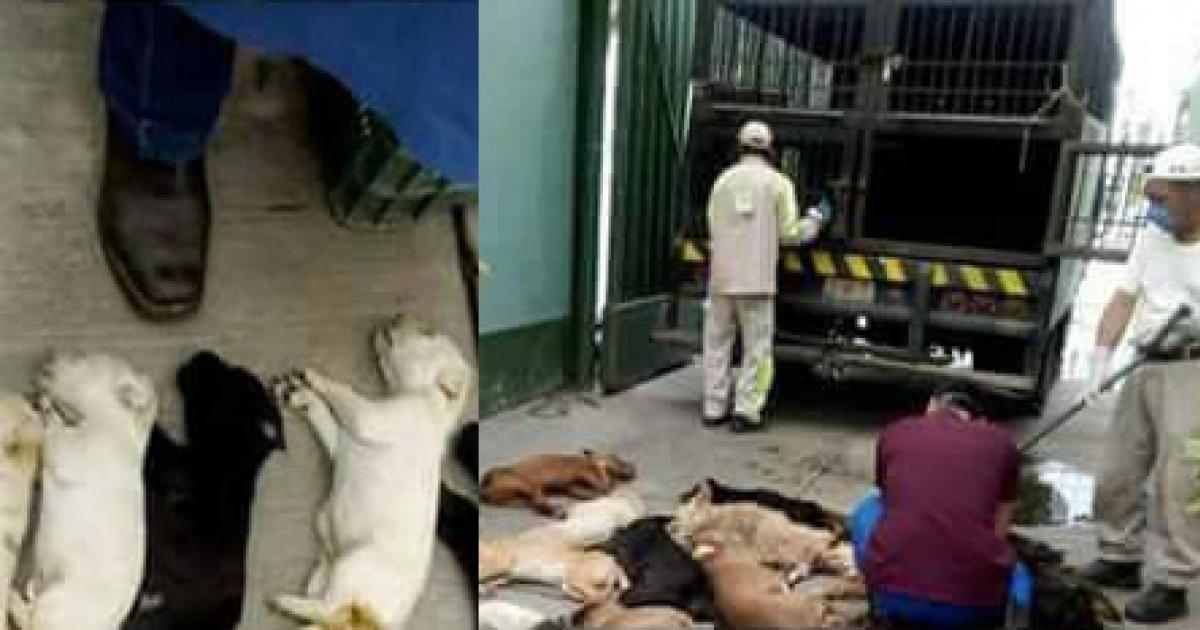
One month after the “electrocution of more than 250 puppies” by Laura Barajas Villegas, Director of Canine Control of Tláhuac and known as “The dog killer beast”, as well as the joint responsibility of Arturo Medina, Delegational Chief in Tláhuac. In the face of these brutal and inhumane acts, we demand the full application of the “Animal Protection and Welfare Law”, established in the Political Constitution of the CDMX and other applicable regulations, which punish with “Prison sentences between 8 months and 2 years and fines of 30,000 to 60,000 thousand pesos, to those who injure animals for cruelty and abuse.” That no official is above the Law!
Posted on June 14, 2018 by Serbian Animals Voice (SAV)
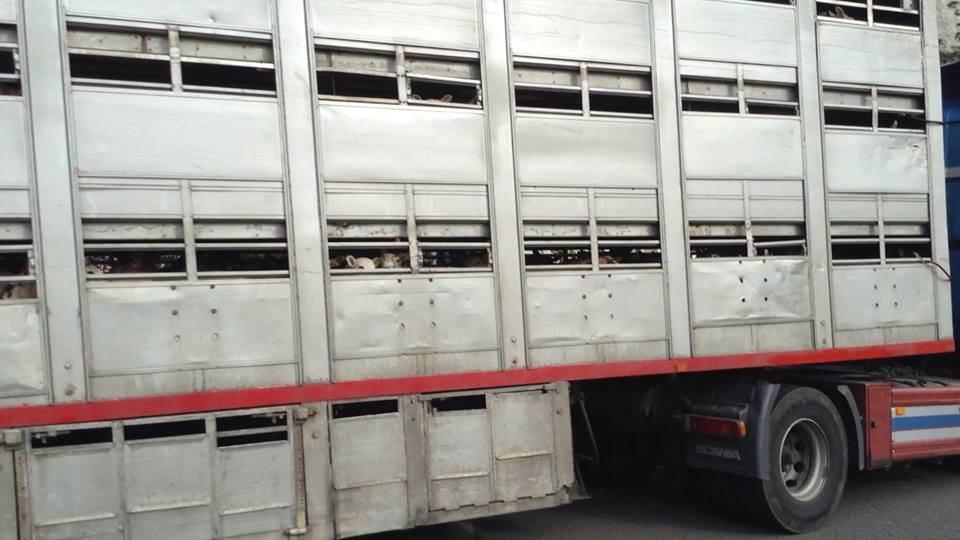
Today is the day that people all around the world are uniting around a single goal – to end the long distance live transport of animals. We are sickened by the cruelty inflicted upon farm animals during these long and dangerous journeys. This is a global problem that deserves a global response.
Campaigners in over 30 countries are taking action, from Brazil to Australia, from Israel to Mexico. We’re thrilled that so many Compassion supporters are staging events today or at the weekend. If you’re not already on your way, it isn’t too late to join an event! And, even if you can’t be with us in person, you can still take action for farm animals.
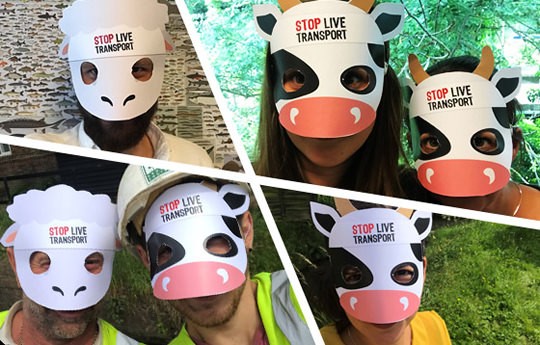
You can take selfies wearing the downloadable animal masks and post them online using #StopLiveTransport
And don’t forget to share the petition against cruel live exports from the EU.
You can spread the word to friends and family using ciwf.org.uk/EULiveExports
Posted on June 14, 2018 by Serbian Animals Voice (SAV)
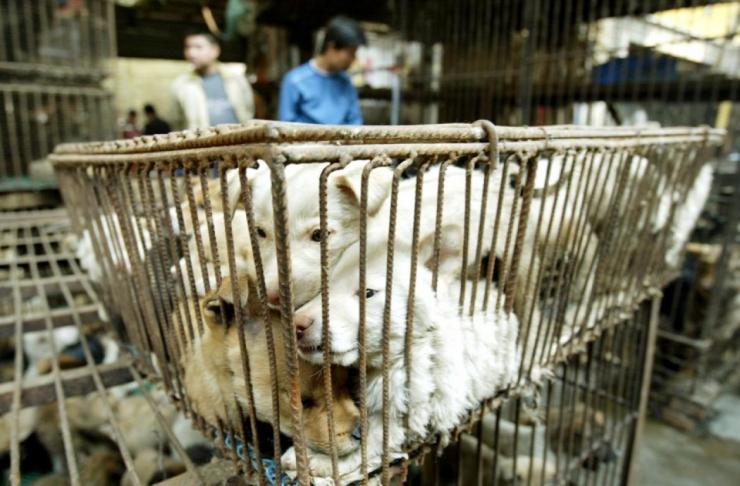
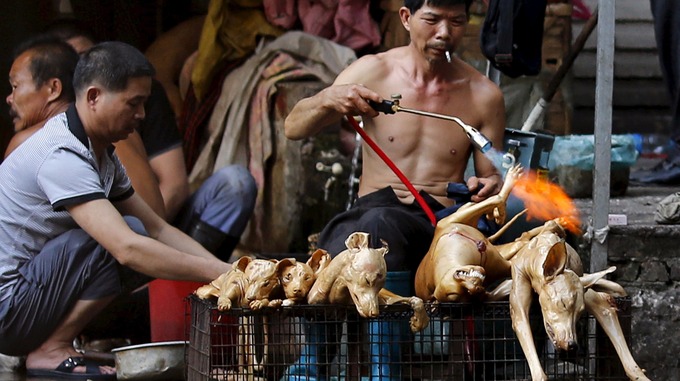
Meyli is terrified. The floor around her is slick with the blood of dozens of dogs killed before her, and their bodies hang on hooks or soak in vats of water. The slaughterhouse reeks of death—and she and the other dogs in the holding pen are frantic to escape.
Soon, a worker will grab her with metal pincers and bash her over the head with a wooden club. She may not die instantly—and still struggle to breathe even after her throat is slit, writhing on the filthy floor before her skin is peeled off.
What dogs like Meyli experience seems like a scene from a horror movie, but it’s happening in Chinese slaughterhouses right now. An employee of one told a PETA Asia investigator that just that single operation killed and skinned as many as 200 dogs a day.
The investigator witnessed dog skin being turned into men’s work gloves and other items that are exported from China and sold all around the world to unsuspecting consumers. And it’s not just leather—dogs and cats sold at Chinese animal markets are also killed for their fur and sometimes skinned alive!
On Chinese fur factory farms, foxes, minks, and rabbits are confined to filthy, cramped cages until they are yanked out, bludgeoned, and skinned. Investigators documented that the hearts of some of those animals were still beating even after their fur was cut off their bodies.
With help from our determined supporters, PETA’s campaigns have reached so many consumers that now it’s rare to see a full-length fur coat—and more designers than ever are shunning fur, leather, and other animal-derived materials.
Even Donatella Versace—whose use of fur we vigorously campaigned to stop—has joined Michael Kors, Gucci, and others in going fur-free. PETA Asia’s exposé of the Chinese dog-leather industry inspired members of Congress to seek a ban on the importation of dog leather. And major brands like H&M, Zara, Topshop, and Gap Inc. are dropping angora and mohair in quick succession following PETA exposés of these grisly industries, so it’s clear that momentum is on our side—thanks to support from kind people like you.











 Serbian Animals Voice (SAV)