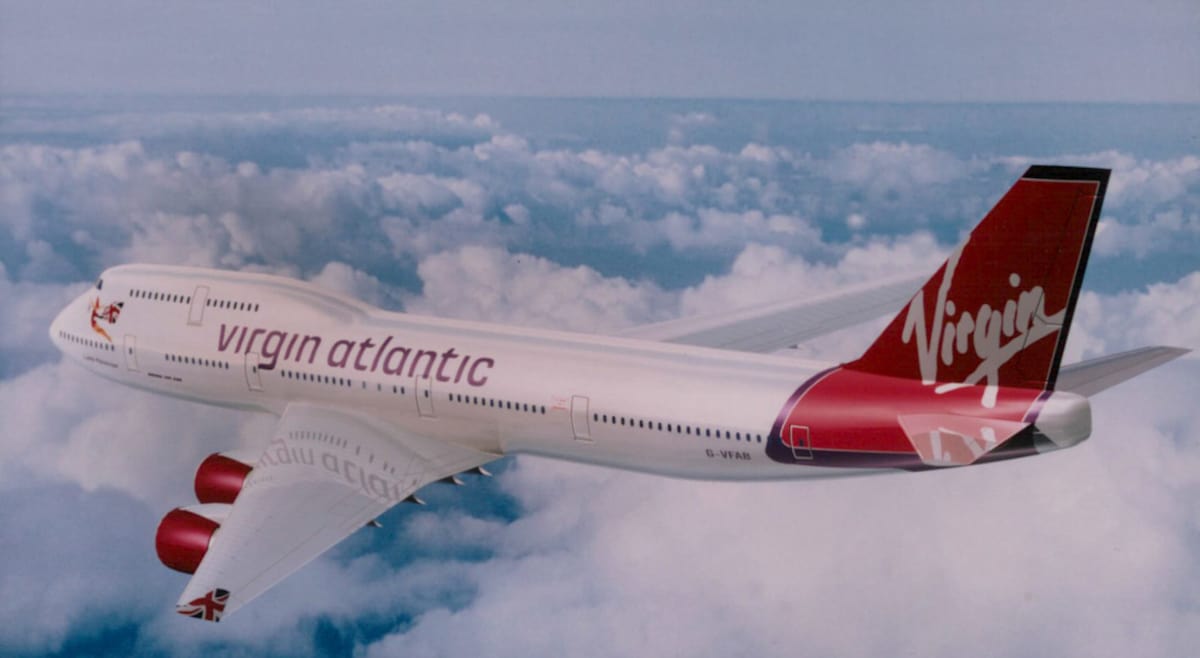
The company — part of Sir Richard Branson’s Virgin Group — plans to initiate the changes as soon as possible, with a deadline of July 31st.
“We have now decided the time is right to discontinue offering attractions featuring close encounters with captive whales and dolphins,” said Joe Thompson, managing director of Virgin Holidays. “We will instead focus our efforts on encouraging customers to see these creatures in the wild. We will also continue our efforts to support the development of sanctuaries for whales and dolphins currently in captivity.”
Virgin Holidays has donated $100,000 to the National Aquarium in Baltimore for their project, which aims to relocate their captive dolphins to a purpose-built sanctuary, set to open in 2021.
“We want to actively support this direction by encouraging more responsible wild watching, which puts animal welfare at the heart of things, meaning our customers get to experience these amazing animals with peace of mind and future generations can enjoy these wonderful experiences too,” said Thompson.
Virgin joins many other travel providers around the world who refuse to support animal-related attractions, such as TripAdvisor and Thomas Cook.
Since 1977, 70 orcas have been born in captivity; 37 of them are now dead, and none have survived for longer than 30 years. The average lifespan of a wild orca is 50-80 years.
According to National Geographic, there are 58 orcas in captivity on the planet; a third of these are held in the United States. These incredible animals live in social groups and are exceptionally intelligent and complex individuals, who cannot thrive when taken from their natural environment.
“It’s basic biology,” says mammal scientist Naomi Rose from the Animal Welfare Institute. “A captive-born orca that has never lived in the ocean still has the same innate drives. If you have evolved to move great distances to look for food and mates then you are adapted to that type of movement, whether you’re a polar bear or an elephant or an orca. Not one marine mammal is adapted to thrive in the world we’ve made for them in a concrete box.”
We applaud Virgin Holidays for taking a stand against animal cruelty and putting their money where their mouth is by supporting humane alternatives to marine animal attractions.
World Animal Protection (WAP) has released a report documenting the heartbreaking suffering inflicted on big cats farmed throughout South Africa and Asia for the traditional Asian medicine industry.
“Trading Cruelty – how captive big cat farming fuels the traditional Asian medicine industry” describes how thousands of big cats are bred and killed every year only to be made into wines, capsules, gels, and balms — products that have never been proven to have any healing properties.
“Does the life of an animal mean nothing at all,” asks Dr. Jan Schmidt-Burbach, global wildlife advisor at WAP. “These big cats are exploited for greed and money – and for what? For medicine that’s never been proven to have any curative properties whatsoever. For that reason alone, it’s unacceptable. At each stage of their lives they suffer immensely – this makes it an absolute outrage.”
Lions are the main focus in South Africa, where cubs are either taken from their mothers in the wild or bred within special facilities. First, they are exploited at petting farms, then used for “walking with the lions” experiences, and eventually murdered at canned hunting game farms for a fee. Their body parts are used as trophies and shipped to Asia to be used in traditional medicines.
China has huge factory-style farms, where dozens of big cats are kept in tiny cells with only the basics to survive. Many discovered as part of WAP’s investigation were emaciated. Some facilities use their captives as entertainment, forcing them to perform in shows and charging visitors to have their photos taken with the miserable animals.
“Many of these animals will only ever see the world through metal bars, they will only ever feel hard concrete beneath their paws, and they will never get to experience their most basic predatory instinct – a hunt,” says Dr. Schmidt-Burbach. “Instead, they are taken away from their mothers as tiny cubs, forced to interact with people or perform tricks, to be then shot or slaughtered so that their bodies can be harvested for products.”
With so many big cats sourced from these horrific farms, you may assume that fewer animals are taken from the wild. This isn’t the reality. WAP discovered that nine out of ten people surveyed in Vietnam — and more than half of Chinese consumers — would rather consume products from animals taken from the wild than farmed. This shows that big cat farming is actually a driving force in the poaching of these magnificent endangered cats.
While the report documents enormous demand for big cat parts for traditional medicine, WAP also highlights some positive statistics. Their studies showed that 67 percent of Vietnamese residents would be willing to try herbal or synthetic alternatives to products sourced from big cats — if the products were reasonably priced.
The organization, along with myriad others around the world, continues to fight for the animals, with a focus on changing attitudes around the use of big cats in traditional Asian medicine.
“This should not be the life for these incredible animals – either in farms or entertainment venues,” states Dr. Schmidt-Burbach. “These animals are majestic apex predators – they are not playthings – nor are they medicine. Big cats are wild animals and they deserve a life worth living.”
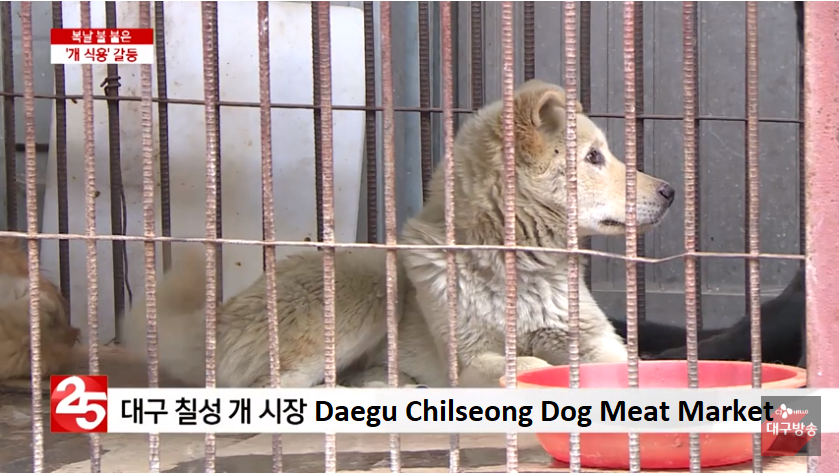
The city of Daegu will consider plans to close down dog slaughterhouses in the Chilseong Market by next year. These plans include solutions for the livelihood of the shop owners.
Daegu Mayor Kwon Young-Jin said on July 17, “The problem of dog meat consumption goes against current trends, and dog slaughterhouses located in the center of Daegu have negative effects on our emotions (sentiment).”
Mayor Kwon also stated, “If the dog slaughterhouses were to close down, there’s the livelihood issue for these businesses, so we will find various ways to help them which includes measures to support their livelihood.“
Daegu Chilseong Market had dog slaughterhouses even before the Chilseong Market became permanently established in the 1940s. There are now two dog slaughterhouses and 17 restaurants and dog soju places that sell dog meat in the Chilseong Market.
We received a report about a dog slaughterhouse and dog farm in Cheonan, a city about one and a half hours south of Seoul, at which the owner of the slaughterhouse killed the dogs in an especially brutal way. With one of the boknal days—the three hottest days of the year when dog meat consumption increases—a couple of days away on the 22nd, we went to investigate on the evening of the 20th.
What we encountered when we arrived was horrific even for experienced investigators.
There were broken cages with dogs tied with short leashes exposed to the elements—it’s monsoon season in South Korea, and there have been a couple of days of heavy rain. There were cages on the ground—they are usually raised off the ground—with dogs standing or lying in muddy puddles. In total there were about one hundred dogs on this farm.
However, that wasn’t the worst of it.
This dog farmer slaughtered dogs in a particularly brutal way; they were hung by the neck and blow-torched alive.
The slaughtering was done outside in full view of any dogs unfortunate enough to be able to see the area in which it was done.
Posted on July 22, 2019 by Serbian Animals Voice (SAV)
Ethics? The billion-dollar companies such as VW, BMWand Daimler are now because of the test series of monkeys in the criticism, but honestly, what has changed since the announcement of the exhaust gas scandal really?
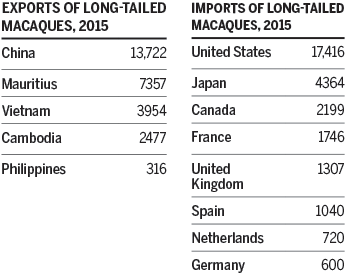
Mauritius is after China the number 2 country selling monkeys for animal testing.
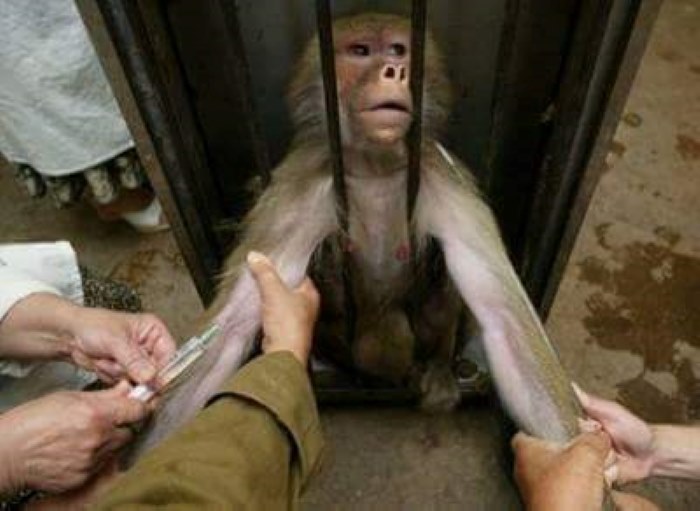
Tens of thousands of monkeys are kept in large farms across the island. The offspring of these wild-caught monkeys are then sent to labs around the world.
The illegal trade in endangered animals for so-called research is a billion dollar business. Especially in China, the demand is increasing more and more. Also great apes find rapid sales there.
In 2016, the breeders exported 8245 animals to North America and Europe – nearly half of them to the United States (see table below).
6000 primates suffer every year in research in Europe with the support of taxpayers!
Ethics play no role in the global economy today! This is shown by the 10 monkeys, who were sitting in an airtight gas chamber, inhaling the fumes from a VW Beetle, while “cartoons” were shown on a screen.
The monkeys are crammed into small wooden boxes and shipped as cargo in passenger aircraft. On long-haul flights, animals suffer from hunger, thirst, anxiety and stress. Animal rights activists have been protesting for years. Many airlines have already left the cruel transport business due to the worldwide protests.
Mauritius still supplies the primates for animal experiments.
What happens to monkeys from Mauritius in the animal experiment lab … can be seen in this video.
After a doctor pointed out to us in 2013 the monkeys in Mauritius and we made this public,the doctor was threatened and she had to stop her engagement against this massacre.She was even threatened with a career ban.
My comment: In Mauritius itself, there have been no animal experiments. But the government has now launched a law that will allow the establishment of animal testing laboratories.
Animal experimenters are to be lured into the country to be able to conduct research on monkeys directly on site.
A billion dollar business, a corrupt mafia that earns it and corrupt countries that support this business. From this recycling of violence and unscrupulousness lives the business of the laboratory mafia.
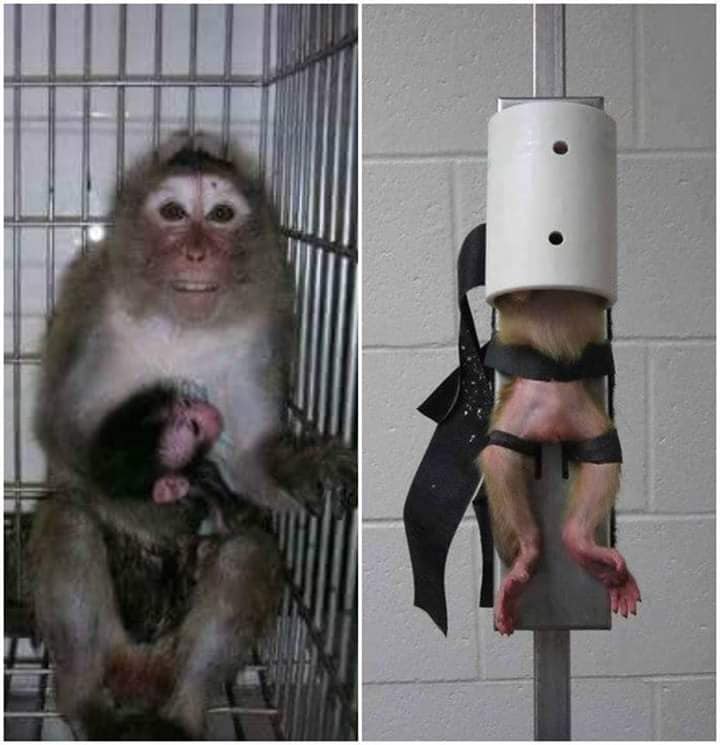
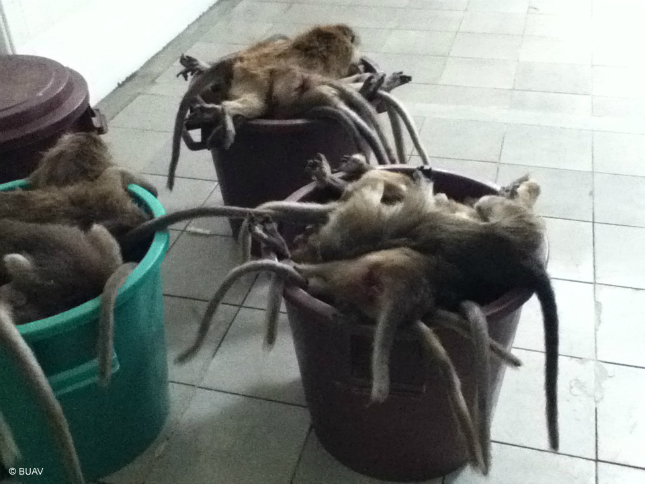
Long-tailed macaques are caught in the wild with traps and penned for mass-breeding in animal factories – a legalized crime. Animals for which there are no consumers, such as big males, are killed and disposed of like garbage.
The breeding establishment Noveprim in Mauritius belongs to 47% of the company Covance. The American company has contract laboratories around the world, including in Münster, Germany.
At Covance in Münster every year about 1,000-2,000 monkeys are killed in painful toxicity tests. The animals are pumped chemicals or drugs into the stomach with a tube or injected into the bloodstream. Eventually the animals are killed.
For many years, the Doctors against animal tests, have together with their European partners launched and supported various protest and letter campaigns from ECEAE (European Coalition to End Animal Experiments).
Posted on July 22, 2019 by Serbian Animals Voice (SAV)
“Being vegan must be so difficult.”…
In reality, taking a few seconds to read ingredients, to look for a brand that doesn’t test on animals, or to find clothing that isn’t derived from an animal is hardly an inconvenience compared to what the animals are forced to endure.
What IS difficult is seeing the dairy industry through the eyes of a female cow: being forcibly impregnated, having your baby taken away and then aching for them, being hooked to a milking machine, and having the cycle repeat until your body physically cannot take it anymore.
What IS difficult is seeing through the eyes of a male calf: being ripped away from your mom, being forced to live chained to a tiny crate and rarely getting exercise, receiving milk replacer instead of your mom’s milk, and being killed at as young as three weeks old for veal.
What IS difficult is seeing the egg industry through the eyes of a hen: having your body manipulated to lay an unnatural amount of eggs, dying from having eggs backed up in your oviduct, having the highest rate of ovarian cancer out of any animal species because your body is overproducing, and being crammed inside a tiny cage with several others while covered in faeces.
What IS difficult is seeing through the eyes of a male chick: being gassed or ground up alive simply because your body isn’t perceived as resourceful to the human species.
What IS difficult is seeing the meat industry through the eyes of pigs, cows, chickens, and other land animals: knowing you are about to die because you can smell the blood and hear the screams of others, being stunned (which usually takes multiple tries), and having your throat slit or being gassed alive, all just so you can wind up on someone’s plate.
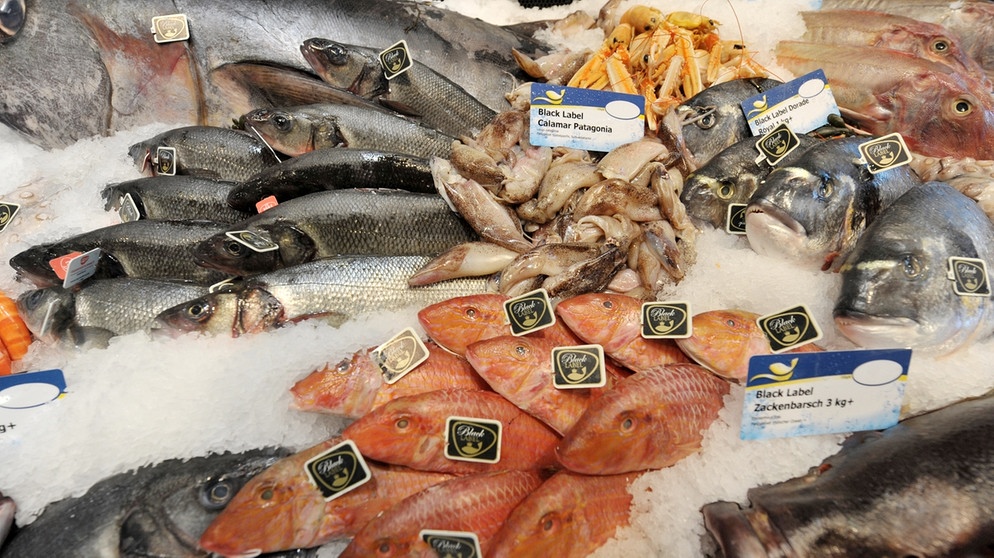
What IS difficult is seeing the seafood industry through the eyes of fish, crabs, and other sea animals: having your gills collapse and your eyes pop out from painful decompression, being suffocated, being crammed in floating sea cages or ponds with hundreds of thousands of others, facing infections and diseases, being starved for days before slaughter, and then being slaughtered, all just so you can wind up on someone’s plate.
What IS difficult is what all non-human animals face under speciesism.
As vegans, all we do is align our morals to include them.
📷 Jo-Anne McArthur / We Animals
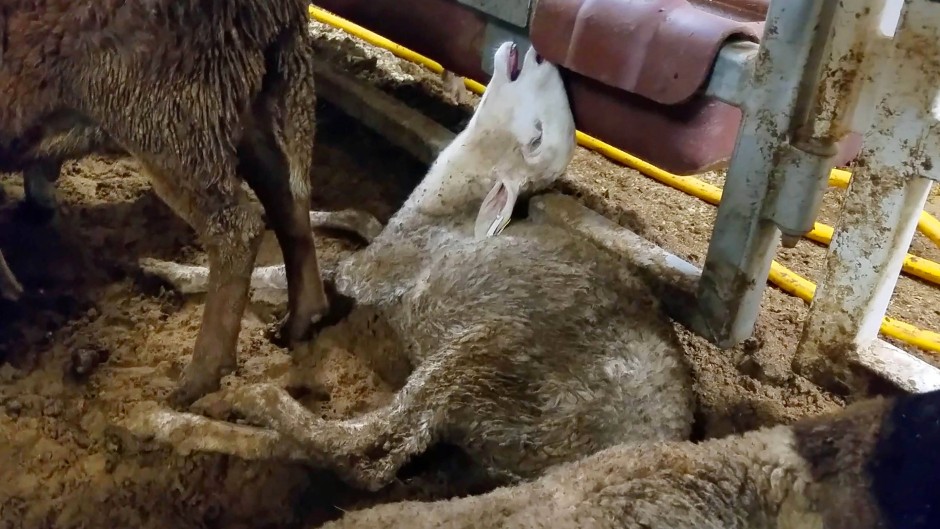
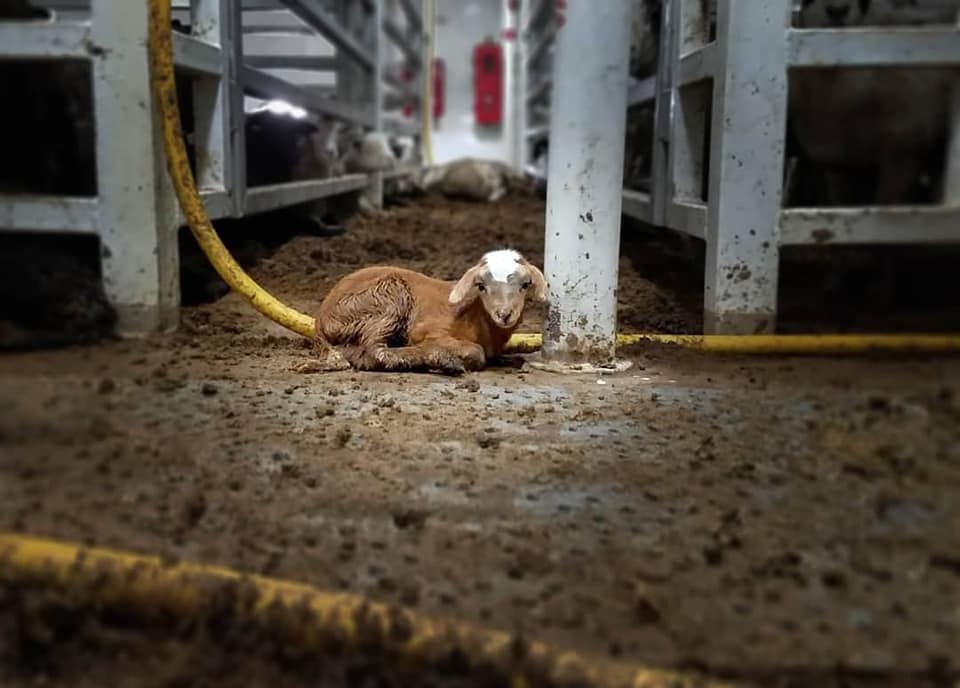
….and when we recall the last journey to the agonizing death of the 70,000 living creatures of “Midia,” not only we find it difficult to accept it, but we find it as a crime against any morality, decency and progress of a civilized society.
What IS difficult is to accept that 7 billion human carnivores are allowed to decide about the life and death of the “other animals”.
Posted on July 21, 2019 by Serbian Animals Voice (SAV)
Update: 21/7/19 2300hrs GMT.
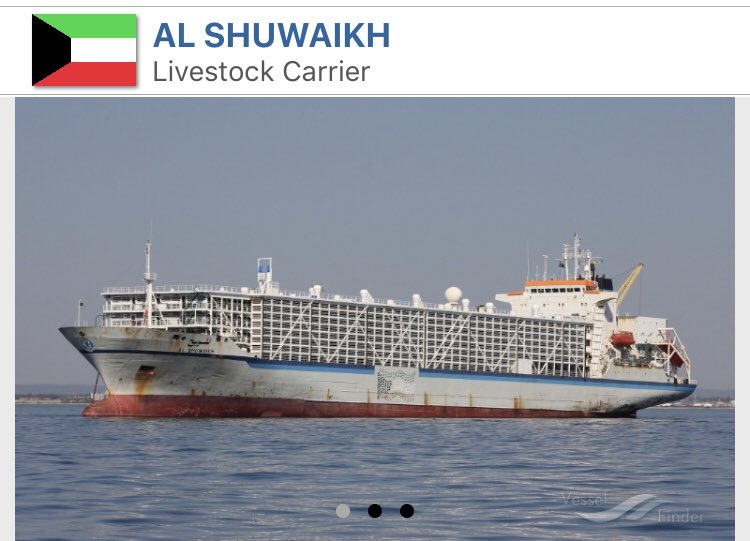
The Al Shuwaikh has now docked in Jeddah port tonight (2330hrs local).
Why ? – A ‘Route Plan’ has to be submitted under EU Regulations BEFORE the shipment can take place. So did the Romanian approved Route Plan always declare Jeddah as the final destination ?, and the ship was simply to return to home base of Kuwait EMPTY from there ?
Now we need to check out the formal Romanian Route Plan to see what the sheep’s final destination actually was – Saudi Arabia or Kuwait ?
The AK could set sail from Jeddah in the next few days, but it does not mean the sheep are on board – it could be returning home empty to Kuwait.
Only the Route Plan approved by the Romanian authorities will declare exactly what the final destination of the sheep was to be. It could have been Jeddah.
So does this from the EU Commissioner make any sense:
On the subject of this weekend’s decision by Romania to go ahead with the transport of 70,000 sheep from Romania to the Persian Gulf, Commissioner Andriukaitis said that the Commission is investigating the issue and that “infringement proceedings against Romania cannot be excluded at this time”.
He said ‘Persian Gulf’ but the plan could have said Saudi Arabia (Jeddah), not Kuwait. The East of Saudi is in the Persian Gulf; so ‘Persian Gulf’ could have actually meant ‘Saudi Arabia’.
But also, the question is – how many sheep have perished under the shipment conditions ?
The Romanians SHOULD have taken the temperatures for the sheep on the journey into account when they were looking at the submitted (but not approved at the time – Route Plan) in ADVANCE of the shipment. Did they ?
We will get the Route Plan in some way now and check out what is says.









 Serbian Animals Voice (SAV)