Uk: More Cruelty at Circus Exposed, and Still the Uk Government After Promises Made Years Ago, Does Not Have the Backbone to Act and Ban Animal Circus Acts

uk


We welcome yet more superb undercover investigations within British circus’ by London based Animal Defenders International (ADI).  ADI have been paramount in the Uk in exposing the abuse of animals kept in travelling circus.  We join so many campaigners here in the Uk in demanding that the Uk government lives up to past pre-election promises, and bans all animals from performing or being kept by any circus travelling and performing in the Uk.

At the end of this post is a ‘Take action’ letter for the attention of Defra.

Please send a copy of the letter to Jim Fitzpatrick at Defra.

Thank You – SAV.
ADI1 

—————————————————————————————– 

Animal Defenders International

Home Page:  http://www.ad-international.org/home/

** Great British Circus abuse revealed ** 

Posted: 19 August 2009. Updated: 19 August 2009

Shocking footage revealed

Animal Defenders International (ADI) has released shocking footage from behind the scenes at the Great British Circus, showing violence and confinement of circus elephants.

**   Watch the video here

**   Watch here on SKYNEWS

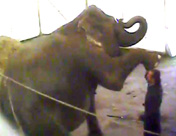
The results of an undercover investigation by ADI shows the animals being hit in the face, being kept chained and barely able to move for up to 11 hours a day, and displaying disturbed, abnormal behaviour.

The circus, which has been touring the UK since February 2009, features two Asian and one African elephant. Despite the Government’s 2006 promise to ban “certain non-domesticated animals” from travelling circuses, Defra (Department of Environment, Food and Rural Affairs) allowed the elephants, Sonja, Vana Mana and Delhi, to be brought into the country by the Great British Circus to tour this year, signalling a major backward step for circus animal protection.

ADI secured footage from a camera concealed inside the elephant tent of the Great British Circus, which shows a staggeringly high level of casual violence in just a few days of observations. Incidences include elephants being hit in the face with a metal elephant hook, a broom and a pitchfork, a worker cruelly twisting an elephant’s tail, and the frightened animals retreating and crying out when struck or hooked.

Jan Creamer, ADI Chief Executive, said: “In the name of entertainment these elephants are beaten, jabbed with hooks, chained up for hours every day, and pushed into a metal box each week where they remain for hours on end whilst the circus moves to another site.” 

“This is an indictment of the circus industry and also the Government who have failed to fulfil their commitment to ban the use of wild animals in travelling circuses, ignoring the evidence and the recommendations of all major animal welfare groups. It is time for the Government to act decisively and end this suffering once and for all.”

The ADI team filmed two elephant hooks being brutally used, a long metal hook was used to hit an elephant across the face during training and a smaller one which was concealed in the palm of the hand and used in the ring, unseen by the unsuspecting audience. ADI footage in slow motion shows how the hook was used on the elephants as they performed and other film shows the elephants reacting and sometimes crying out when the hook is used.

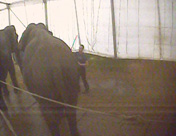
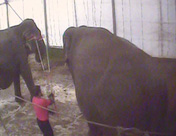
In addition to the casual violence, the elephants were also limited for long periods of the day in a small tent and chained tightly every night for up to eleven hours with only enough room to take one step forward or backwards.

When the circus moved to a new location, the elephants were confined to their cramped transporter and forced to wait until their tent was erected, resulting in many hours being shut away. During the move from Watford to Bushey on 19 July, the elephants were kept inside the transporters for seven and a half hours –though the distance travelled was just five and a half miles.

ADI is also horrified at the level of disturbed, abnormal behaviour exhibited by the elephants such as rocking, swaying and head bobbing. These pointless, repetitive movements often seen in certain captive animals is known as stereotypic behaviour. Sonja, a wild-caught African elephant, was observed for 11 hours and spent nearly 40% of this time displaying stereotypic behaviour, and the two Asian elephants also showed similar movements. Animal behaviourists believe that this shows that the animal is suffering and is not able to cope with its situation.

Over 80% of the public want to see a ban on wild animals in travelling circuses and over 80 MPs signed a motion calling on the Government to ban wild animal acts and to strictly regulate the use of domesticated species. However, the Government has still failed to keep its pledge to ban certain animals from circuses.

Jan Creamer continued: “This latest ADI investigation shows how animals like elephants suffer in the travelling circus. Given the circumstances of constant travel, temporary accommodation and small spaces, the use of these animals in circuses cannot be justified. The public wants to see a ban, Parliament wants a ban, animal protection groups want a ban. Surely, it is time for the Government to take action to stop this suffering right now.”

Ends
ADI2
__________________________________________

NOTES

For further information, contact ADI Press office
pr@ad-international.org

The scientific report ‘Animals in Travelling Circuses: The Science on Suffering’ can be downloaded here:

The full-length video of Stop Circus Suffering – UK is available here:

Findings from an ADI Mori Poll in the UK in 2005 include:

80% say ban all wild animal circus acts and 65% say ban all animal circus acts.
90% against whipping and beating when training circus animals.

In 2006, Ben Bradshaw, then minister for animal welfare at Defra, announced: “I sympathise with the view that performances by some wild animals in travelling circuses are not compatible with meeting their welfare needs. … To provide this clarity I intend to use a regulation under clause 10 of the Animal Welfare Bill to ban the use in travelling circuses of certain nondomesticated species whose welfare needs cannot be satisfactorily met in that environment.” 

According to the IUCN Red List of Threatened Species (2008):
the Asian elephant is listed as ‘endangered’ read more …
the African elephant is listed as ‘near threatened’ read more …

Animal Defenders International (ADI)
With offices in London, San Francisco and Bogota, Animal Defenders International (ADI) campaigns to protect animals in entertainment, replacement of animals in experiments; worldwide traffic in endangered species; vegetarianism; factory farming; pollution and conservation. ADI also rescues animals in distress worldwide. Our evidence has led to campaigns and legislative action all over the world to protect them. http://www.ad-international.org 
ADI3

Elephant keeper sacked

ADI’s shocking footage from behind the scenes at the Great British Circus has resulted in an elephant keeper being sacked.

Read more…

*** Take action: ***  *** Take action: ***

Please write immediately to Jim Fitzpatrick at Defra,
Nobel House,
17 Smith Square,
London W1P 3JR,

asking that the UK government not only honour the promise it made 3 years ago to ban wild animals in circuses, but also extend the proposed ban to include domesticated animals too.

All animals in circuses are compromised by the travelling and temporary nature of the circus, with severe confinement inevitable and physical abuse commonplace. They have no legal protection, as there are no regulations to protect them under the Animal Welfare Act.

Bolivia has recently become the first country in the world to ban the use of both wild and domestic animals and circuses. The UK should follow their lead and implement a ban as soon as possible.

Watch the video here

Watch here on SKYNEWS

Visit the ADI site relating to Animals in Entertainment:

http://www.ad-international.org/animals_in_entertainment/

Serbia: *** Breaking News *** – Leskovac City Commences ‘No Kill Sterilisation’ Programme for Stray and Roaming Animals


Serbian  Flag

We want to share with you, all of our campaigner friends and supporters, what we consider to be some really great news;

Leskovac city in Southern Serbia has informed Serbian welfare campaigners that they are now commencing with a ‘No Kill Sterilisation strategy’ for animals in the city.

Information we have at present is very limited, but it is understood that the no kill sterilisation programme has already commenced and is currently in progress.

We would like to thank the officials of Leskovac city for being so positive thinking and decisive regarding their city future approach to stray and roaming animal management.  We hope that if all reccomendations proposed by the welfare contingent for no kill sterilisation procedures are adopted, Leskovac city will see new stray / roaming animal numbers drastically reduce in the future.  This has always been our policy; no kill sterilisation of older, more mature animals for the prevention of new puppies and kittens being born into a life of hunger, abuse and untold suffering on the streets.

We hope that this programme undertaken by Leskovac city will act as a template for improvements in stray and roaming animal programmes throughout Serbia.

This is great news – and we will provide you with more details as soon as we have them.

SAV.

Global / International: Animal Welfare Petition Links and Free Click Donation Information – Please Free Click and Donate Food to Animals !

For loads of global, International animal welfare petions; please check out the following:

Care2 Animal Welfare Petition link:

http://www.care2.com/causes/animal-welfare/

Go to the lower section of the page and make sure you give a click on each of the ‘Free Click’ appeals.

Each click helps to buy a bunch of grapes and other food for the primates in the Jane Goodall Institute, or provides help with food and campaigns for big cats, animal welfare societites and seal hunt campaigns.

It only takes a few minutes to click and support each of the animals in need – 5 minutes of the day spent so well !

Please support the petitons and ‘one click’ freee donation appeals as much as you can.

Thanks – SAV

Japan: Annual Dolphin Slaughter Video Footage – and ask Australian Broome City Council to Suspend Sister City relationship With Japan (Taiji City) Until THE KILLING STOPS !

Japan


****** UPDATE / CORRECTION ******

E mail contact details revised 17/08/09 – please try again if you have previously experienced trouble sending mails.  **************

WARNING – GRAPHIC VIDEO FOOTAGE – BUT PLEASE WATCH, EVEN IF ONLY ONCE – SAV

Dear all

Following my previous email re: action against slaughter of dolphins in Japan, I am including the video. It shows the whole barbarism of this “ritual”

http://www.youtube.com/watch?v=VkgCTDqQYBE&feature=related

-Teresa

**********************************************************************

“About 23,000 dolphins and porpoises are being slaughtered each year and their meat, containing toxic levels of mercury, is being sold as food in Japan, often times labelled as whale meat. The majority of the world is not aware this is happening. The Taiji cove is blocked off from the public. Cameras are not allowed inside and the media does not cover the story. It’s critical that we get the word out in Japan.  It’s critical that we get the word out—everywhere.  We believe that once the Japanese people know, they will demand change.”

·  The dolphins are killed in a secluded cove three hours south of Osaka. The slaughter is hidden from public view with tarps and nets. Access is blocked by steel gates, barbed wire, razor ribbon and guards.

·  Only a few people, 26 fishermen, are actually involved in the drive in Taiji.

·  Migrating dolphins and porpoises are rerouted by 13 fishing boats. They become disoriented when the fishermen bang on long, metal pipes that have been lowered into the water, eventually getting herded, then sealed into the cove by drawn nets across the entrance.

·  The Taiji dolphin slaughter season is from September 1st until April 30th.

ACTION

1) Please sign the letter:

http://thecovemovie.com/what_can_you_do/letter_writing.htm

2) Please contact Australian Broome City Council as they are the Sister City of Taiji and

ask that they suspend their sister city relationship until the killing stops.

BLOCK e Mail Council contact list:

 councillor.mitchell@broome.wa.gov.au
Cr Graeme Campbell
Shire President
Ph: (08) 9192 1366
Mob: 0407 477 544
Fax: (08) 9193 5854
 
Cr Chris Mitchell JP
Deputy Shire President
Ph: (08) 9192 2450
Mob: 0407 773 258
Fax: (08) 9192 2451
councillor.mitchell@broome.wa.gov.au
 
Cr Michael Albert
Ph: (08) 9193 5765
Fax: (08) 9192 2436
councillor.albert@broome.wa.gov.au

Cr Chris Maher
Ph: (08) 9193 7316
Mob: 0418 905 244
Fax: (08) 9193 5244
chris@arthousebroome.com

Cr Robert Lander
Ph: (08) 9194 1021
councillor.lander@broome.wa.gov.au

Cr Nik Wevers
Ph: (08) 9192 1170
Mob: 0417 998 598
Fax: (08) 9192 6606
nikwevers@bigpond.com

Cr Peter Matsumoto
Ph (08) 9193 7304
councillor.matsumoto@broome.wa.gov.au

Cr Elsta Foy
Ph: (08) 9192 1739
Fax: (08) 9192 1739

Councillor.foy@broome.wa.gov.au


With enough pressure the September slaughter might be stopped. Please act today!

For more info and action pls visit:

http://www.savejapandolphins.org

http://thecovemovie.com

http://www.opsociety.org

Thank you for caring

Teresa

EU Censures Romania and Bulgaria For Corruption, But One Year On, What, if Anything, Has Changed Regarding EU Animal Welfare Policy There ?

EU AW LOGO


RMNA0001

EU Censures Romania, Bulgaria For Corruption, Withholds Funds

July 23, 2008

By Ahto Lobjakas

BRUSSELSA series of reports released by the European Commission sharply criticize the EU’s newest members, Bulgaria and Romania, for high levels of corruption. The situation is especially stark in Bulgaria, where the EU has suspended some aid payments, arguing the authorities there have failed to prevent large-scale fraud or prosecute the perpetrators.

The gist of the European Commission’s message to Bulgaria and Romania is that there is no properly functioning rule of law in either country.

However, the commission only decided to apply sanctions against Bulgaria, where there is a real risk that hundreds of millions of euros in EU aid money will be siphoned off by corrupt officials with links to organized crime.

“Right now, Bulgaria is experiencing difficulties in certain programs and has to demonstrate that sound financial management structures are in place and operating effectively. We are talking about taxpayers’ money here,” European Commission spokesman Johannes Laitenberger said in announcing the commission’s decision to freeze more than 500 million euros ($787 million) in EU assistance.

It is the fact that what is at stake in Bulgaria is EU taxpayers’ money that makes the issue very sensitive for Brussels. Public confidence in the EU has been low in many member states for a number of years. Many blame the EU’s various woes on enlargement and, as a result, attempts to revitalize the bloc have suffered a series of defeats at the hands of disgruntled electorates.

At this stage, the commission’s decision amounts to little more than a warning shot across Bulgaria’s bows. The funds affected are a spillover from the preaccession period and Sofia has until the end of 2009 to claim most of them.

But Sofia will be equally aware that Brussels will be keeping a sharp eye on the billions of euros in aid earmarked for Bulgaria between 2007-13 in full-fledged EU support as a member state. The so-called structural funds alone are worth nearly 7 billion euros ($11 billion).

Reflecting the political sensitivity of the issue, the commission’s final report on Bulgaria omitted some of the tougher language contained in earlier, leaked drafts. Thus, for example, the final document no longer says Bulgarian authorities must “cleanse” their ranks.

The commission also decided against recommending broader sanctions available to it, such as denying EU-wide recognition to Bulgarian court decisions. There is concern in Brussels that isolating Sofia may actually exacerbate its problems.

However, the overall verdict on Bulgaria is bleak. The bare bones of the rule of law are in place in the country, but, as spokesman Laitenberger said, there are few results to show the system works.

Romania Better, But ‘Fragile’

Romania is in a slightly better position. At least in the view of the European Commission, its problems are mostly limited to corruption without involving a massive infiltration of government structures by organized crime, as in Bulgaria.

“Overall, the situation in Romania is a mixed picture,” commission spokesman Laitenberger said. “The fundamental elements of a functioning system are in place, but the foundation is still fragile and decisions on high-level corruption are still too politicized. Commitment to reform by Romania’s key institutions and bodies is still uneven. While progress on judicial reform has been made, there is a need for the system to show there are penalties for high-level corruption.”

Laitenberger said the European Commission will revisit the situation in Romania and Bulgaria next year.

He also rejected suggestions the EU made a mistake in 2007 by admitting Bulgaria and Romania in what has now turned out to be an unfit state for membership. Laitenberger argued that the “picture is a mixed one” in both countries and suggested their early EU membership has benefited both the bloc and the two countries themselves.

“This is not a report about the situation of Romania and Bulgaria all across the board,” Laitenberger said. “When the decision for enlargement was taken, the member states and the commission were fully aware that certain issues remained, and it was everybody’s conviction at the time that the best way forward, the best momentum forward, would be to address these issues after membership.”

Laitenberger concluded that the EU’s enlargement remains “a success.”

But this view was not shared by the European Parliament’s conservative European People’s Party faction. The EU’s largest political grouping issued a statement saying Bulgaria has “completely failed” to honor its commitments to the EU. The statement also warned Sofia of growing distrust among other EU governments and investors, predicting the country will have problems joining the EU’s borderless Schengen space and its common currency, the euro.

Elmar Brok, a senior German Christian Democrat deputy and a former head of the European Parliament’s Foreign Affairs Committee, said the situation in both Romania and Bulgaria “has become worse rather than better” since their accession to the EU.

Source / Link :

http://www.rferl.org/content/EU_Censures_Romania_Bulgaria_For_Corruption/1185730.html

And July 2009; the latest animal welfare news from Romania is:

31/07/09

Bra1

bra2

bra5

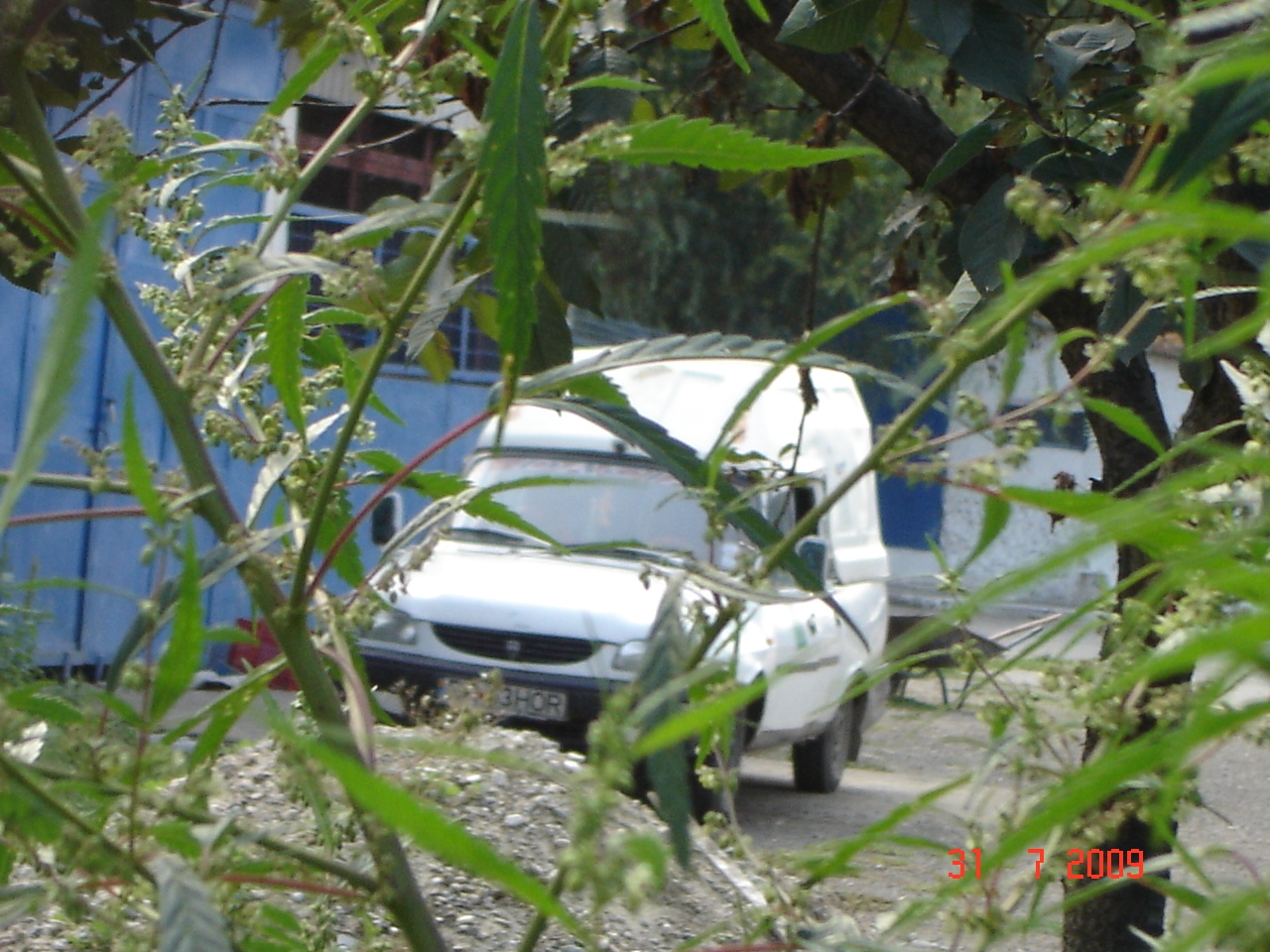
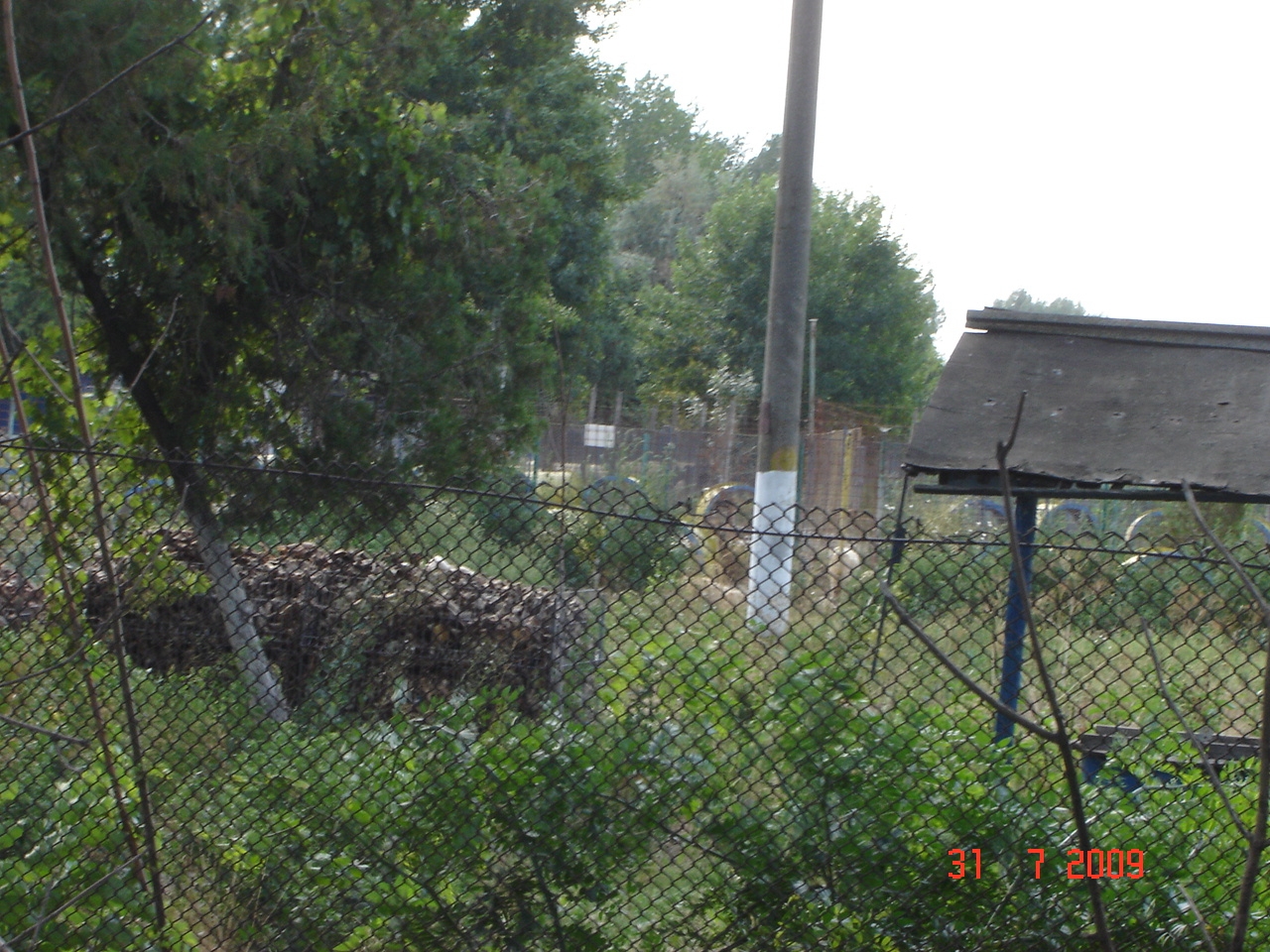
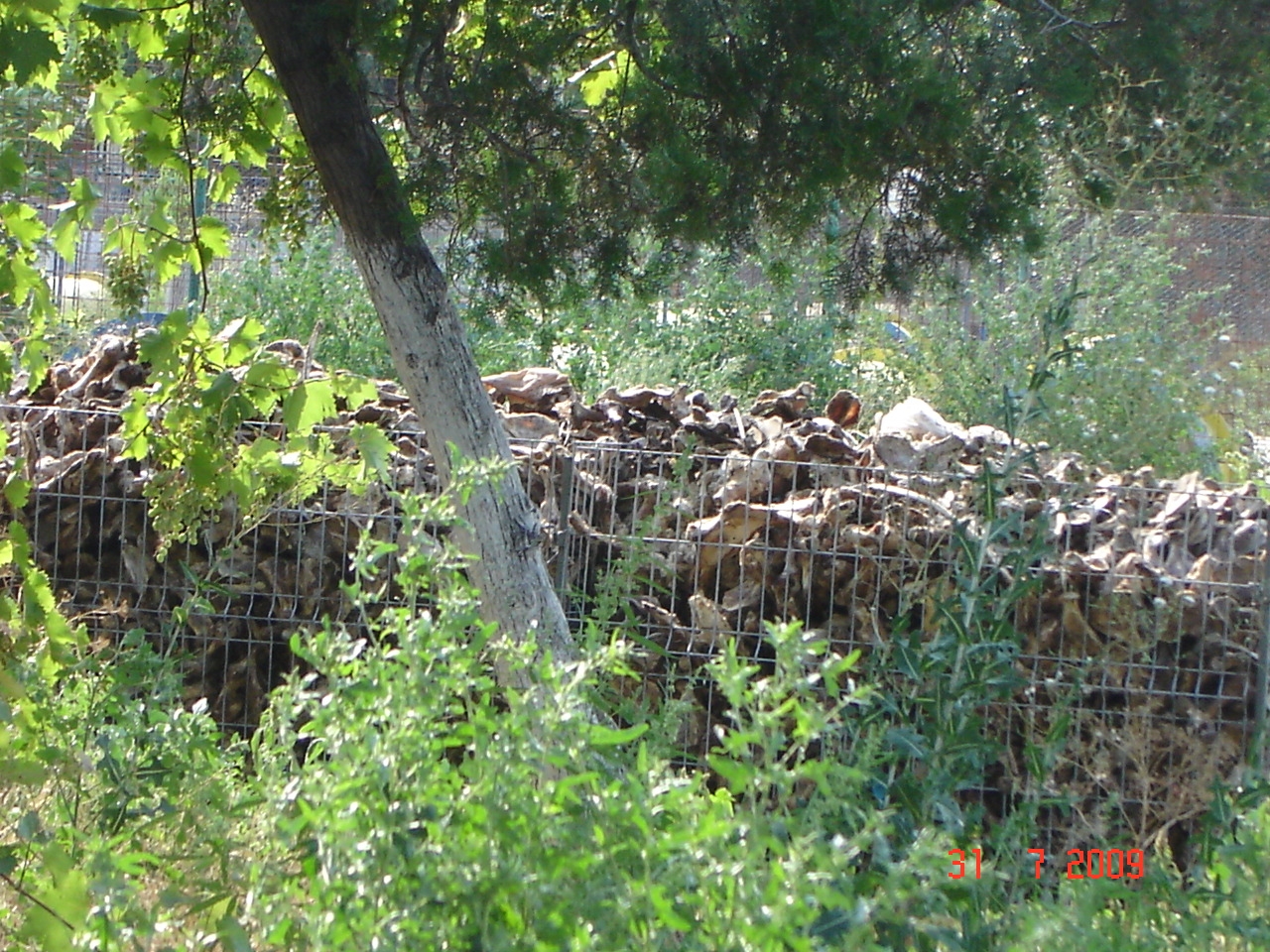
In pictures: Dog food and dog water in the public shelter of Braila – run by a NGO for ‘animal protection’ (NGO APAM Horez) that drains hundreds of thousands of euros from the local budget since 2006, and their dog management method consist exclusively of dog poisoning and dog culling.  

Must add that since Jan 2008 the animal welfare law bans the euthanasia of healthy animals.

The dogs which are released from the dogpound against a fee of over 30 euro are not altered and not vaccinedFor 30 euro you can get a female dog spayed here.

For some elderly people, 30 euro is nearly half the monthly pension.

Yesterday a local paper published an article of a dog owner (journalist) whose 11 year old was taken by dogcatchers, they refused to release the dog the same day, and next day he didn’t find the dog in the dogpound. 

The explanation: the dog ‘escaped’.

This horrible situation ilustrates the corruption – specific brand for Romanian authorities.

Since 2006 we have countless complaints submitted to the police, the sanitary veterinarian authority, the prosecutors, the courts.

All are blocked or the solution ignores our statements, law provisions, a mockery.

bra3

bra6

bra4

We have many cases to speak about, and this scandal must get to the European institutions.

If you can recommend some influential animal lovers, we can provide lots of documents and information about the street dog (profitable) business on public money in Romania.

http://www.protectiaanimalelor.ro/dogs/dogs_braila.html

Daniela Dragomir

FRPCA

bra7


*** SAV Comment:  ***

SAV is a pro-Europe organisation.  The philosophy of a united EU state is, in our opinion, a good one in principle.

BUT, it has always been our attitude that the EU (existing member states) should ensure that future nations requiring EU membership (Transistion) should clearly show better animal welfare legislation enforcement, and better respect for animals and their welfare BEFORE they are allowed to become (EU) member states.

When this approach has been suggested to EU MEP’s, we have often been told that once a nation becomes a member state of the EU, it will have to rise to the standards expected of being an EU state.  This raising of standards we are told, will include animal welfare.

What is happening in Greece, Spain, Romania, and other current EU member states regarding animal welfare ?

Bulgaria and Romania, both clearly now now high levels of corruption EU member states, appear to wish to still do their own thing and have their own rules when it comes to how the ‘national system’ works.  Two fingers to the EU one could say, but we will take your aid Euros thank you.

We have always expressed our opinion that Serbia and other Balkans states aiming for EU membership should get their house in order before being allowed to join the union, rather than the ‘well maybe they will act when they join’ attitude which appears to be coming out of Brussels, but which as the above article shows, is obviously not working.

What transistion member states will be next in line to join the corruption bandwagon ? – we suggest maybe Serbia, certainly if animal welfare is anything to base an assumption on.

One has to ask in what direction Europe is now heading – downwards with corrupt new member states, or attempting to withold responsible legislation as was the case with many older, western founder member EU nations.

Time will tell; history will be our judge, we can do nothing but continue to expose the corruption and animal abuse and suffering which goes on in both EU and non EU states.

But for Brussels to live in the clouds with the fairies thinking that ‘EU membership’ ensures that every member nation plays by all the legal rules, is, well, yukspeak to say the least.

Western europeans are angry with EU attitude and policy now, and that includes the issue of animal welfare, or lack of in many EU (and non EU) states.  Rather than blabble out words with no real meaning, we want to see the EU act and enforce EU wide legislation, and strict legislation, for the welfare of animals.

Otherwise, one could say, the entire union is heading in the direction of Romania, dragging us all down to a lower lever rather than acting to improve standards.

Serbia: Campaign to Save Flora and Fauna at Stara Planina

Serbian  Flag


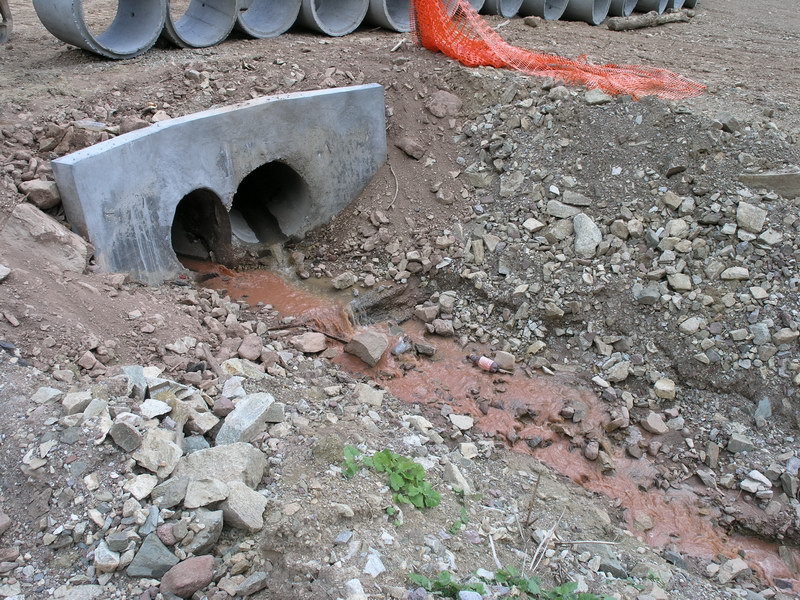
As we have previously stated on other posts, at the moment we are now devoting some of our time and efforts into supporting our Serbian campaigner friends who are trying to stop mass environmental destruction within their country,

Information and pictures relating to Serbian environmental issues can be seen on some of our previous posts:

https://serbiananimalsvoice.wordpress.com/2009/08/09/serbia-more-major-environmental-destruction-planned-your-help-needed-to-raise-global-awareness/

https://serbiananimalsvoice.wordpress.com/2009/08/12/serbia-environmental-destruction-at-babin-zub/

https://serbiananimalsvoice.wordpress.com/2009/01/15/serbia-beautiful-environmental-region-of-serbia-to-become-ski-centre-please-read-and-take-action/

https://serbiananimalsvoice.wordpress.com/2009/06/24/serbia-please-give-your-petition-support-to-save-serbian-beautiful-river-rzav-from-government-and-industry-abuse/

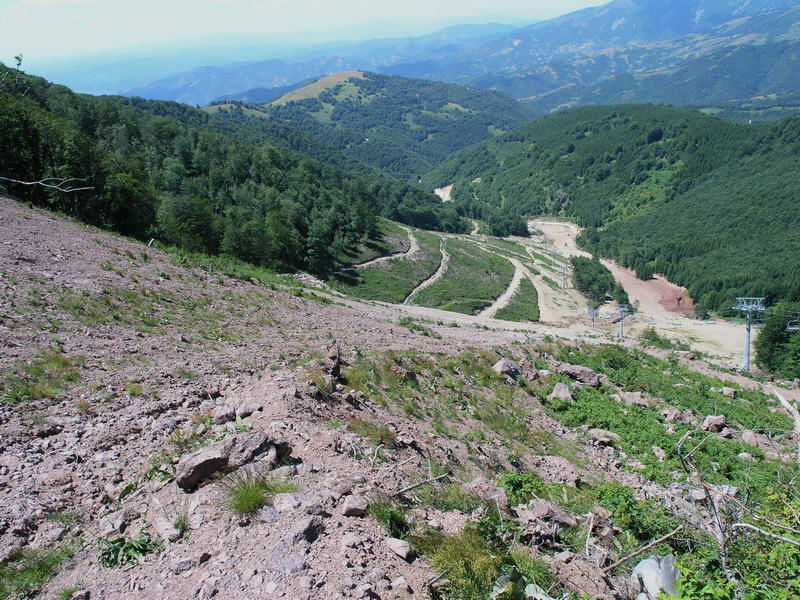
Now we move back to Stara Planina, where the government is attempting to turn beautiful mountain regions into a ski playground.

Below is a Google Earth image of the current destruction.

Stara Planina Google Earth

Please view the following link for more pictures:

http://www.stara-planina.net/pictures.html

Please watch the excellent video below to obtain more information:

Take special note of the ‘conflict of interests’ detailed at 4 minutes 20 seconds into the video.

http://ca.youtube.com/watch?v=bqESCXihr0Q

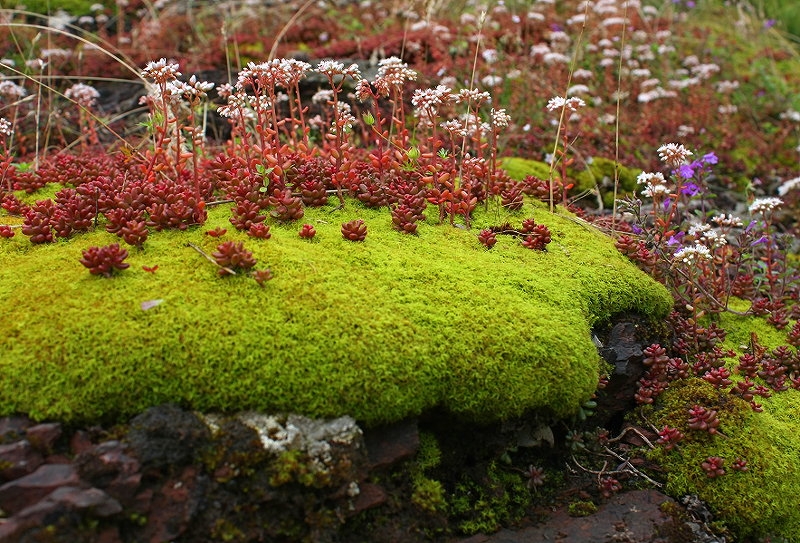
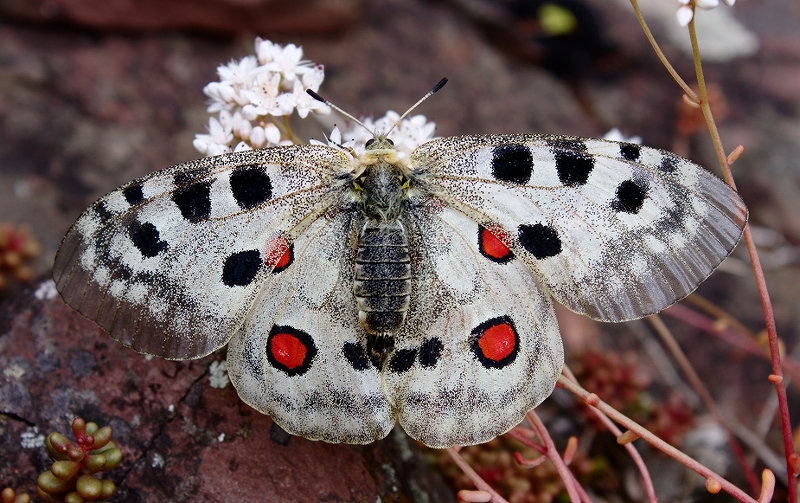
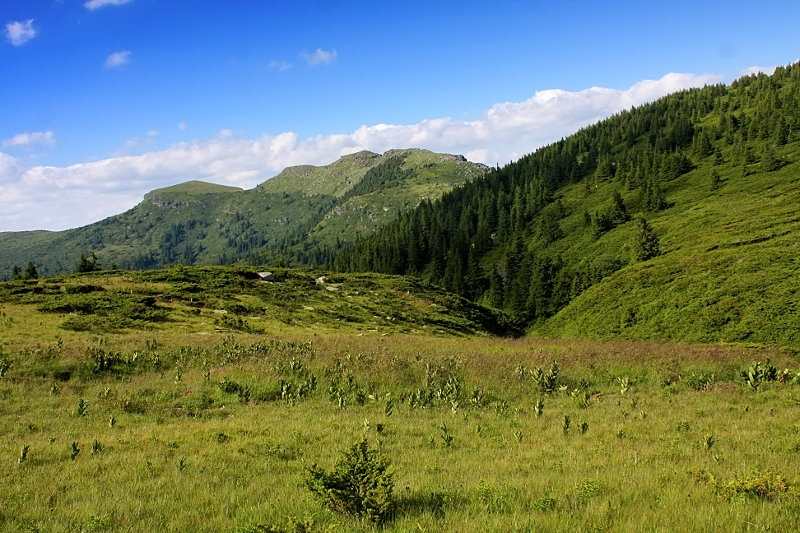
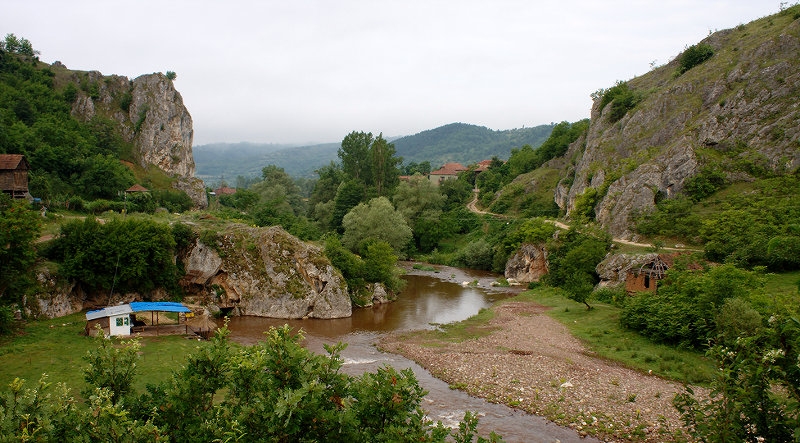
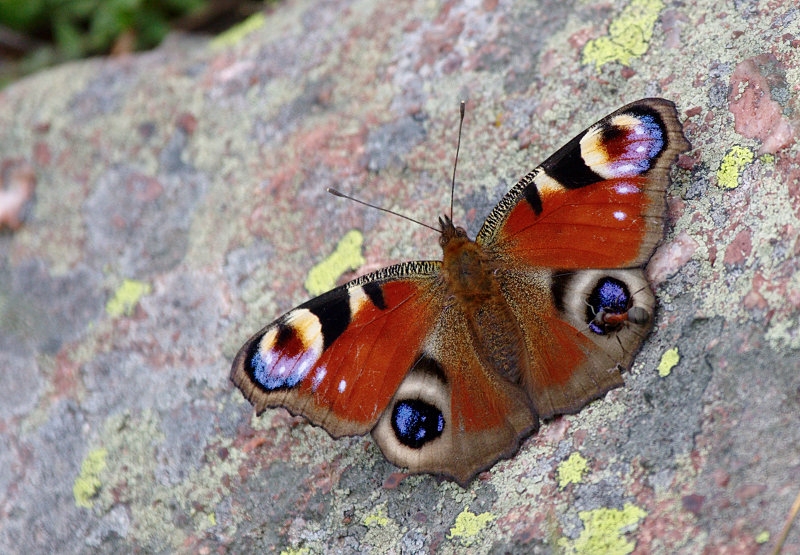
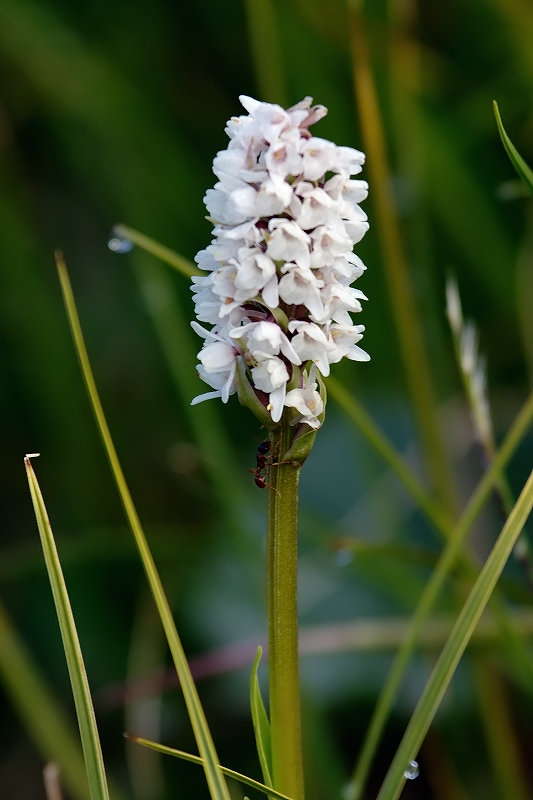
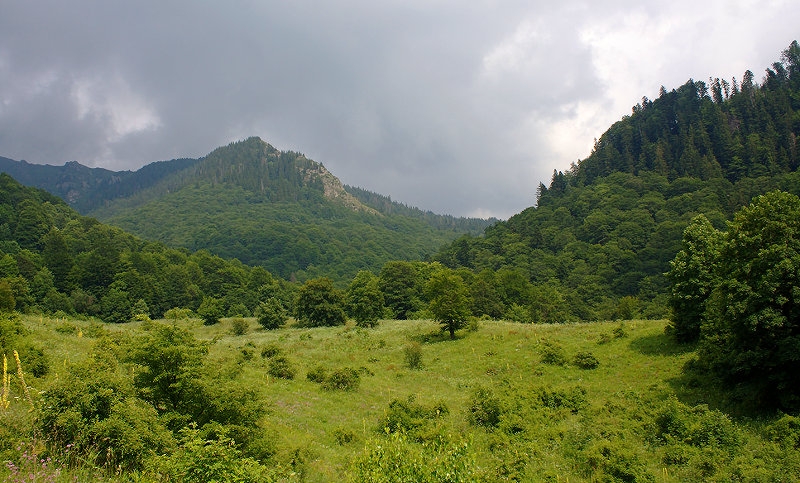
Below is the latest selection of stunning photographs of the biodiversity of the region which have been supplied to us.  Biodiversity which has taken millions of years to evolve, now being destroyed within months at the stroke of a pen by political wish.

The next stage of direct campaigning, which we hope all our global friends and supporters will be able to take part in, is currently in the ‘development’ stage.  As soon as the campaign is ready, we will provide full details on this site as to how you can help.

Meanwhile, enjoy the beautiful pictures of an existing ecosystem which is now rapidly being destroyed on a daily basis.  For what ? – money; the root of all evil !

We know you will agree with us – this IS one campaign that needs immediate attention – for the animals of the region and the flora of the region.  When it (they) have been destroyed, they will never return.  And that threat calls for action by whatever way we can undertake it.

http://video.google.co.uk/videoplay?docid=-6780866119360461696&ei=yk-QSqbXIMOG-Qahj_iUAg&hl=en

SP1

SP2

SP3

SP4

SP5

SP6

***************************************************************************

BEING DESTROYED AND CHANGED TO THIS

BZ24 

******************************************************************************

SP7

SP8

SP13

SP9

SP10

***************************************************************************

BEING DESTROYED AND CHANGED TO THIS

BZ16

******************************************************************************

SP11

SP12

SP14

SP15

SP17

***************************************************************************

BEING DESTROYED AND CHANGED TO THIS

BZ19

******************************************************************************

SP18

SP19

SP20

SP21

SP22

***************************************************************************

BZ22 

PLEASE …………………..

Planina

SPREAD THE WORD …………………………..

SP7

SAVE STARA PLANINA FROM DEVASTATION – NOW !!

http://video.google.co.uk/videoplay?docid=-6780866119360461696&ei=yk-QSqbXIMOG-Qahj_iUAg&hl=en

*** Please Click on the following image:  ****

save stara planina

Australia: Maybe Some Just Get a Kick Out of Animal Killing ? ! ?

australia


http://www.portlincolntimes.com.au/news/local/news/general/pigeon-cull-at-silo-site/1595017.aspx

Pigeon cull at silo site

SOPHIE WANDEL

12/08/2009 11:30:00 PM

PIGEONS might be dropping out of the sky around Port Lincoln but it is just part of an annual cull conducted by ABB Grain.

ABB has a procedure to control pigeons at all of its sites in South Australia and western Victoria, which is ongoing throughout the year.

The procedure includes deterring, trapping, storing or destroying pigeons in a way that minimises stress to the birds and also complies with guidelines set out by the RSPCA.

Port Lincoln RSPCA shelter manager Narelle Biddell said this latest cull involved poisoning the pigeons, which was considered humane, and generally the pigeons would die around the ABB site.

She said poison was put in the grain, which the birds ate and in turn euthanised them.

People should not be alarmed if they noticed a few dead pigeons around town she said, because the cull was controlled.

“Occasionally one bird might not eat enough grain and it will take a bit longer to die and it will fall somewhere else.”

Ms Biddell said this type of cull would continue until the end of the month.

A spokesperson for ABB Grain said pigeon control procedures put in place at the ABB site in Port Lincoln had proven effective.

The spokesperson said this was evidenced by the lack of pigeons in the town and ABB’s ongoing program of controlling flocks so they don’t become a nuisance.

“Trapping and precision shooting with air rifles are the preferred measure for controlling the pigeon population,” he said.

ABB had several other ways in which it minimised pigeon populations such as restricting roosting sites and maintaining good hygiene.

****************************

Pigeon

*** SAV Comment ***

Maybe some people just love killing animals and continue to learn nothing as a result !

If “ABB has a procedure to control pigeons”, then it is obviously not working if it has to be continually undertaken ! – we suggest that ABB need to carefully look at their practices of pigeon population control methods again.

Over the years, certain members of SAV have been very involved with attempts by councils, townships and cities to reduce the numbers of pigeons in their area.  We (pre-SAV) have worked with a superb Uk based organisation called PiCAS – the Pigeon Control Advisory Service.

http://www.picasuk.com/about_picasuk.html

PiCAS was orginally established by a man who became a great friend of Mark (SAV), a chap by the name of Guy Merchant.  Using Guys expert advice, back in the late 1990’s, Mark was able to take on and prevent the culling of pigeons by the Council in his own home town in Kent, England.

Deservedly, PiCAS has flourished over the following years to become the greatest pigeon control advisory service on the planet.  PiCAS is now divided into two prime operating sections:  PiCAS Uk and PiCAS International.

For detailed information about PiCAS International, which totally promotes humane, effective and sustainable bird control systems, please visit:

http://www.picasuk.com/picas_international.html

The PiCAS Uk site can be visited via the following link:

http://www.picasuk.com/about_picasuk.html

With reference to PiCAS, the following is taken from their site concerning lethal methods of bird control, which can be dangerous or even deadly to other animal species.

By working back in the 90’s with expert Guy, Mark learned many things about humane pigeon control; but the one that stood out was that by killing birds in an effort to reduce their numbers in an area, councils etc make the mistake of killing off only the weak and vulnerable birds.  The strong and fittest survive, those being the same birds which are able to reproduce most easily and produce more offspring, thus actually increasing the numbers of birds in any given area within a very short space of time.

Lethal bird control does not reduce bird numbers, it INCREASES them !!

This was proven by the City of Basel, Switzerland in the study undertaken by Weber and Haag.  http://anatomie.unibas.ch/IntegrativeBiology/haag/publications-haag.html

In Basel between 1961-1985, approximately 100,000 pigeons were killed by the inspectors of Basel.  The measures had no long lasting effect on the population.  The result of the investigations found that killing pigeons only rejuvenates the flock and has no long term effect on population.

Scientific research* and research carried out by the PiCAS Group has proven, conclusively, that all lethal methods of pigeon control are totally ineffective in the medium and long-term reduction of pigeon numbers.  The same applies to the control of virtually every other species of wild bird.  In areas where lethal control operations have been carried out there will be seen to be an initial short-term reduction in numbers but, within a matter of weeks, pigeon numbers will have increased back to the pre-cull figure and in most cases will have exceeded it. This is because killing adult pigeons in a feeding flock favours younger birds that would otherwise have a poorer chance of survival. Many older non-breeding birds are removed during these culling operations and the younger healthy breeding stock remains in situ and thrives as a result.

* Regulation of the street pigeon in Basel by Daniel Haag-Wackernagel, 1992 

The main problem usually associated with pigeon population problems are ………… Humans.  They eat on the streets, throw down unwanted food (pies, bread, rolls, crumbs etc) – an open menu to hungry pigeons scouring any area for something nice to eat.

If you don’t want pigeons in your town or city, then start by getting humans to clean up their eating and waste disposal act !!

———————————————

Lethal Bird Control (Culling)


The bird control services listed below are considered to be industry standard and are commonly recommended by commercial pest control contractors.


Poison Bait   Shooting
Cage Trapping   Bird of Prey   Case Study

Poison Bait

The use of poison bait (sometimes known as narcotic bait) is strictly controlled by DEFRA / Natural England in the UK and the criteria for its use is extremely strict.  A specific licence must be applied for in respect of each application and the only body that can approve and provide a licence is DEFRA or Natural England. Poison was used extensively throughout the UK in the 1960’s and 1970’s but due to the cruelty involved with its use licensing criteria became even stricter. Now it is rarely if ever used in the UK and Natural England confirmed to PiCAS UK, in late 2007, that few if any licences have been issued in the last 2-3 years. This is because the applicant must be able to demonstrate that the use of the poisoned bait will not cause unnecessary suffering to the target species. This is not possible, irrespective of how the poison is used.

The most common poison used for this purpose is a product called Avitrol, a poison which is used extensively in America. Even though America has extremely relaxed animal protection laws relative to the UK, its use is still highly controversial. Although the manufacturer suggests that the poison is a “chemical frightening agent” only, and that there will be “some mortality” associated with its use, in reality it is a mainstream poison that kills virtually every bird that takes the bait.

The target species is fed untreated grain in a secluded area for approximately 7 days and on the 8th day the untreated grain is substituted for grain treated with Avitrol. The client is told that the birds which have ingested the bait are then caught by the contractor and humanely killed; this is not the case. Once ingested the bait causes convulsions in the bird concerned and it dies a long and agonising death. The sight of a bird dying of Avitrol poisoning is a deeply distressing spectacle.

Not only does Avitrol kill the target species, it also has the potential for secondary poisoning. If a pigeon or gull that has been poisoned as part of a pest control operation is taken by a domestic cat or a protected bird of prey, the results can be lethal for the predator concerned.

A good example of this is in the

**************  city of Melbourne, Australia where two established breeding pairs of peregrine falcons were poisoned having taken a poisoned pigeon that had ingested a product such as Avitrol (the peregrine is the natural predator of the pigeon). There was public outcry when these much-loved birds (and their young in the nest) died.  **********************

This is the reality of poisons – they are indiscriminate. This barbaric method of control is inefficient and ineffective and should never be considered as a control option. Anybody that is offered this service by a pest control contractor should confirm that the contractor is bona fide and contact DEFRA or Natural England to confirm whether a licence application has been made.

There are serious legal implications for anyone found using poisons without a licence. Further information on the legality of lethal controls and where and when they can be used can be found on The Law page.