Posted on March 21, 2020 by Serbian Animals Voice (SAV)
Celebrities Ricky Gervais and Peter Egan join campaigners in calls for Indonesia to close down its Live Animal Markets
Wednesday, 18 March 2020
As the coronavirus COVID-19 continues to cause global chaos, sickness and fatalities, and Indonesia reports its first human infections, international and Indonesian celebrities join forces with campaigners from the Dog Meat Free Indonesia coalition to call on the Indonesian government to take action to close its cruel and filthy live animal markets to safeguard human and animal health and welfare.
18th March, Jakarta: Celebrities Ricky Gervais and Peter Egan have joined the Dog Meat Free Indonesia (DMFI) coalition in their calls on President Joko Widodo (Jokowi) to take action to close the country’s macabre live animal markets amidst the growing global health crisis.
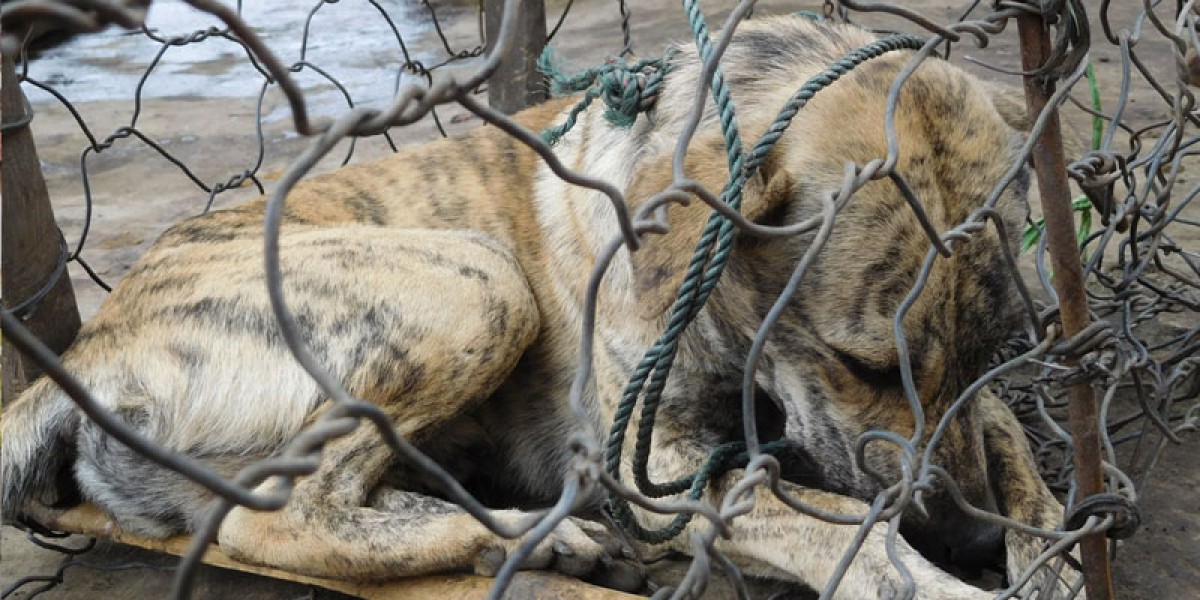
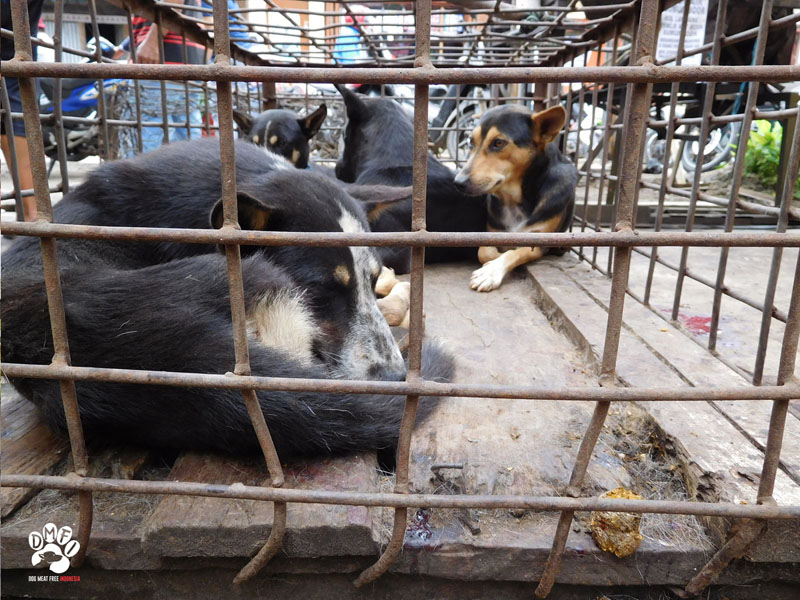
Whilst the virus is now known to have originated from the Huanan Seafood Wholesale Market in Wuhan, China, where a huge variety of wildlife species were being sold alongside dogs and other domesticated animals destined for human consumption, campaigners warn that these types of gruesome markets are still rife in many parts of the region, including Indonesia.
The DMFI’s latest campaign supported by international and Indonesian celebrity ambassadors is committed to raising public and political awareness of the unsanitary conditions in these markets, that, together with the contamination risks of having so many animal species caged and killed alongside one another, present the perfect breeding ground for new and deadly diseases. The World Health Organization (WHO) states that 70 per cent of global disease-causing pathogens discovered in the past 50 years came from animals, and COVID-19 is no different.
In the video released by the DMFI coalition today, actor and comedian Ricky Gervais warns, “It’s not the first time a terrible disease has started because of people eating things they shouldn’t. I mean this one comes from eating pangolins. Pangolins! Stop eating everything that moves! It’s going to kill us all!.”
Campaigners warned President Jokowi in an open letter in January of the grave dangers of the country’s live animal markets and unregulated trade in wildlife, and called for “preventative and proactive measures to make sure Indonesia is not the next point of origin of a deadly virus.” The authorities in Indonesia are finally starting to feel the pressure after announcing the country’s first cases of the deadly disease on the 2nd March, with the numbers of infections on the archipelago steadily rising in the world’s fourth most populous country, and with the French Prime Minister calling it the “biggest health crisis in a century”.
Other countries affected by the deadly outbreak have already started to adopt landmark measures to tackle the source of the virus. Following a temporary ban in January, on the 24th February, China approved a landmark proposal which prohibits “the illegal wildlife trade, abolishes the bad habit of overconsumption of wildlife, and effectively protects the lives and health of the people”; and on the 26th February, China’s fifth largest city, Shenzhen, proposed legislation with the additional measure of a city-wide ban on the consumption of dogs and cats, to reflect the special relationship between people and domesticated companion animals, which it has called the “consensus of all human civilisation”. On the 9th March, the Prime Minister Nguyen Xuan Phuc of Vietnam ordered the Ministry of Agriculture and Rural Development to submit a directive for a ban on wildlife trade and consumption by the 1st of April. The DMFI campaigners hope that Indonesia will follow their example.
“The coronavirus outbreak has not only exposed the huge public health risks associated with live animal markets, it has also shone the global spotlight on the horrors of these animal markets and trades.Finally, governments are realising that they cannot keep these cruel and unregulated trades and practices alive and also keep their citizens safe, and we urge Indonesia to take similar urgent actions. Populations of protected species of wildlife are being decimated, companion animals are being stolen, and every month, tens of thousands of animals are illegally transported into, and slaughtered in, densely populated cities to supply the demand for dog, cat and “exotic” meat,” explains Lola Webber, co-founder of Change For Animals Foundation and co-ordinator for the Dog Meat Free Indonesia coalition.
Posted on March 21, 2020 by Serbian Animals Voice (SAV)
USDA (U.S. Department of Agriculture) inspectors found numerous troubling animal welfare violations, including housing monkeys separately in barren cages and allowing them to suffer from untreated medical conditions.
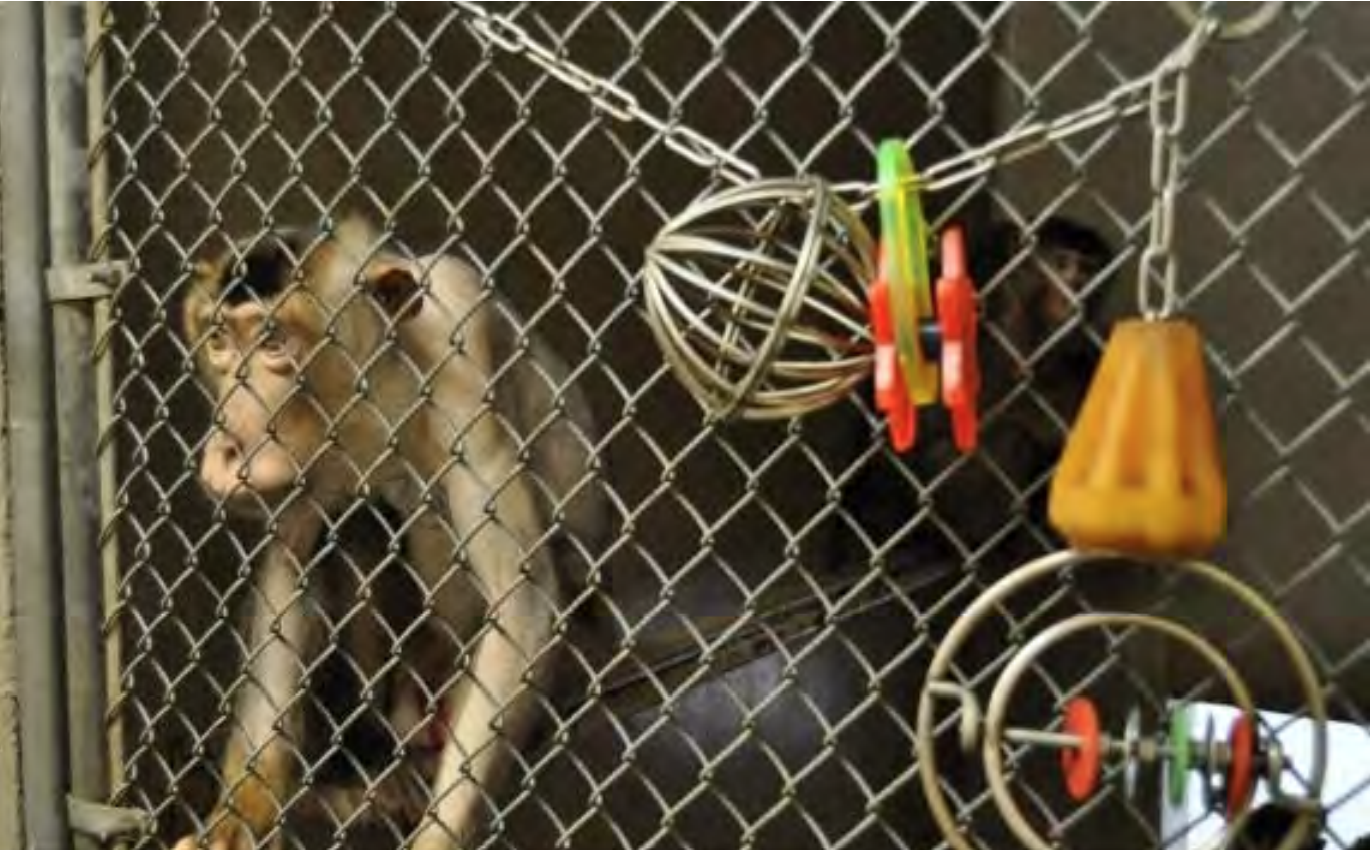
This monkey is overweight and has severe alopecia. Inspectors noted that JHU had no plan to treat either problem—she was simply left to suffer with her baby in a barren cage.
Monkeys, normally gentle, social animals, were kept separated, alone in empty metal cages barely large enough for them to turn around in, with nothing to make their lives worth living.
The gentle monkey pictured above, who doesn’t even have a toy to play with as a distraction from the unrelenting loneliness, suffers from alopecia, a condition that results in hair loss.
The monkey may also be tearing his or her own hair out as a result of the stress of confinement and the absence of peers with whom to engage in mutual grooming, which is what monkeys do in exchange for food, sex, and friendship.
Hair loss is seen in many of the photographs of monkeys in laboratories at JHU.
Their stress levels skyrocket in laboratory settings, where extreme isolation and deprivation are interrupted only by unpredictable humans, who frequently inflict pain on them during experiments.
Monkeys caged alone, as USDA inspectors have photographed in JHU labs, tend to exhibit “stereotypic behavior,”such as repetitive movements like pacing, circling, swinging, and rocking, to alleviate their mental anguish and to try to cope with their inadequate environment.
This is another gentle monkey at JHU whose hair has almost completely fallen out. The only hair left is on the head and wrists.
Kept in these austere settings, monkeys may suffer from psychological trauma.
They often pace, pull out their own hair, and bite themselves in a desperate attempt to experience any kind of stimulation in their utterly deprived lives.
The public deserves to know what takes place behind the locked doors of JHU’s laboratories, where experimenters conduct crude animal tests, often receiving taxpayer funds for them.
PETA is fighting to shine the bright light of public scrutiny on these experiments. We have known for decades that monkeys need companionship, access to outdoor spaces, and much more than a laboratory can provide.
This is another shot of the monkey and her baby, both suffering from severe alopecia, which JHU apparently ignored. There was no treatment plan for either monkey.
JHU’s repeated failure to comply with the AWA is shameful.
Below are just some of JHU’s violations of federal animal welfare regulations as noted by the USDA:
June 10, 2019: A marmoset died after a laboratory worker closed the cage door on him or her, causing hemorrhaging and trauma to the neck.
February 15, 2017: A young macaque was found dead in the outdoor portion of her enclosure. Her head had become caught inside a ball used for enrichment, which had a hole chewed into it sufficient to allow her entire head to become entrapped. Although the necropsy was not conclusive, the facility determined that the cause of death was likely prolonged exposure to the cold combined with the stress of not being able to free her head.
July 12, 2016: Two baboon cages had loops of water lines entering from the top, creating a possible strangulation hazard; two racks of rabbit enclosures had water nipples that did not fully reach into the cages, making it difficult for the animals to access fresh water; three primates were singly housed and had no visual contact with peers; and there were 17 instances of expired medications.
March 31, 2016:Johns Hopkins received an Official Warning Letter for its failure to ensure the psychological well-being of primates. Eight primates were noted to have significant hair loss at the time of inspection. Some of them were not given adequate treatment.
January 28, 2015:A rabbit died of asphyxiation after being left in a cage that was sent through a high temperature disinfecting machine prior to regular cage washing.
An I mean…It doesn’t take long to think about what all these high-paying Mengele are capable of, when they use senseless violence and torture against these defenseless animals without the slightest scruple.
Being aware that all these is just for career and money and nothing more.
The worst experience about animal experiments has hit us all recently: These worldwide laboratory mafia has been experimenting with all types of animal diseases for years and cannot even defeat a poor virus today!
That just shows how much trust we can have in animal experiments.
It is a crime that the state uses our money to support a murder machinery.
Posted on March 20, 2020 by Serbian Animals Voice (SAV)
Endless waiting times and cruel conditions at the border 🚚…
Ever since the EU member states closed their borders to contain the corona virus, we have received reports of kilometers of traffic jams at the borders.
Many animal transporters with live animals are stuck in these traffic jams.
Image: xcitepress
The traffic jams mean additional hours of waiting for the animals, for example at the German-Polish or Bulgarian-Turkish border.
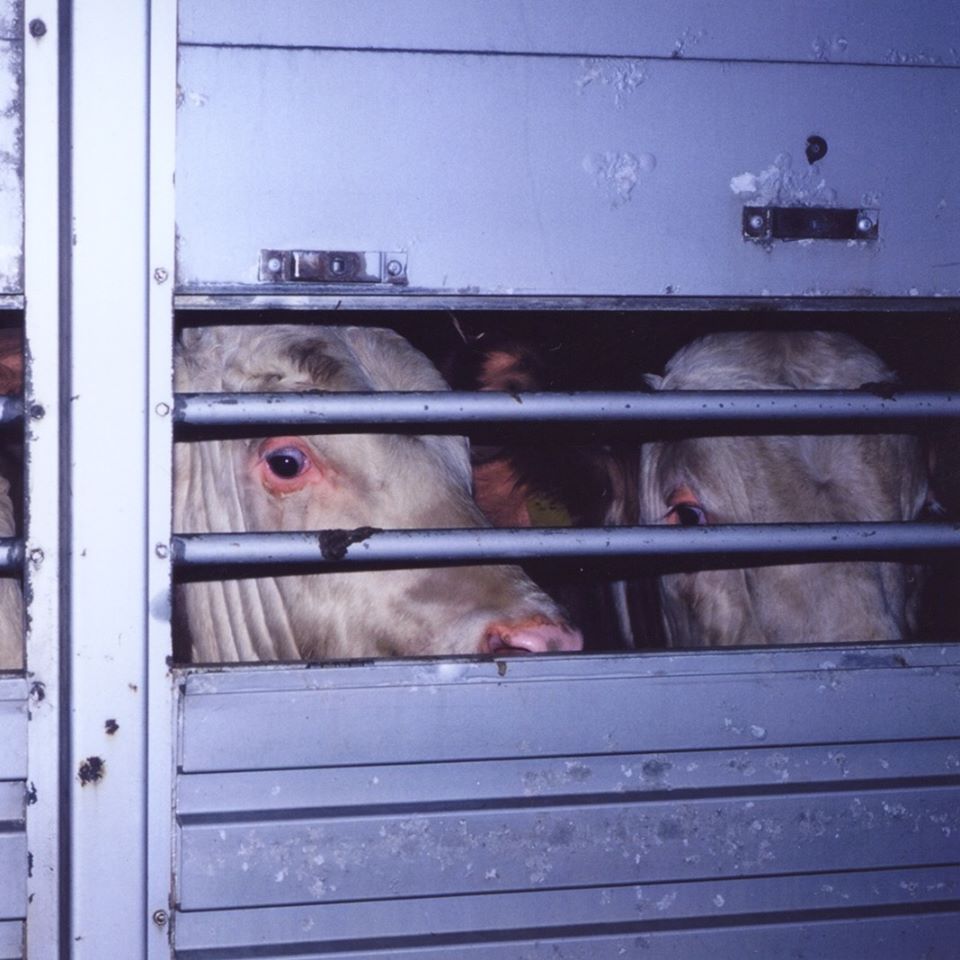
The animals are often crowded in the transporters and often do not even have access to water.
We receive reports of screaming cows 🐄 in the transporters.
Together with other NGOs, FOUR PAWS calls on the responsible EU ministers and the EU Commission to act now.
FOUR PAWStherefore calls for an immediate stop to the cross-border transport of live animals during the corona epidemic‼ ️
Posted on March 19, 2020 by Serbian Animals Voice (SAV)
On December 27, 2018, the text for a new animal protection law was passed in Russia. In 2010 the lower house of the Russian parliament received the draft law for the first time.
The Animal Welfare Act has been fully applicable since January 2020. This Animal Welfare Act forms the basis for implementing further improvements in the protection of animals in Russia.
For the welfare of animals, the Animal Welfare Act sets limits and guidelines for the coexistence of humans and animals.
Animals with owners,homeless animals and animals in captivity are affected by the law.
As a result, every individual, animal shelter and facilities such as zoos or circuses are obliged to adhere to certain standards when dealing with animals.
These 5 points from Russia’s Animal Welfare Act should be known:
1. Animals as living beings that experience emotions and suffering
The law names animals as living beings that experience emotions and suffering and turns away from the definition of “animals as possessions”.
Legal recognition is an important success for animals and forms a legal basis to fundamentally question the common way people deal with animals.
2. Castration programs and catch-and-release procedures for dealing with homeless animals.
When dealing with homeless animals – for example if they are to be caught – they should always work together with an animal shelter and the animals should be housed there.
If a human companion can be identified for the animal, it is brought back there. Simply abandoning an animal rather than moving it to a new owner or shelter is prohibited.
Once at the shelter, homeless animals are to be vaccinated and sterilized or castrated. The use of pain relievers is also legally required for such interventions.
They also get a brand that cannot be removed. After veterinary care, the animals return to their usual environment, i.e. to the place where they were found.
The capturing and resetting of the animals should be filmed and open to the public.
Homeless animals should remain in the shelter until the previous human companions are found, a new home is found, or the animals succumb to their age.
Killing homeless animals is prohibited.
If euthanasia is necessary, this may only be carried out by appropriate specialist staff.
3. Cruelty to animals
The law formulates an extensive definition of cruelty to animals, which includes torture through physical violence, hunger or thirst.
To better protect animals, the law also prohibits:
-Abuse animals as bait for another animal
-To promote any form of cruelty to animals
-To let animals fight against each other on purpose
This gives competent authorities an important basis for consistently preventing and punishing cruelty to animals.
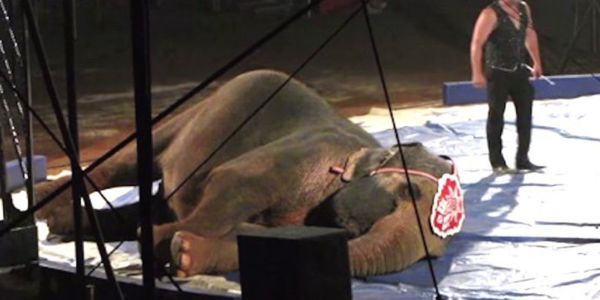
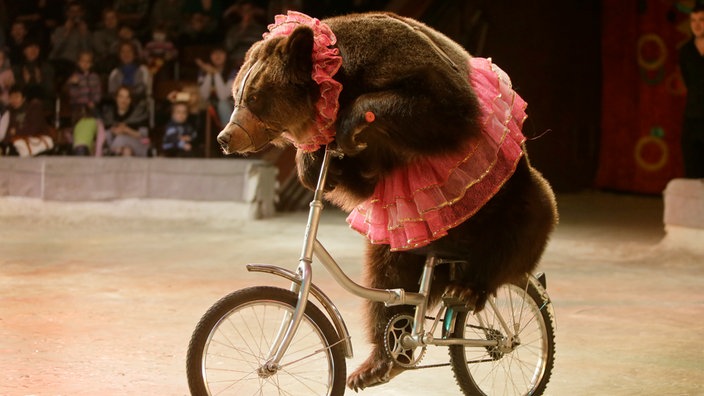
More needs to be done for animals in the entertainment industry, since the license introduced for zoos, circuses, aquariums or similar establishments merely sets guidelines for the exploitation of animals instead of abolishing them.
Animals continue to be forced to behave unnaturally in these facilities for questionable cultural or entertainment purposes. Animals are not there to entertain people, which is why PETA Germany works every day to ensure that animals are not misused and tortured to entertain people.
4. Wild animals as animal roommates
The Animal Welfare Act prohibits the acquisition and keeping of wild animals as roommates in Russia. Wild animals are no longer allowed to be kept in private apartments, houses, gardens or in bars and restaurants.
Unfortunately, this regulation only applies to the purchase of animals after the Animal Welfare Act comes into force. Wild animals that already live with humans are not affected by the law.
They will probably not be able to live in a species-appropriate way.
5. Dealing with offenders
Cruelty to animals must always be taken seriously and punished. If people torture animals by inflicting them psychological or physical injuries, or even killing them, these actions must have corresponding legal consequences.
The Animal Welfare Act provides for various penalties for these cases. For example, a fine of up to 80,000 rubles (about EUR 1086.00) or up to six months in the amount of the monthly salary of the offender. If minors are present during the crime, a fine of up to 300,000 rubles (around EUR 4072.50) or up to five years in prison can be imposed.
Animal welfare laws have the potential to bring about significant changes in how humans treat animals.
The more specifically the legal texts name criminal behavior, the less excuses there are for criminals.
Although the Russian law now recognizes animals as living beings that experience emotions and suffering, there is no consistent implementation.
Facilities such as aquariums, dolphinariums, circuses and zoos that imprison animals for entertainment purposes may continue to do so.
The condition is a valid license. It is now up to the responsible authorities and institutions to enforce the guidelines of the new law in an animal-friendly and consistent manner so that the text of the law not only reads well, but also means noticeable changes for the animals.
My comment: If we take into account that Russia is not an EU country, we have to praise the legislator.
But that’s only one dimension of the law.
The other is its practical application.
The German animal protection law is also very good on paper.
For example, the first section says:
§ 1“Nobody may cause pain, suffering or harm to an animal without a reasonable reason.”
This also means “useful” animals.
But every day we experience conditions in factory farming as if we had no animal protection law.
An animal protection law is as good as its consistent application in practice.
We hope for Russia. That the police, authorities, veterinarians and, last but not least, the court remain consistent and true to their progressive animal welfare laws.




















 Serbian Animals Voice (SAV)