Activists protest against intensive fish farming conditions in Italy

17 September 2020

Essere Animali

On board of a motorised boat, activists from our Italian member Essere Animali reached a fish farm in the province of La Spezia, Italy. Arriving near the cages in the sea where hundreds of thousands of fish are confined, they unrolled a banner to protest against the poor living conditions of these animals, destined for the large-scale distribution market.

“Caged in the open sea – “FishToo need to be protected” reads the thirty square meter banner captured by the drone that the activists used for the shooting. The fish farm where the protest took place, is specialised in the breeding of sea bass and sea bream, and has about thirty cages located along the coast of the Ligurian province. The fish spend around 16 to 22 months for the fattening process in these cramped cages in the sea until they reach the commercial weight of 300 to 500g. 

https://www.youtube.com/embed/fxwEqRVg3bg?autoplay=0&start=0&rel=0&enablejsapi=1&origin=https%3A%2F%2Fwww.eurogroupforanimals.org “Crammed into cages, tanks, or ponds, these animals live in conditions that do not allow them to express their natural behaviour. Their life is of deprivation, spent in unhealthy environments with very high densities where they are often fed with antibiotics to contain the inevitable spread of viruses and bacteria”, says Brenda Ferretti, Outreach Manager of Essere Animali. “Furthermore, compared to terrestrial animals, fish raised for food spend much more time on the farm, and at the time of the killing, they are victims of atrocious suffering. But fish are also sentient beings, capable of feeling fear and pain, and therefore worthy of being defended and protected”.

Essere Animali underlines the urgent need for a change in the critical conditions which fish are enduring in the aquaculture industry, the food sector with the highest growth rate in recent decades. According to the new FAO report “The State of World Fisheries and Aquaculture” (SOFIA), aquaculture production now represents 52% of fish destined for human consumption. This means that half of the fish that reaches consumers’ tables comes from fish farms, where the predominant production model is industrial and intensive.

“Although fish are the animals raised in the greatest number in the food industry, they are also the least protected by national and EU legislation. This, combined with harmful breeding practices, such as the absence of effective stunning procedures which could reduce their suffering at the time of slaughter, pushes up to stand up for the protection of these animals”, continues Brenda Ferretti.

In this problematic context, the role of large-scale distribution is decisive. In fact, according to the Italian Institute of Services for the Agricultural Food Market (ISMEA), about 80% of purchases of fresh fish and processed fish products in Italy take place in modern distribution outlets. With its purchasing power, large-scale distribution can encourage farming practices that are more respectful of the life of the fish raised in their fish supply chains, binding its suppliers to adhere to stricter production standards. As part of their campaign #AncheiPesci (“#FishToo”), Essere Animali is, therefore, collecting signatures for a petition calling for better welfare conditions for farmed fish.

“Crammed into cages, tanks, or ponds, these animals live in conditions that do not allow them to express their natural behaviour. Their life is of deprivation, spent in unhealthy environments with very high densities where they are often fed with antibiotics to contain the inevitable spread of viruses and bacteria”, says Brenda Ferretti, Outreach Manager of Essere Animali. “Furthermore, compared to terrestrial animals, fish raised for food spend much more time on the farm, and at the time of the killing, they are victims of atrocious suffering. But fish are also sentient beings, capable of feeling fear and pain, and therefore worthy of being defended and protected”.

Essere Animali underlines the urgent need for a change in the critical conditions which fish are enduring in the aquaculture industry, the food sector with the highest growth rate in recent decades. According to the new FAO report “The State of World Fisheries and Aquaculture” (SOFIA), aquaculture production now represents 52% of fish destined for human consumption. This means that half of the fish that reaches consumers’ tables comes from fish farms, where the predominant production model is industrial and intensive.

“Although fish are the animals raised in the greatest number in the food industry, they are also the least protected by national and EU legislation. This, combined with harmful breeding practices, such as the absence of effective stunning procedures which could reduce their suffering at the time of slaughter, pushes up to stand up for the protection of these animals”, continues Brenda Ferretti.

In this problematic context, the role of large-scale distribution is decisive. In fact, according to the Italian Institute of Services for the Agricultural Food Market (ISMEA), about 80% of purchases of fresh fish and processed fish products in Italy take place in modern distribution outlets. With its purchasing power, large-scale distribution can encourage farming practices that are more respectful of the life of the fish raised in their fish supply chains, binding its suppliers to adhere to stricter production standards. As part of their campaign #AncheiPesci (“#FishToo”), Essere Animali is, therefore, collecting signatures for a petition calling for better welfare conditions for farmed fish.

Read more at source

Essere Animali

England: When Is A Woman Not A Woman ? – If She Is ‘Animal Female’. She Has Babies and Produces Milk for Them; But Then Things Change !

See all the videos via this link:

I have campaigned for, and spoken in defence of, all the worlds animals exported live for over 30 years.  Part of my campaign ‘patch’ was at Dover in Kent, which is my personal home county.

Until recently; the Dover Member of Parliament (MP) was one named Charlie Eliphicke.  Over many years of campaigning against live exports (from Dover); protestors were constantly informed that ‘Charlie’ was against the trade and fully supported them.  Never once was he observed at the docks supporting the protests, or supporting written documentation (evidence) being presented to either the EU or ‘his’ Political Party, the Conservatives.

Yesterday, 15th September 2020, Charlie Elphicke was sentenced to 2 years in prison for ‘sexual assaults on women’.  The Judge at the case, one Mrs Justice Whipple; told Elphicke he was a “sexual predator who used his success and respectability as a cover”.

Here is the BBC link to the issue:

https://www.bbc.co.uk/news/uk-england-kent-54161766

It is not for me to stand here and put Charlie Elphicke down; I have better things to do; nor do I in the least support his alleged actions in any way – quite the opposite; but what (allegedly) happened is an issue that I don’t want to get involved with.  The abuse of females is wrong – simple as that; whatever guise it takes.

For me, personally and more importantly, is the fact that CE was sentenced to 2 years for the ‘assault on women’.  That to me this is disgusting enough, but with all that has happened here I consider the envelope should be pushed a little wider.

‘An assault on women’.

From of many searches today, I find that under ‘the system’, ‘A woman’ is identified as an adult female human.

https://en.wikipedia.org/wiki/Woman

Fine; no problems there, but then what about all the other ‘women’; females of this planet ?

mark 3
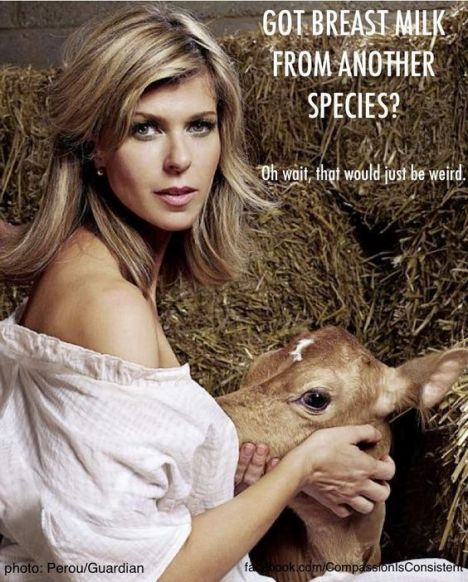
breast milk

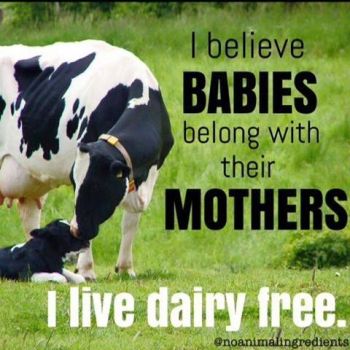
There are ‘women bovines’; and they are called Cows once they have had offspring. A heifer is a female that has not yet had any young.  A cow is a mature female bovine that has had at least one calf.

There are women porcines’, Female pigs, called sows, give birth to offspring twice a year to a litter of around 12 young. The baby pigs are called piglets. Prior to having any young, the female pig is usually known as a ‘gilt’.  At birth, piglets weigh around 2.5 lbs. Wild pigs can give birth to six for 14 piglets at a time.

For ‘women’ sheep, or ‘Ovines’, an adult female is referred to as a ewe.  She gives birth to lambs.

For ‘women’ Hens, younger females are known as pullets, although in the egg-laying industry, a pullet becomes a hen when she begins to lay eggs.

The female / male list of animal types is endless.  If you’d like to find out the correct male and female names for these animals and many more, then check the list below

Male and Female Animal Names

‘Women’ animals are abused by respective industries that farm them continually.  Most humans; those of the non animal advocate kind; accept this as part of the system.  I ask the question; why can a male human abuse females and get sent to prison for 2 years; and yet tens of thousands / millions of ‘women’ animals suffer much greater abuses, and yet their perpetrators appear to get away with the abuses all the time because they are accepted by most in human society as being the ‘norm’.

Until society realises that ‘women’ animals are sentient beings; just like humans; and they love and cherish their offspring, if even allowed to for more than a few hours; then human society will make little progress.  The abusers will remain as the abusers and the women animals that suffer as a result will continue to suffer for all mankind.

2 years for fondling a human woman.

Continual Insemination of a ‘woman cow’ – Using the flexibility of your wrist, twist and bend the cervix until you feel the second ring slide over the gun tip. Push the plunger slowly so that drops of semen fall directly into the uterine body. When the insemination gun is more than 1” through the cervix, all the semen will be deposited in only one horn.  ACCEPTED.

Seems that some abuse is not accepted in the human world; you can go to jail; and yet daily animal abuse is accepted in the human world everywhere without question.  Why ?

Learn more about more ‘female mums’ – the stray dogs and cats of Serbia – from our other site; ‘Serbian Animals Voice’ (SAV):

About Serbian Animals.

About Us.

https://serbiananimalsvoice.com/

Dubious deals again: EU Commission and European Chemicals Agency

The Board of Appeal of the European Chemicals Agency (ECHA) recently published two decisions on animal testing for cosmetics.

It stipulates that ingredients that are used exclusively for cosmetics may still be tested on animals under the REACH regulation. (Registration, Evaluation, Authorization, and Restriction of Chemicals)

In fact, animal testing for cosmetic ingredients has been banned since the EU Cosmetics Regulation came into force in 2013 – and thus the current decisions represent an absolute misinterpretation of the law, as they enable manufacturers and regulatory authorities to effectively ignore the ban.

What does all this mean for animals and what can we do about it?

The following will happen to the animals:
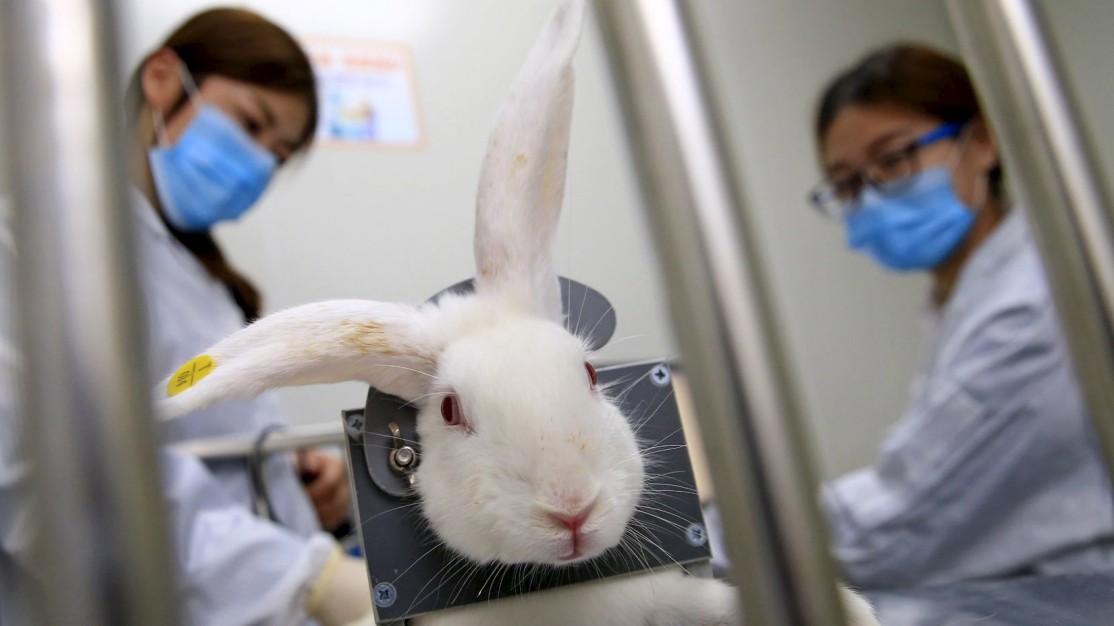
As a direct result of the decisions, over 5,500 rats, rabbits, and fish are used in new experiments.
Some of them are given a cosmetic ingredient repeatedly during pregnancy.

The animals themselves and their offspring are then killed and dissected.

Maus Tierversuche

In addition, the decisions open the door to further animal testing, as hundreds of new cosmetic products come onto the market every year, the ingredients of which may then have to be tested on animals within the framework of REACH  – at the expense of tens of thousands of animals.

Nevertheless, ECHA, the EU Commission, and now also the ECHA Board of Appeal misinterpret the law and undermine the bans.

For the animals, this means further senseless suffering in animal experiments for cosmetics.

For more… at https://worldanimalsvoice.com/2020/09/17/dubious-deals-again-eu-commission-and-european-chemicals-agency/

Petition: https://www.peta.de/keine-tierversuche-fuer-kosmetik-durch-die-hintertuer#anchor-Petition


And I mean…Animal experiments are so popular because you can use them to prove or disprove whatever you want.
Depending on the client, completely different results can emerge from the same question.

Even after the EU Commission officially banned animal testing for cosmetics in 2013, the pharmaceutical mafia tried to continue its evil business with animal testing.

With the argument: many ingredients from cosmetics are omitted in the sector of chemical substances that, according to the law, have to be tested on animals.

It is well known-and terrifying- that ECHA is animal test friendly, although it has the legal mandate to allow animal experiments ONLY as a last resort.

They did not act in this way in any area, on the contrary: they often demanded more animal experiments from the industry, did not accept data, and hindered the work of animal rights activists.

In addition: what consumers may not know ( because it is deliberately kept a secret) is that even cosmetics companies that manufacture their products in Europe without animal testing, as soon as they want to sell in China or Korea, have to test the same products on animals.
This is what the law of these countries prescribes.

But we are not powerless.
We have a lot of information today, and thanks to the Internet, we can quickly access important information and thus make the right decisions.

A boycott of animal experiments is currently only possible in the cosmetics sector, and we have to take advantage of that.


Therefore: Only support these companies that work without animal testing and manufacture their products with vegan ingredients.


My best regards to all, Venus


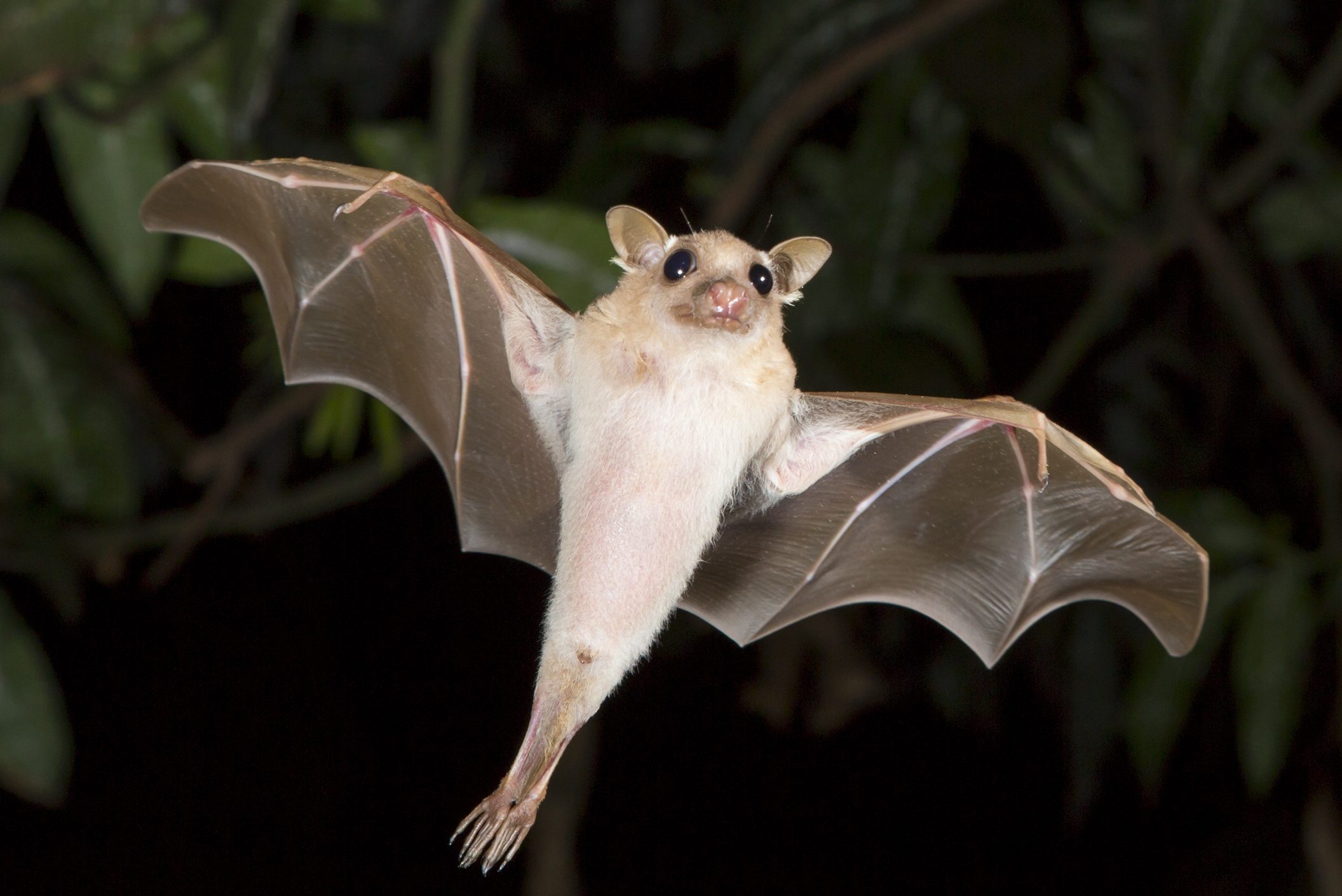
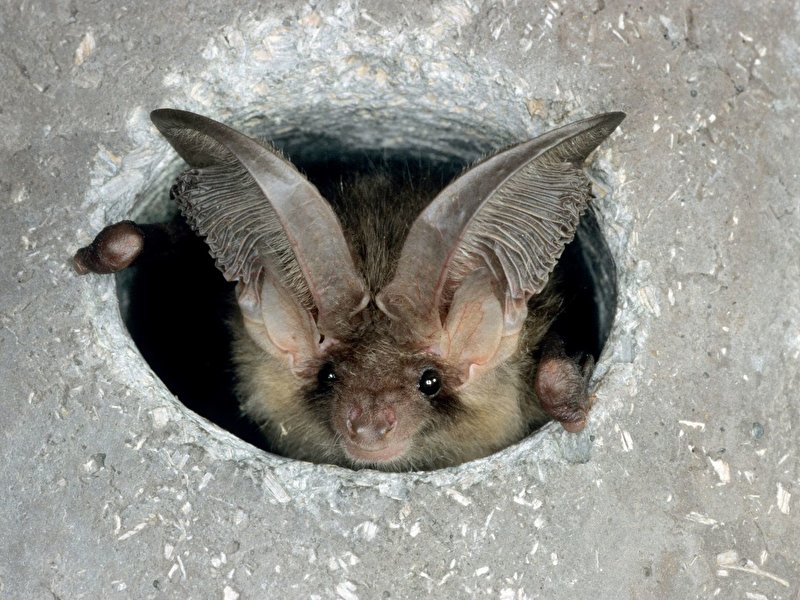
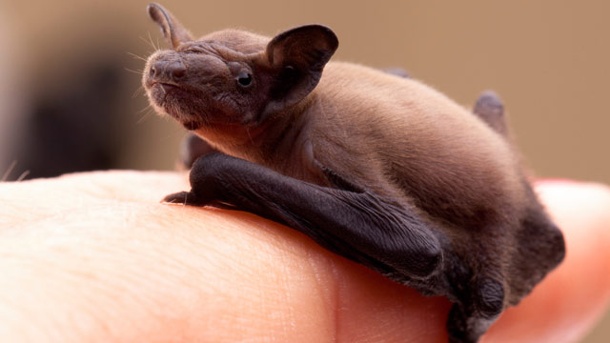
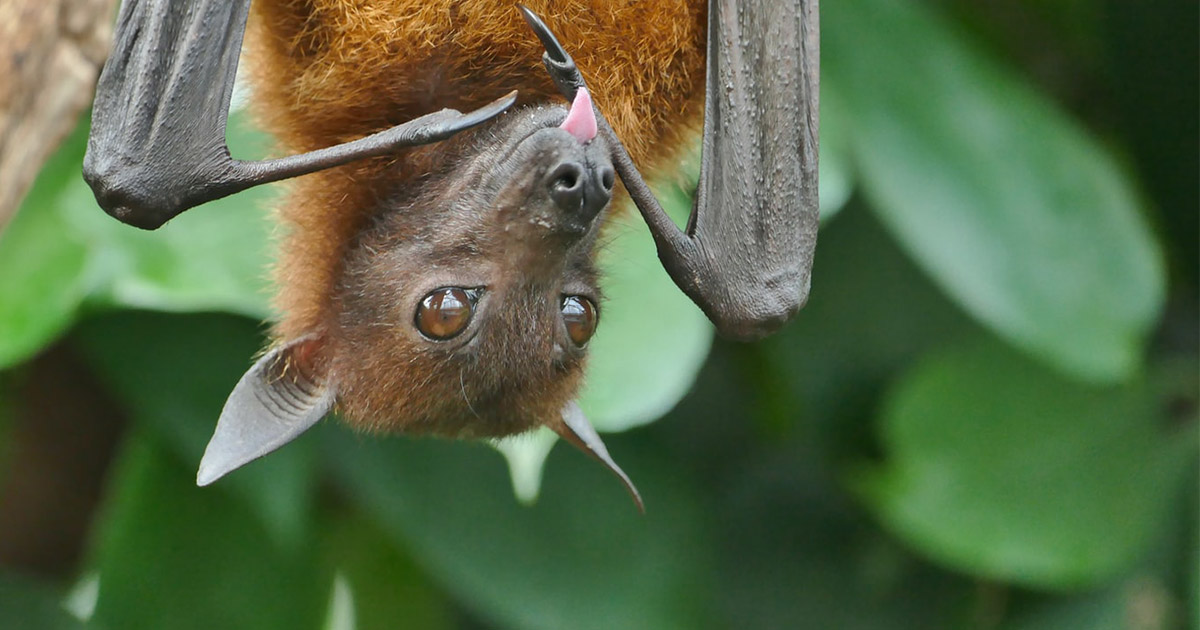
Bat, the despised animal

There is one animal that works 6 months each year to protect you, your family, and your pets.

It does this every night for up to 15 years. During a night flight, it eats more than 1000 mosquitoes.

1000 mosquitos that can be dangerous for you, your family, and your dog.

1000 mosquitoes that can spread western Nile fever, the Usutu virus, skin worms, and heartworms in humans and animals.

More than 1000 mosquitoes every night for 6 months.

That translates to 180,000 mosquitos per year that can bite you or your pets and transmit diseases.

Because the bat lives 15 years, it destroys more than 2,700,000 mosquitos in its lifetime, and it’s only one bat !!!

If one counts a medium colony and 2x offspring per year, this number is over 12,555,000,000 destroyed mosquitoes, which results in a little over 12 tons.

All they ask is that we do not hate these useful animals, that we do not hunt them, that we do not destroy their habitat and their nesting opportunities, and where these are destroyed we give them the opportunity to nest again.

Rabies bats are rare, the chance of being infected with rabies by bats as a human being is less than winning the lottery.

People are not actively attacked by bats, but maybe bitten when they pick up injured animals and try to help them.

Wear thick gloves during rescue operations.

Many people do not like them, out of blind prejudice, even though they do much more for us than we do for them.

Live with nature, nature also lives for you.

Regards and good night, Venus

Heck with decor!

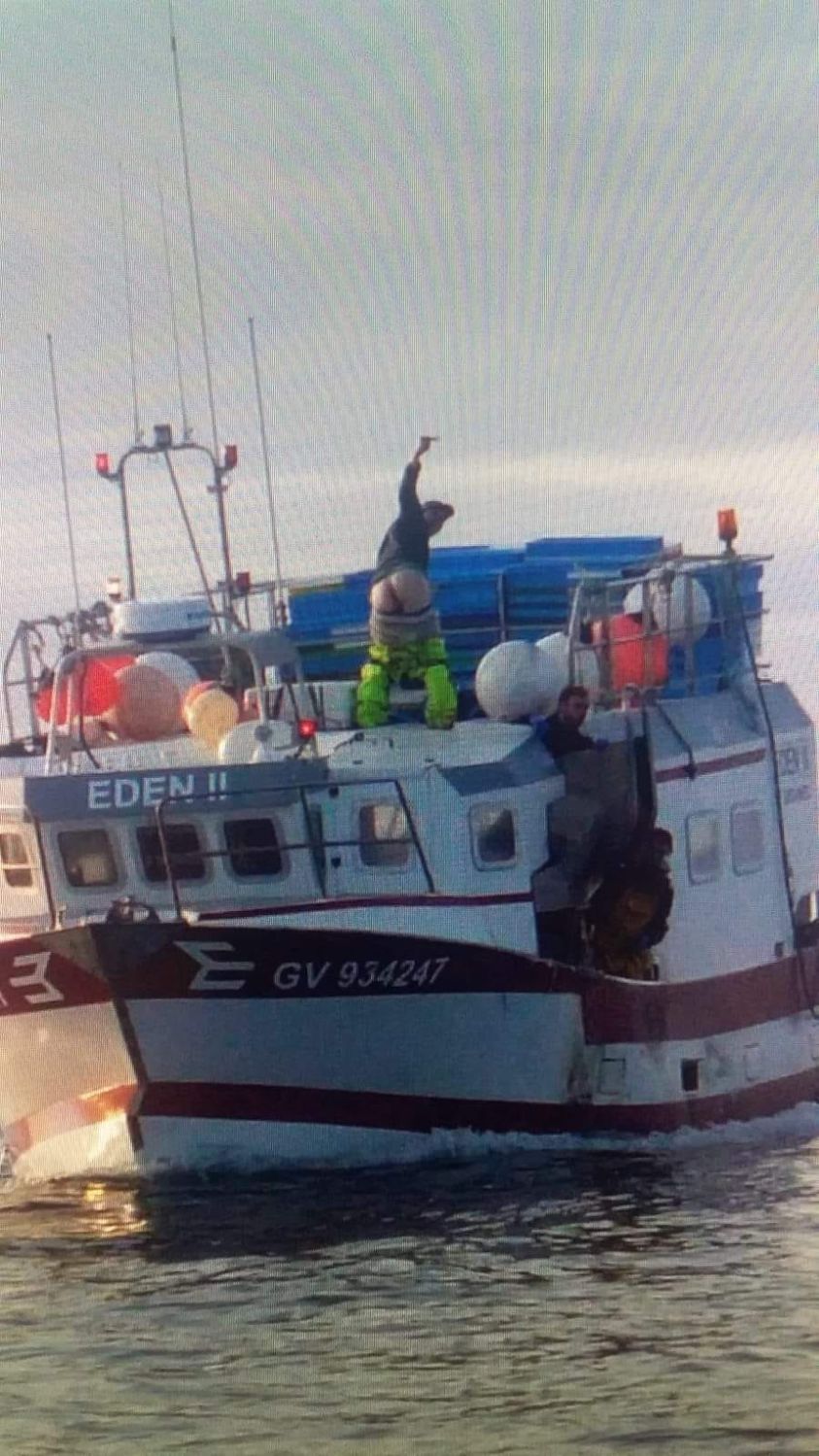
A small sample of the welcome the fishermen gave us a few days ago in Brittany.

As part of OPERATION DOLPHIN BYCATCH, we are currently on the move off the coast of Brittany to uncover dolphins being caught in fishing nets.

After we documented on August 30th how five dolphins were killed in one day in the nets of a single fishing boat, fishermen pursued, threatened, surrounded, pelted us, and tried everything possible to hinder our work.

But we don’t let ourselves be scared off, we don’t let ourselves be discouraged and we don’t let ourselves be intimidated … especially not by an ass demonstration!!

Every year 10,000 dolphins die off the French coast from fishing nets.

We’ll keep patrolling and uncovering these deaths until something changes.

The European Union has already asked France to ban fishing methods that are responsible for the unnecessary death of thousands of dolphins.

And I mean…

...”The European Union has already asked France to ban fishing methods that are responsible for the unnecessary death of thousands of dolphins”.

If a court requires a rapist not to rape any more women, can the judiciary assume that the perpetrator has been punished enough?
Is this a sufficiently effective punishment for the perpetrator, so that will keep him from future rape?

What a ridiculous shop this EU is!

My best regards to all, Venus


New Zealand: Govt agrees to change law to help protect over 35,000 endangered species.

New Zealand 16/9/20

Govt agrees to change law to help protect over 35,000 endangered species

“The changes will be made by amending the Trade in Endangered Species Act 1989 to ban the domestic sale of elephant ivory in New Zealand with some exemptions, and to improve the regulatory system at the border,” said Eugenie Sage.

The Government has agreed to change the law to help protect more than 35,000 internationally endangered species where unsustainable trade threatens their survival in the wild, Minister of Conservation Eugenie Sage announced today.

“The changes will be made by amending the Trade in Endangered Species Act 1989 to ban the domestic sale of elephant ivory in New Zealand with some exemptions, and to improve the regulatory system at the border,” said Eugenie Sage.

“This is a big step forward in strengthening the management of international trade in endangered, threatened and exploited species. The Cabinet decisions follow the release of a discussion document in September 2019 and public submissions.

“Currently there are no restrictions on domestic trade in elephant ivory in New Zealand. This is out of step with many countries such as the United States, United Kingdom, France, Taiwan and China which have already banned domestic trade in elephant ivory.”

“I am pleased to announce the proposal to ban the domestic sale of any items made with ivory from elephants killed after 1975, which is when elephants began to be protected from international trade under the Convention on International Trade in Endangered Species (CITES).

The import and export of all elephant ivory is also proposed to be banned, with narrow exemptions to ensure elephant ivory items can still be traded by museums, for DNA testing and testing to determine age, and that antique musical instruments with correct permits can still be carried across the border.

“The New Zealand market in ivory is small, but banning the sale of post-Convention elephant ivory in New Zealand will send a message that New Zealand does not want to receive elephant ivory that may have been poached or illegally traded,” said Eugenie Sage.

Other planned changes to the TIES Act focus on improving the way the Act is implemented to ensure the regulatory system at the border efficiently and effectively manages international wildlife trade and stops illegal trade.

“Proposed changes to the TIES Act will ensure that New Zealand can continue to protect significant plants and wildlife from around the world to the highest standard.”

The TIES Act will be amended to:

Regulate the domestic sale of elephant ivory, with elephant ivory from elephants killed before 1975 exempt;

place further restrictions at the border on importing and exporting elephant ivory;

update the definition of personal and household effects to ensure it functions as intended by not allowing items for commercial sale to qualify as personal or household effects;

include a regulation-making power enabling species-specific exemptions from permitting for personal and household effects;

enable a process to return seized items to individuals where there are permit irregularities in certain limited circumstances;

allow cost recovery for services provided to commercial traders; and

allow DOC to consider cases where there have been irregularities with permits issued by Management Authorities in other countries. There will be a process with strict conditions to consider errors, and decide whether to accept replacement or retrospective permits.

The Trade in Endangered Species Act 1989 will need to be amended to implement the changes. An amendment Bill will be drafted incorporating the proposed changes. It is planned for introduction to the next Parliament after the election to be referred to Select Committee after its first reading.

(With Inputs from New Zealand Government Press Release)

https://www.devdiscourse.com/article/science-environment/1202453-govt-agrees-to-change-law-to-help-protect-over-35000-endangered-species

The power of collective resistance

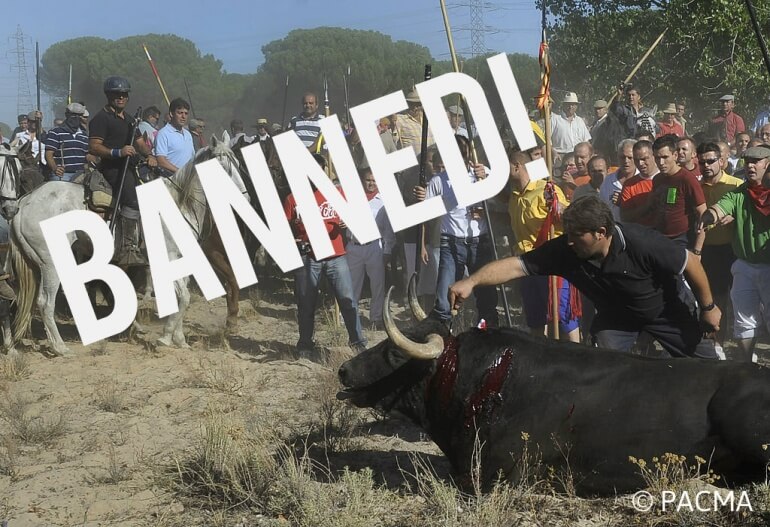
A study concludes that pressure on networks led to the prohibition of Toro de la Vega.

Eduardo Galeano once said, “Many small people, in small places, by doing small things, can change the world.”

The activists created against this barbarian fiesta in Tordesillas (Valladolid)  an emotional stigma for the followers of this celebration, constructing them as psychopaths, sadists, or beasts.

And won! After many years of fighting, they won!

It is said that the press is the fourth power.

Perhaps everyone who fights against the lies of the press, the animal rights activists, the protesters, the defenders of animals, is the fifth power.

All these forces have abolished el Toro de la Vega!

Have a good night, Venus