Posted on January 7, 2018 by Serbian Animals Voice (SAV)
UPDATE 7/1/18
SAV Comment – If she thinks a free vote on killing wildlife is going to get her re-elected; then she should think again. Over 80% of the British public support the continuation of the hunting ban. Note she says a ‘clear message’ has been sent from the public. And many of those want to see the ban strengthened. Is Mrs May showing signs for once of listening to the public ?
Theresa May has dropped a manifesto pledge to hold a vote on the fox-hunting ban during this parliament.
The Tories had promised a vote on repealing the Hunting Act – which bans the use of dogs to hunt foxes and wild mammals in England and Wales – during the 2017 general election campaign.
But the prime minister told BBC One’s Andrew Marr Show there was a “clear message” against it from the public.
“I think there was a clear message about that and that’s why I say there won’t be a vote on fox-hunting during this parliament.”
Labour said the move was “long overdue” and called on ministers to take tough action against those who continue to conduct illegal fox hunts.
The League Against Cruel Sports said hunting was a “barbaric” practice “which still sees British wildlife being torn to pieces by packs of hounds”.
“It appears that the government now accepts that cruel sports should no longer be a part of 21st Century society so it’s good to know they won’t try to legalise it again in this Parliament, though they may try again in the next,” said spokesman Chris Pitt.
The group also called for stronger action against illegal hunting which it said was being carried out in the name of “trail hunting”.
Mrs May’s predecessor, David Cameron, (Below), had promised a free vote on whether to repeal the ban in England and Wales when he was in power, but it never materialised.
—————————————————–
We’ve just hit 15 million users in the UK!
That’s one fifth of the population signing petitions, standing up against injustice and creating unbelievable change.
Please consider calling and getting friends, family, and associates to make polite phone calls to Marado Sushi at 905-707-0546 and Gal’s Sushi at 905-597-0176, urging them to remove live animals from their menus.
At Marado Sushi in Toronto, (Just Google search the name for full details) PETA captured footage of a chef crudely hacking off the arms and legs of a flailing octopus.
The writhing limbs were then served to diners in a dish called “sannakji.” We filed a complaint with the Ontario SPCA, which—agreeing that octopuses are protected by cruelty-to-animals legislation—promptly informed Marado Sushi of the law.
But Marado Sushi continues to serve sannakji by chopping the heads off live octopuses before dicing up their limbs, and other restaurants continue to mutilate and serve live animals.
Others “prepare” live shrimp and lobsters by cutting off their tails and plating them next to their flailing heads—all for the sake of diners’ entertainment.
Please speak out against butchering and serving live animals.
Join us in urging Toronto restaurants to stop butchering and
serving live animals.
Together, we can prevent an enormous amount of suffering.
Posted on January 6, 2018 by Serbian Animals Voice (SAV)
(The second incident was in France)
“A hunter was attacked by a boar on a trail hunt near Greifswald and seriously injured”.
During a trail hunt in the Greifswald area, a 50-year-old man was attacked by a boar after a gunshot and was seriously injured.
After the attack he plunged with his head into the lake where he was hunting and stayed there a few minutes with his head in the water.
He later died in the hospital, the animal escaped “.
“Villagers expel hunters and save deer.”
A hobby hunter got an important lesson in a small-town Oise (France) when his hunt ended on a garden plot.
Sweaty wet, with a bloody tongue and trembling joints, a stately deer stands in the middle of the garden. Surrounded by barking hounds, he fears for his life, trembling. The hunter responsible for this situation is some distance away.
Although the animal is in firing position, he does not shoot. The reason: About thirty people have stood between the panic animal and the hunter. The deer was on the run from the hunter’s aggressive dogs, who had previously shot the animal in the forest and wanted to finally settle it in the garden.
But he had the bill made without the host, because the thirty inhabitants did not want to release the animal.
Finally, the mayor of the village came and persuade the hunter to leave.
That’s what I call civil courage, we all have to learn that too.
Because the good news is rarely brought by chance, as in the first case, but they are mostly results of our commitment, our courage.
In any case, these two messages have brought much greater relaxation in my body today than the relax training should bring out.
Or better formulated: who needs relax after such beautiful news …
Posted on January 6, 2018 by Serbian Animals Voice (SAV)
Dear Mark,
In June the Trump administration took Yellowstone-area grizzly bears off the list of animals protected by the Endangered Species Act. But there’s been a big problem with the legality of that decision that’s at last being addressed — and it could save these bears from dying in cruel, state-sponsored trophy hunts.
The Service is asking the public to weigh in on the legality of its delisting rule because of a recent case in the D.C. Court of Appeals. The D.C. court rightly voided a rule stripping protections from Great Lakes wolves because of the harm that rule would cause other recovering wolf populations. The flaws are identical to those in the grizzly bear rule.
Take a minute to tell the Service it can’t paper over these legal flaws and must restore protection to Yellowstone’s grizzlies. The comment period closes on Monday, Jan. 8 — so please send a letter today.
Goal: Save the rain forests of Papua by stopping the expansion of a destructive palm oil plantation.
A rare and untouched rainforest in Papua, Indonesia has seen an area the size of Washington, D.C. be destroyed to make room for a single palm oil plantation. In only three years, 77 square miles of forest have been cleared.
This deforestation has disastrous effects on our environment. Its CO2 emission equals the CO2 emission that over 2.1 million cars would release. In addition, the habitats of thousands of animals have been destroyed.
This rampant destruction should be put to an end immediately before the rest of this land is lost forever.
Sign the petition to demand that a permanent halt be placed on the expansion of this palm oil plantation. Protect what is left of Indonesia’s beautiful landscape.
PETITION LETTER:
Dear Governor Enembe,
In only three years, 77 square miles of Papua’s once untouched rainforest have been destroyed. This is the size of Washington, D.C. This causes an unimaginable amount of damage to the environment. CO2 emission has increased by the millions and habitats have been lost by the thousands.
What is left of Papua’s rainforest should be protected and preserved. This action begins with ending the expansion of the region’s palm oil plantations. Cherish what is left of your nation’s natural wonders. Don’t destroy it.
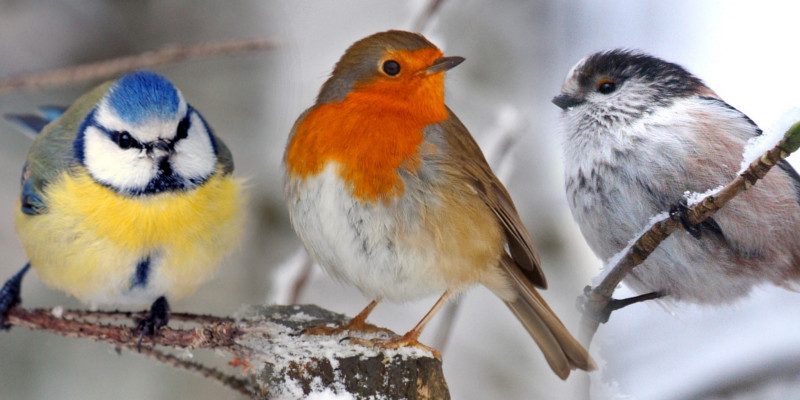
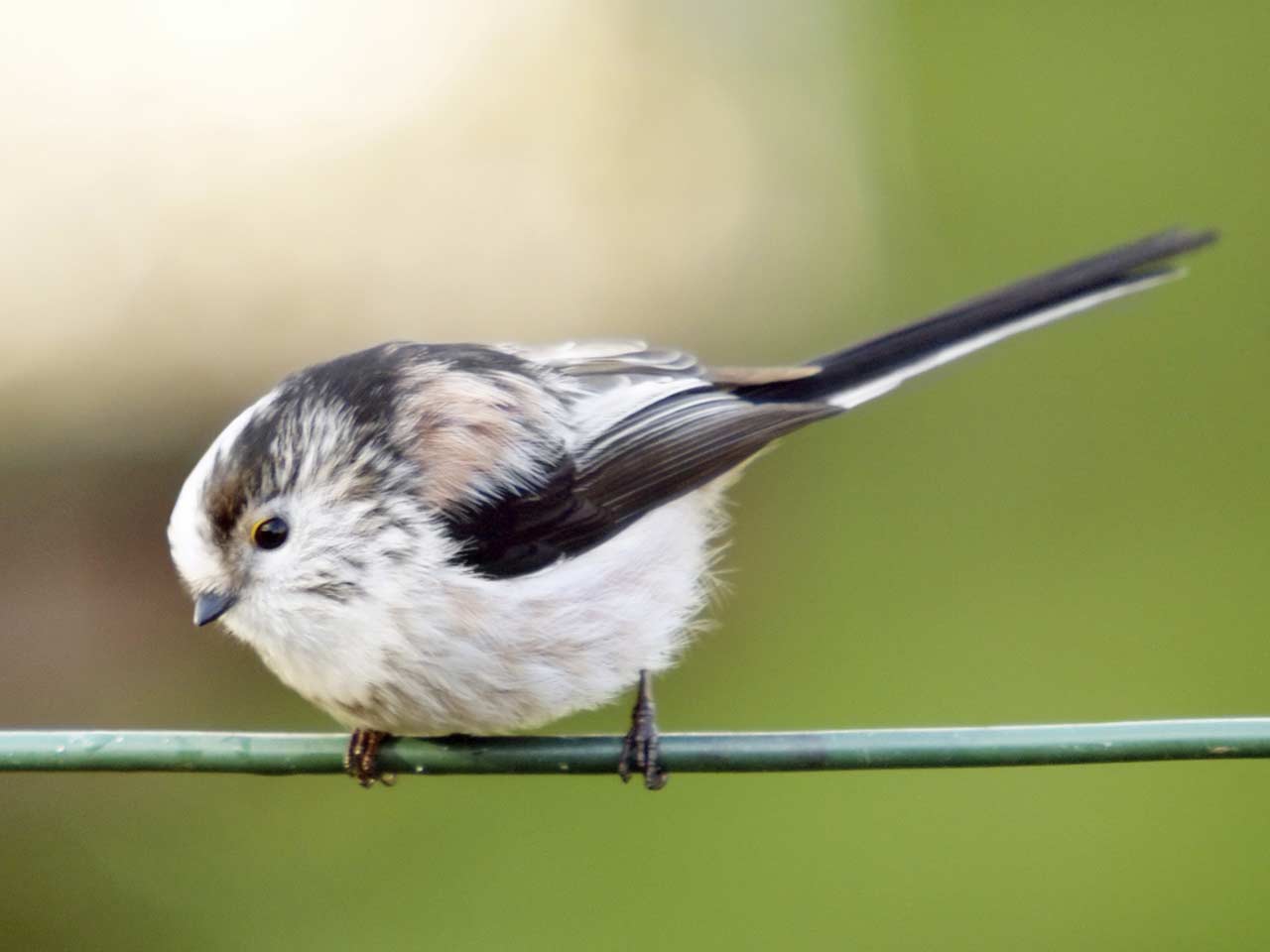
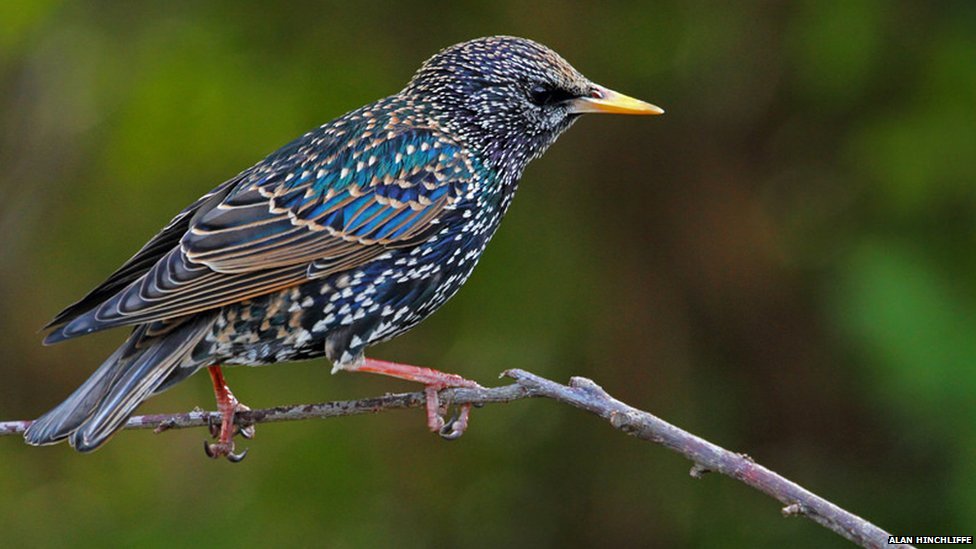
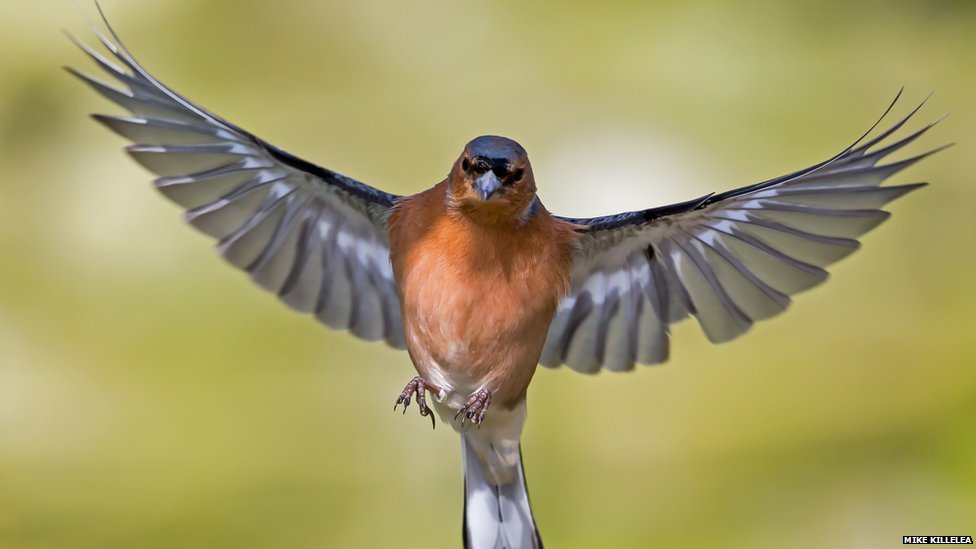
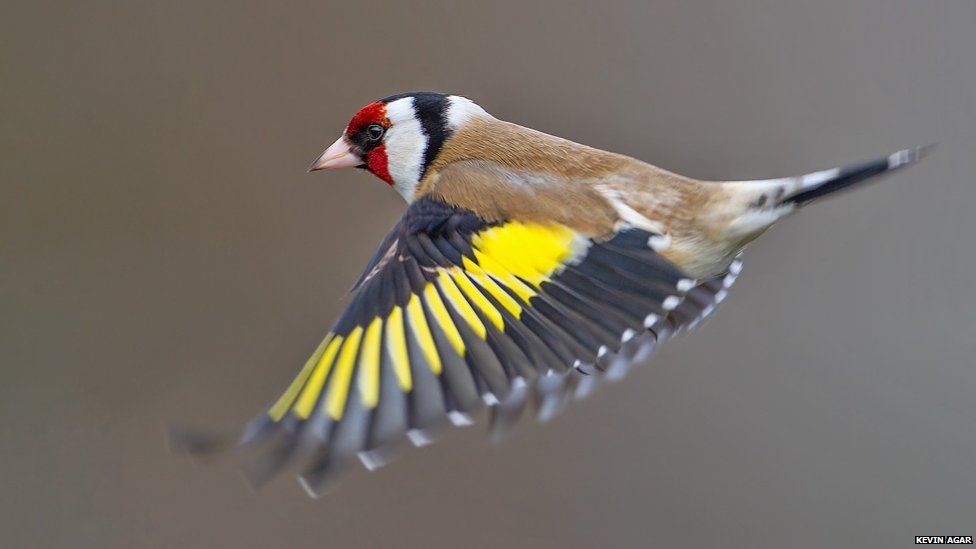
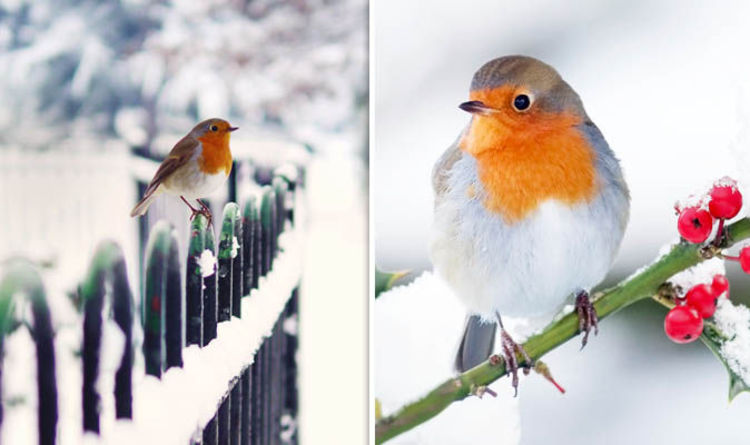
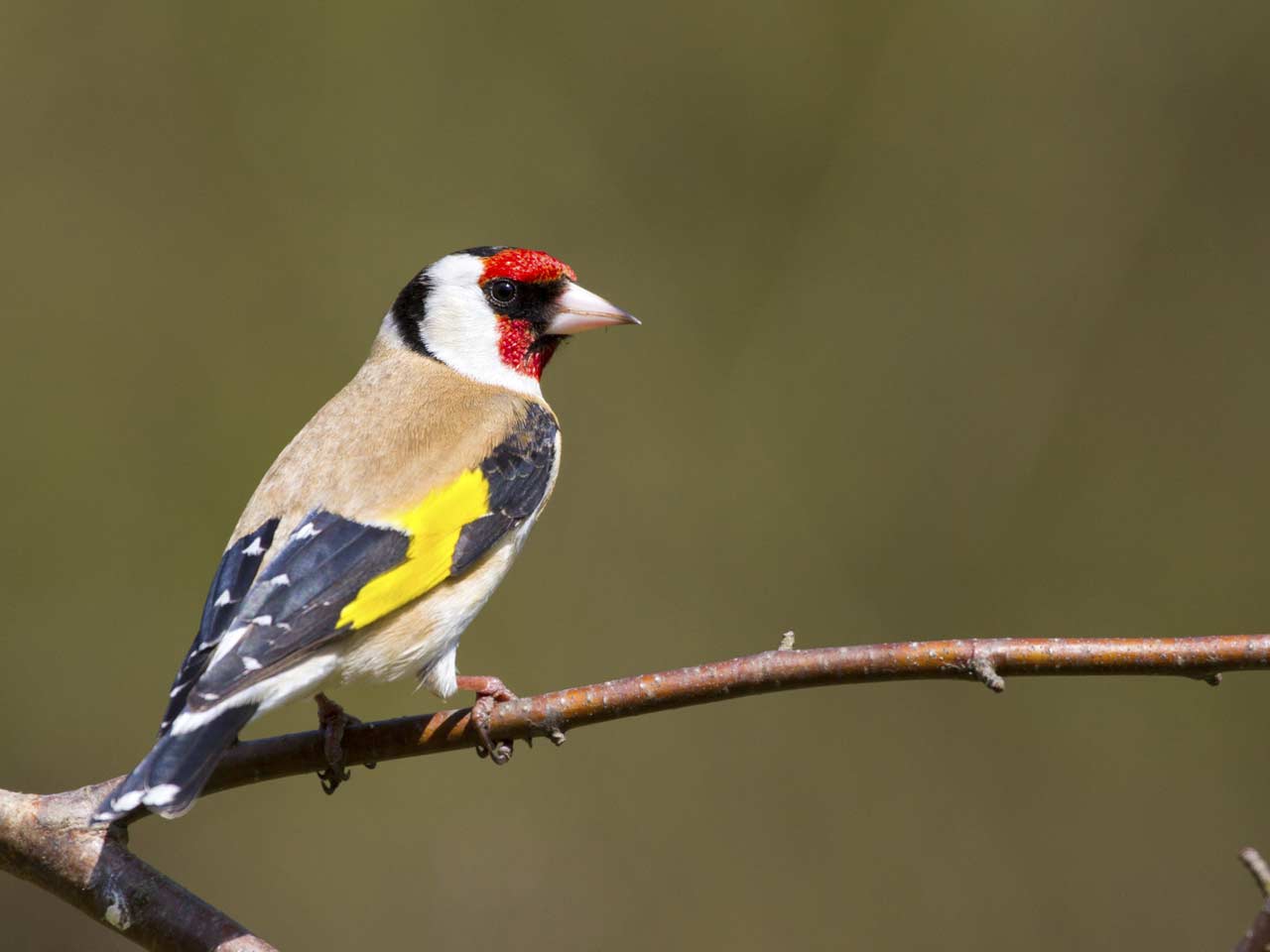
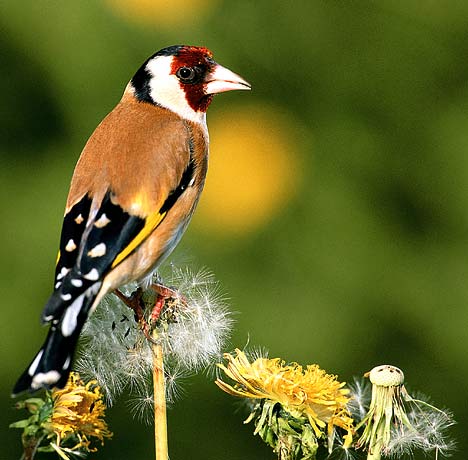
Over Winter, birds can sometimes struggle for food and resources due to frozen conditions. It’s always a good idea to give our feathered friends a helping hand in the colder months by keeping them well fed and hydrated, by leaving out some of their favourites and making sure they have plenty of drinking water.
Winter troubles: helping your garden birds
Winter can be a time a sheer hardship; a time, unlike periods of good harvest, when birds struggle to survive in the harsh realities of cold winter months; frost alone, causing ground to harden and become mostly inaccessible to many birds seeking grubs, caterpillars and worms, can be the tolling death knell for many a wild bird.
By providing an alternative source of sustenance in your gardens, many thousands of birds all around the UK will be helped throughout these incredibly tough times. A little helping hand, they say, goes a long way, and this applies more than anything to our garden birds.
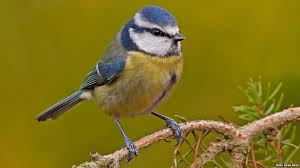
It is a curious fact that our beloved Blue tit, in certain studies, was shown to have increased the time it spends searching for food in winter considerably; in fact, approximately 75% of daylight hours are spend in the search for food.
Handy winter tips for helping your garden birds
If there’s a consistent and regular supply of nutritious food in your garden, the birds will come. This rule generally applies for most key periods of the year, like the breeding season, but can be particularly relevant over winter.
Here are our top five winter tips to ensure your garden birds have the best chance of journeying through winter without harm.
Use a good quality seed mix. These generally have less filler, such as cereal content, which many cheaper varieties contain, and are usually created to cater for a range of dietary requirements.
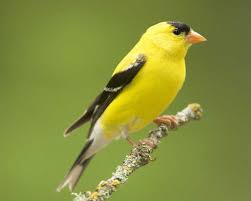
Since it is possible for the ground to harden due to frost, use live mealworms as an alternative to earthworms and caterpillars. This natural food is ideal for Blue tits, Robins, Blackbirds and a variety of finches.
Use an instant-energy fix food such as suet balls, cakes and pellets. These are packed with nutritional goodness, and are often blended with peanuts, mealworm and fruit.
Ensure your birds have plenty of available water in dishes and bird baths. During this time, the water may freeze so use a ping pong ball to prevent some freezing. The ping pong ball can move around in the wind, disturb the water, and prevent it from freezing.
And finally, if you have any leftovers from Christmas, such as a few crumbs of cake, a bit of animal fat, cheese or pastry, these will go down a treat.
Look out for birds in the morning, and be mindful that this is an important time for feeding, as during the night birds attempt to replenish their lost energy and are often hungry in the morning. This is then followed in the evening by a flurry of feeding activity, as birds prepare for the long winter night ahead.
Posted on January 5, 2018 by Serbian Animals Voice (SAV)
The Trump administration just pledged to open up 90 percent of America’s offshore areas to development as part of its new five-year plan for oil and gas drilling.
A reversal of President Obama’s offshore drilling ban,
this disastrous proposal threatens marine life and coastal communities and contributes to the ever-growing dangers of climate change.
Tell U.S. Department of the Interior Secretary Ryan Zinke to start putting the public good before polluter profits and protect our fragile coastal waters.
The Trump administration’s argument for coal only makes sense if you know nothing about how the electrical grid works. Watch this, and you’ll know more than they do.
Posted on January 5, 2018 by Serbian Animals Voice (SAV)
SAV comment
So the wonders at Coke have been working hard on a new sustainability plan. Their thoughts or have they been forced to do this ? – they have never given a **** about their products and the environment before – up till now just how much money they can make out of sponsoring large sports events and the rest. Are things going to change or are they still going to be a top polluter ?
Every year Coca-Cola are producing more and more throwaway plastic bottles – an estimated 110 billion last year alone.
Hi Mark,
It’s a new year – and over at Coke’s global HQ in Atlanta, their team are working hard to finalise the details of a new sustainability plan.
We need to take this opportunity to show Coca-Cola’s executives how many of us want them to take action on their plastic pollution.
You’re one of 522,000 people around the world who have signed the petition so far – please will you ask your friends to sign too?
Greenpeace supporters in India are the latest to join the call for Coca-Cola to cut their plastic pollution.
Coke aren’t the only company producing plastic bottles – but as the biggest soft drinks producer in the world, they’re in the unique position to take the lead and set new standards for the whole industry.
That’s why from Africa to Australia, Greenpeace supporters like you are calling for Coke’s global CEO to take action now.
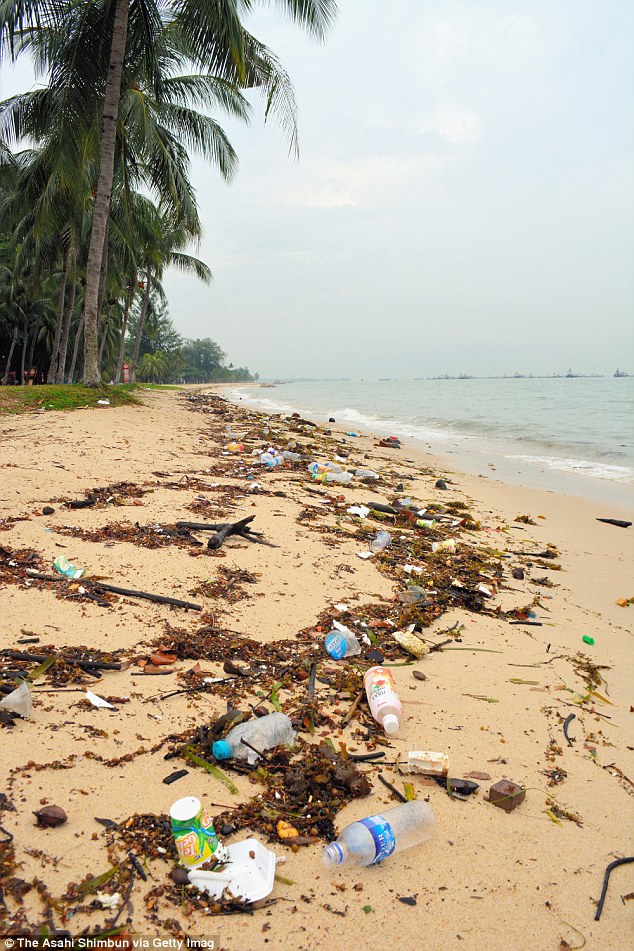
Many of us have seen the impact of plastic pollution on our oceans – whales with stomachs full of plastic, seabirds feeding plastic scraps to their young, or even plastic bottles washing up on our beach holidays.
Every year Coca-Cola are producing more and more throwaway plastic bottles – an estimated 110 billion last year alone.
As Coke’s decision makers debate their new plan for plastics, it’s vital that as many of us as possible add our names – to send a message loud and clear that for the future health of our oceans, Coke must reduce their massive plastic footprint.






















 Serbian Animals Voice (SAV)